Commercial Solar Brisbane: The Complete Guide for Brisbane Businesses in 2026
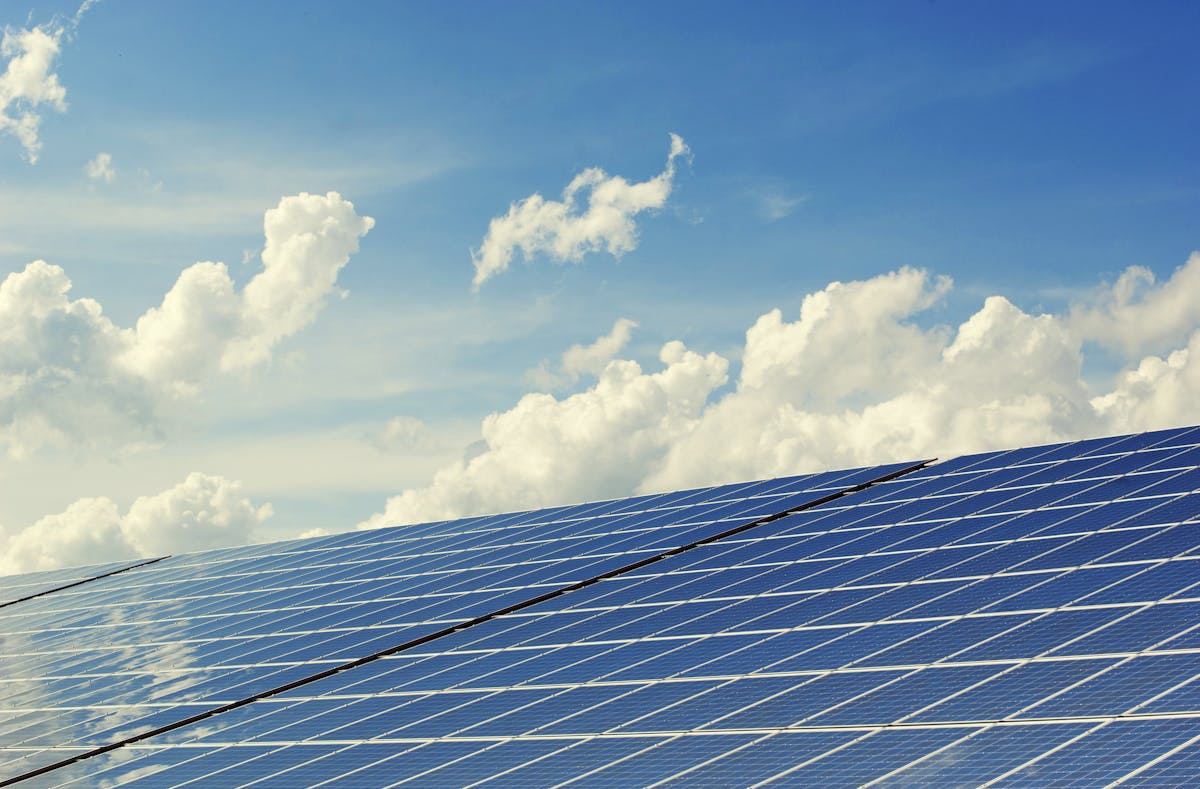
Brisbane businesses are sitting on one of the most valuable and untapped energy assets in the country — their rooftops. With energy prices climbing every year and the Queensland sun shining for most of it, switching to commercial solar in Brisbane is no longer just a green choice. It is a smart business decision that pays for itself, reduces risk, and strengthens your brand in front of customers who care about where their money goes.
This guide covers everything Brisbane business owners need to know — from system sizes and real savings figures, to rebates, financing, and how to pick the right installer.
Why Brisbane Is One of Australia's Best Cities for Commercial Solar
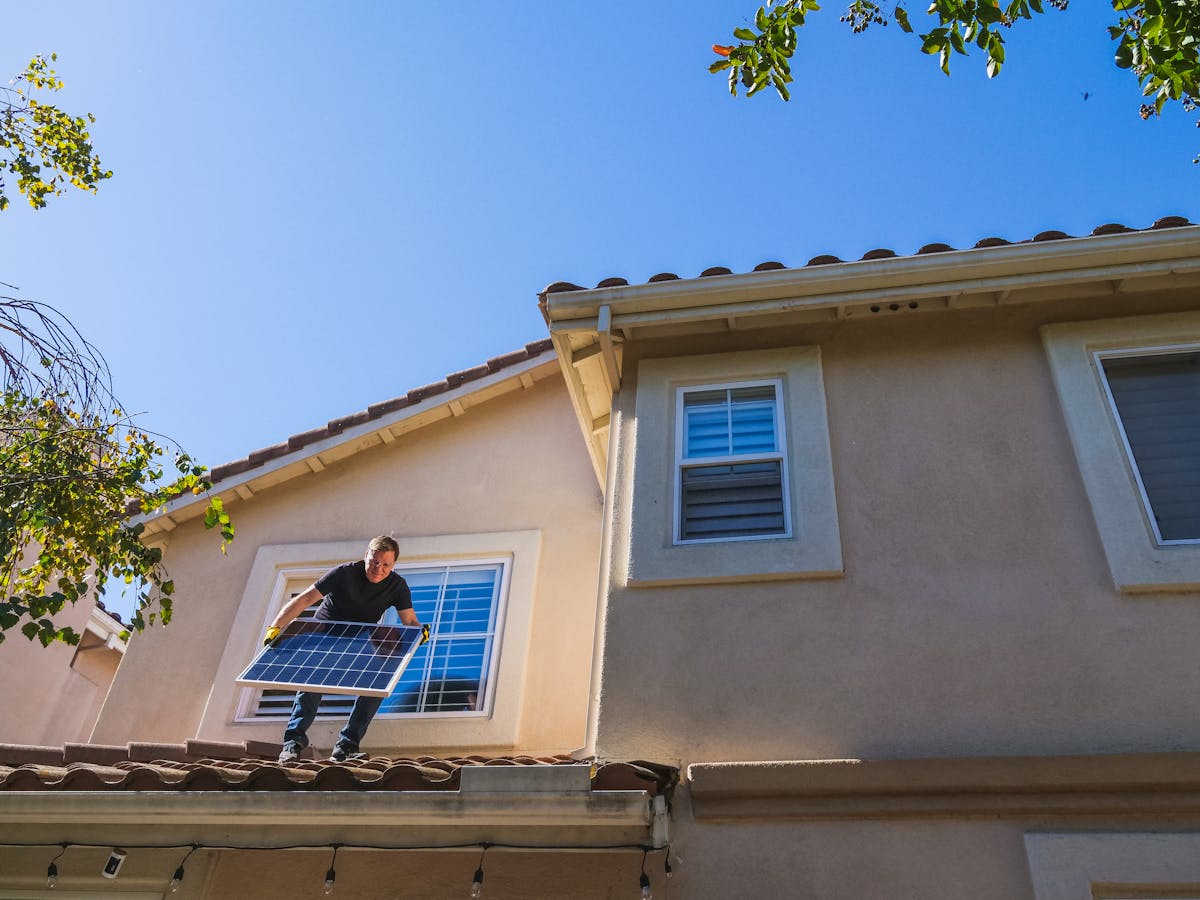
Brisbane sits in one of the sunniest regions in Australia. According to historical irradiance data from the Bureau of Meteorology, a solar PV system installed in Brisbane generates roughly 4.5 kWh of energy per kilowatt of capacity per day on average throughout the year. That is more than most other capital cities, which means every dollar invested in commercial solar power in Brisbane goes further here than it would in Melbourne or Sydney.
Add to that the rising cost of grid electricity, the availability of Queensland solar rebates, and the growing customer preference for businesses that operate sustainably, and the case for going solar becomes almost impossible to ignore.
Whether you run a small office in the CBD, a warehouse in the outer suburbs, or a manufacturing facility on the outskirts of the city, a commercial solar system in Brisbane can be tailored to match your energy profile, roof space, and budget. For context on how solar works in other major markets, see our Solar Calculator USA guide.
What Can Businesses Actually Save with Commercial Solar?

Let's talk real numbers, because that is what most Brisbane business owners want to know before anything else.
Savings from a commercial solar system depend primarily on three things: the size of the system you install, the amount of electricity your business uses during daylight hours, and the rate you currently pay for grid power. Businesses that run most of their operations during the day — think warehouses, factories, retail stores, and offices — tend to see the strongest returns.
Here is a realistic breakdown of what Brisbane businesses can expect:
| System Size | Average Daily Output | Annual Generation | Assumed Rate | Annual Savings (70% self-use) |
|---|---|---|---|---|
| 10kW | 45 kWh | 16,425 kWh | $0.35/kWh | ~$4,271 |
| 39kW | 175 kWh | 64,058 kWh | $0.25/kWh | ~$12,171 |
| 70kW | 315 kWh | 114,975 kWh | $0.21/kWh | ~$18,626 |
| 100kW | 450 kWh | 164,250 kWh | $0.17/kWh | ~$22,010 |
| 500kW | 2,250 kWh | 821,250 kWh | $0.14/kWh | ~$92,801 |
These figures assume a feed-in tariff of around 5 cents per kWh and 70% self-consumption of the solar energy generated. Many Brisbane businesses see savings between 60% and 80% on their power bills, which over a 25-year panel lifespan adds up to a genuinely life-changing amount of money.
Use our Monthly Savings Calculator to project your own business's expected returns.
How Much Does Commercial Solar Cost in Brisbane?

Commercial solar panels Brisbane cost has dropped significantly over the past decade. In fact, the cost of a fully installed commercial solar system in Australia has fallen by roughly 40% over the last five years, driven by improvements in panel efficiency and much larger production volumes globally.
Here is a current pricing guide for Brisbane:
| System Size | Average Installed Price (Brisbane) |
|---|---|
| 10kW | ~$11,130 |
| 30kW | ~$28,400 |
| 50kW | ~$50,290 |
| 70kW | ~$68,470 |
| 100kW | ~$85,740 |
These prices include all parts, labour, GST, and the federal government rebate through Small-scale Technology Certificates (STCs). Prices may vary based on your roof type, building height, switchboard condition, and any trenching or infrastructure upgrades required.
It is worth noting that rebates will continue to scale back annually and are scheduled to phase out in 2030, so the sooner a business acts, the better the deal they can lock in. See our Solar Panel Cost 2026 guide for current pricing trends.
Commercial Solar Rebates and Incentives in Brisbane
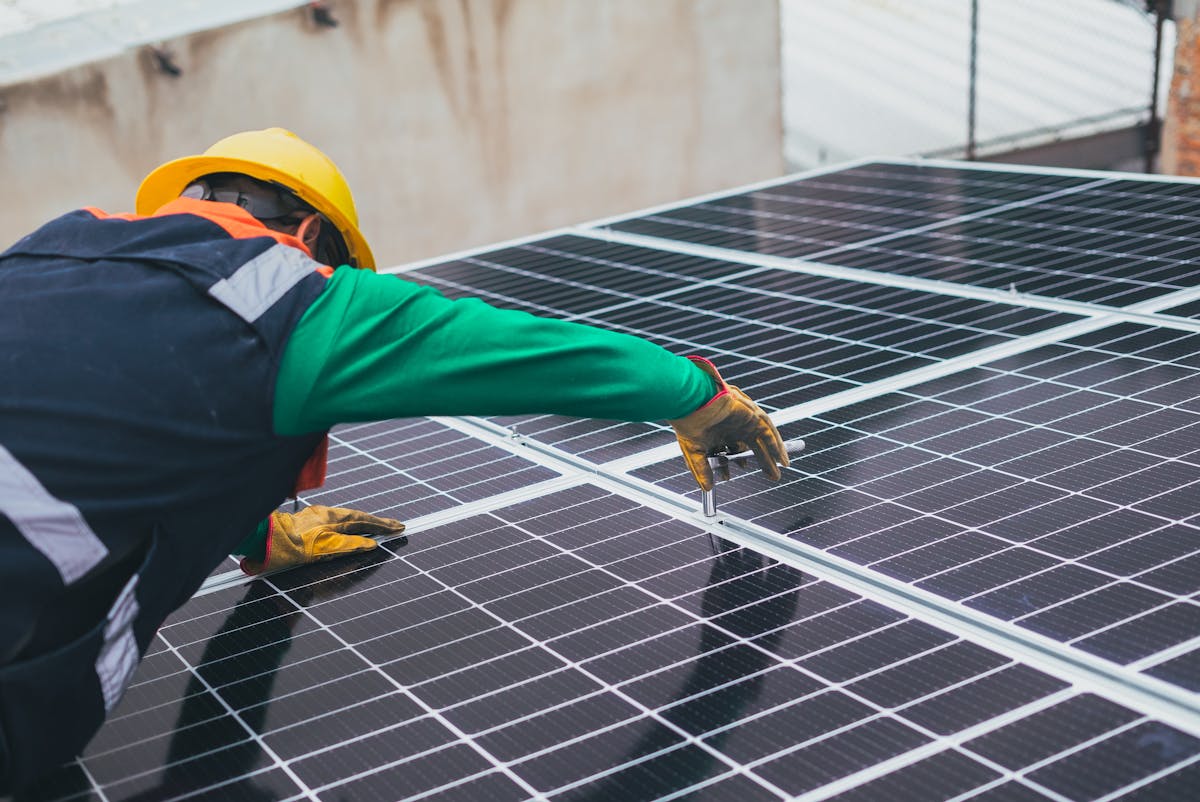
One of the most common questions Brisbane business owners ask is: are there government incentives available? The short answer is yes — and they are worth understanding properly.
Small-scale Technology Certificates (STCs)
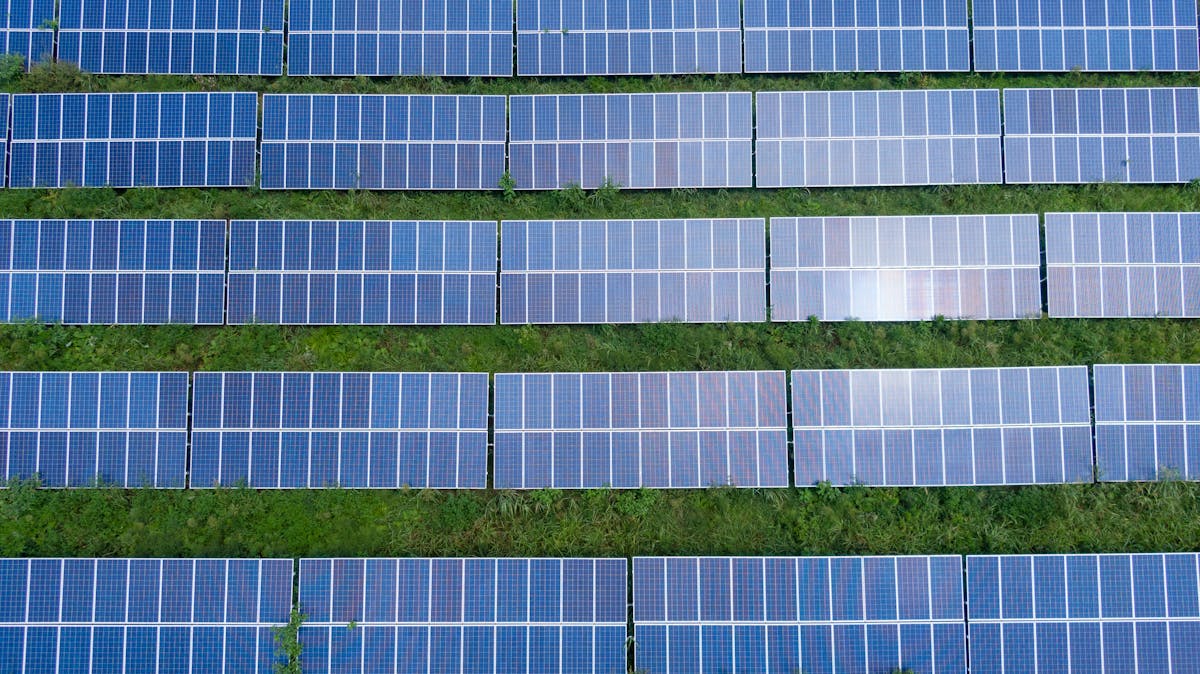
For systems under 100kW, businesses can claim STCs under the federal government's Small-scale Renewable Energy Scheme. The number of certificates depends on system size, location, and the year of installation. Most reputable commercial solar companies in Brisbane factor this rebate directly into their quoted price, so the number you see is already discounted.
Commercial Solar Tax Incentives Brisbane
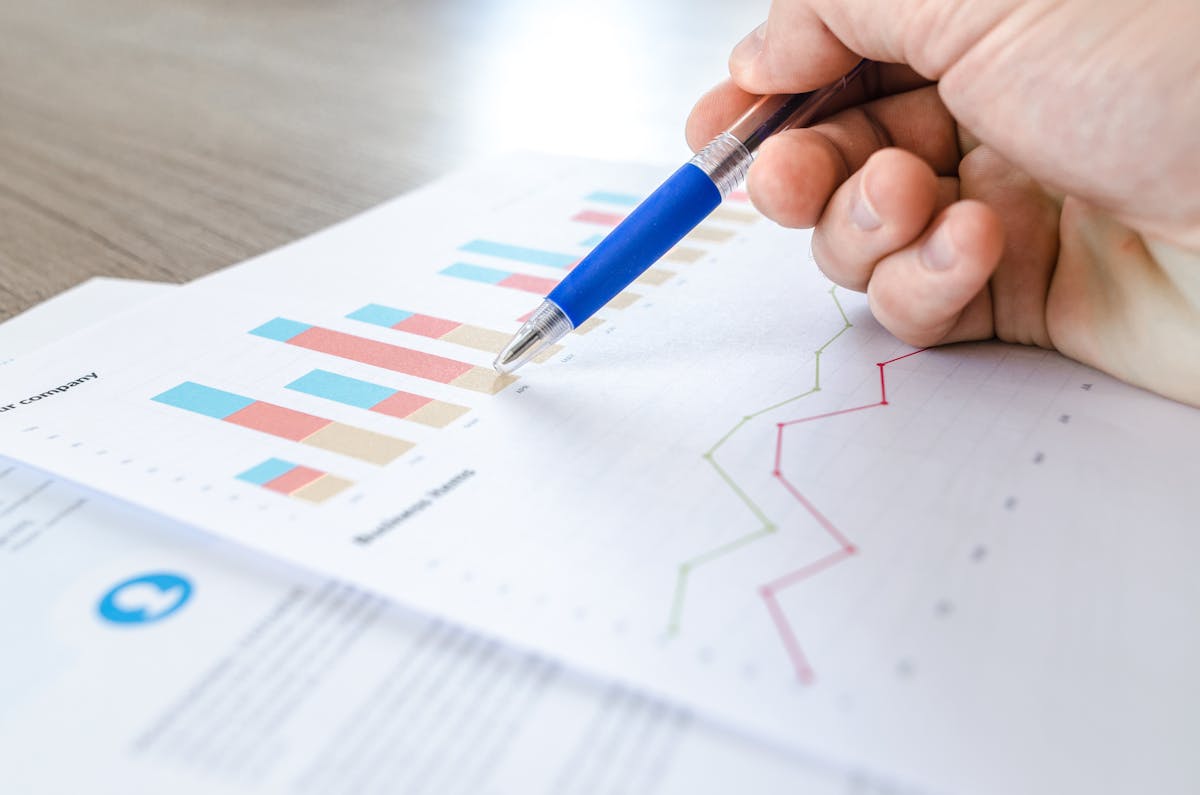
Beyond STCs, businesses can take advantage of the instant asset write-off provisions and depreciation rules under Australian tax law. These commercial solar tax incentives can significantly reduce the effective upfront cost, particularly for small and medium businesses. Speak with your accountant alongside a solar consultant to understand how these apply to your specific situation.
Commercial Solar Grants Brisbane

From time to time, both the Queensland state government and the federal government offer commercial solar grants and co-funding programs for businesses investing in renewable energy. Programs like the Queensland Renewable Energy and Hydrogen Jobs Fund have supported commercial energy upgrades in recent years. It is always worth checking current offers through the Queensland Government's business energy website before signing any solar contract.
The Real Return on Investment for Commercial Solar in Brisbane

Commercial solar financing Brisbane options and the financial return on investment are two of the most important factors to work through before committing to a system.
Factors That Shape Your ROI
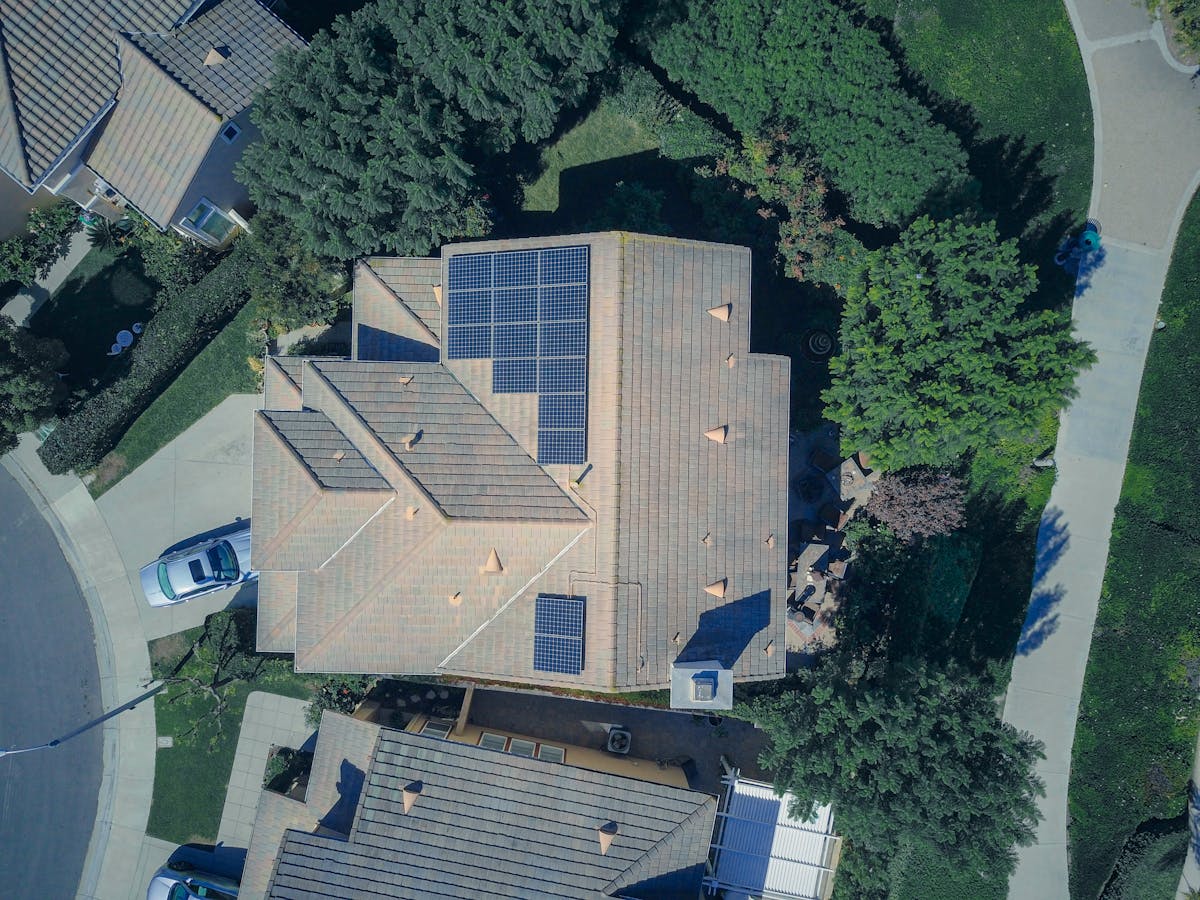
Energy use patterns make a big difference. Businesses that consume most of their electricity during daylight hours — especially if they operate seven days a week — get the most out of a solar system without needing battery storage. Factories, warehouses, supermarkets, and hospitality venues are classic examples of strong solar candidates.
Your current electricity rate matters too. Large commercial users who have negotiated very low wholesale rates sometimes find the payback period is longer than for a small or medium business paying standard commercial tariffs. The best ROIs are often seen on systems between 50kW and 100kW, where the STC rebate still applies and the electricity rate is still high enough to make solar genuinely valuable.
Infrastructure costs can affect the total. Sometimes additional costs come from switchboard upgrades, non-penetrative roofing requirements, or the need for a crane on taller buildings. A good installer will flag these upfront rather than surprise you midway through the project.
Getting a competitive deal is perhaps the most underrated factor. It is strongly recommended that Brisbane businesses get at least three commercial solar quotes from qualified, licensed installers before making a decision. Never choose on price alone — panel brand, inverter quality, warranty terms, and installer experience all affect whether your system performs well a decade from now. Use our Is Solar Worth It guide to stress-test the numbers.
Connecting to the Grid: Energex and Ergon in Brisbane
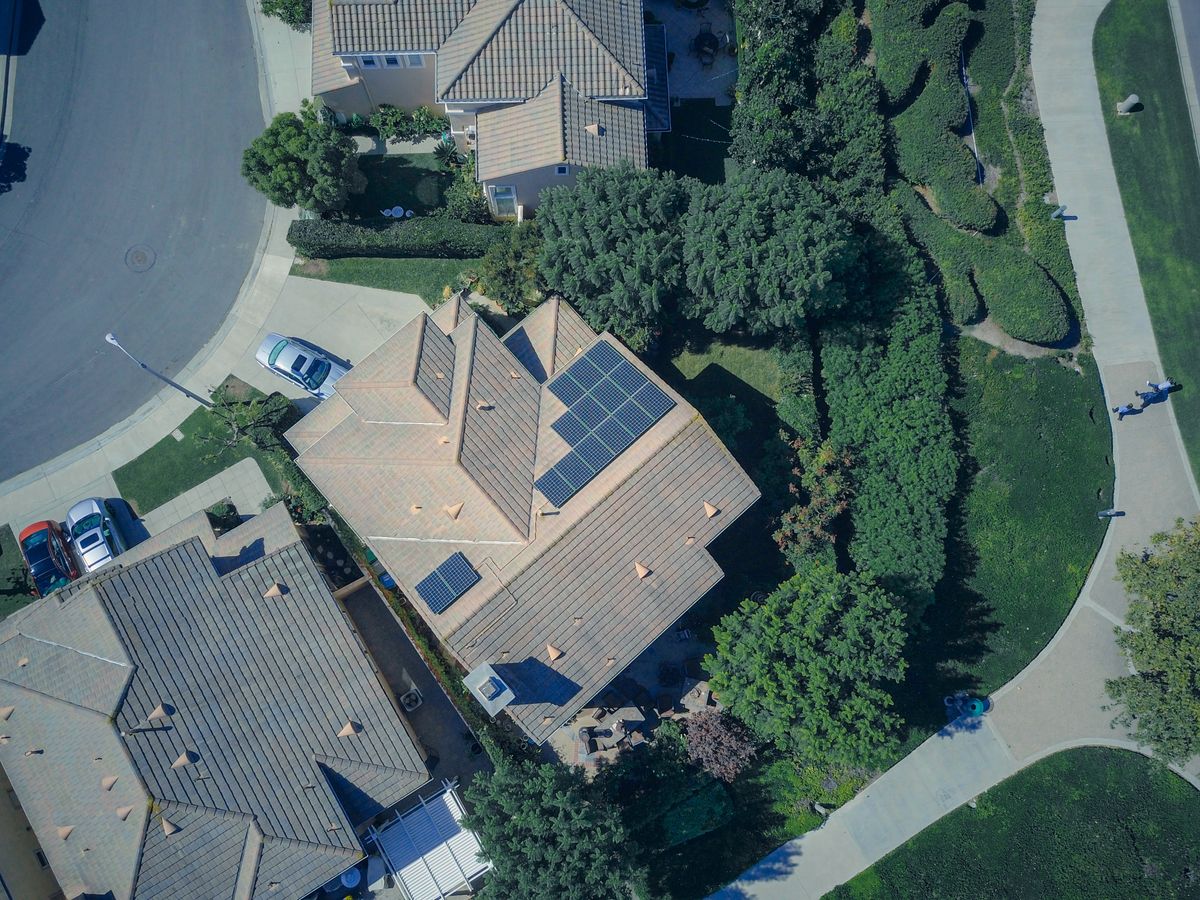
All commercial solar systems in Brisbane connect to the grid through either Energex or Ergon, the two network operators in Queensland. The process differs depending on your system size.
Systems Under 30kVA (Inverter Capacity)
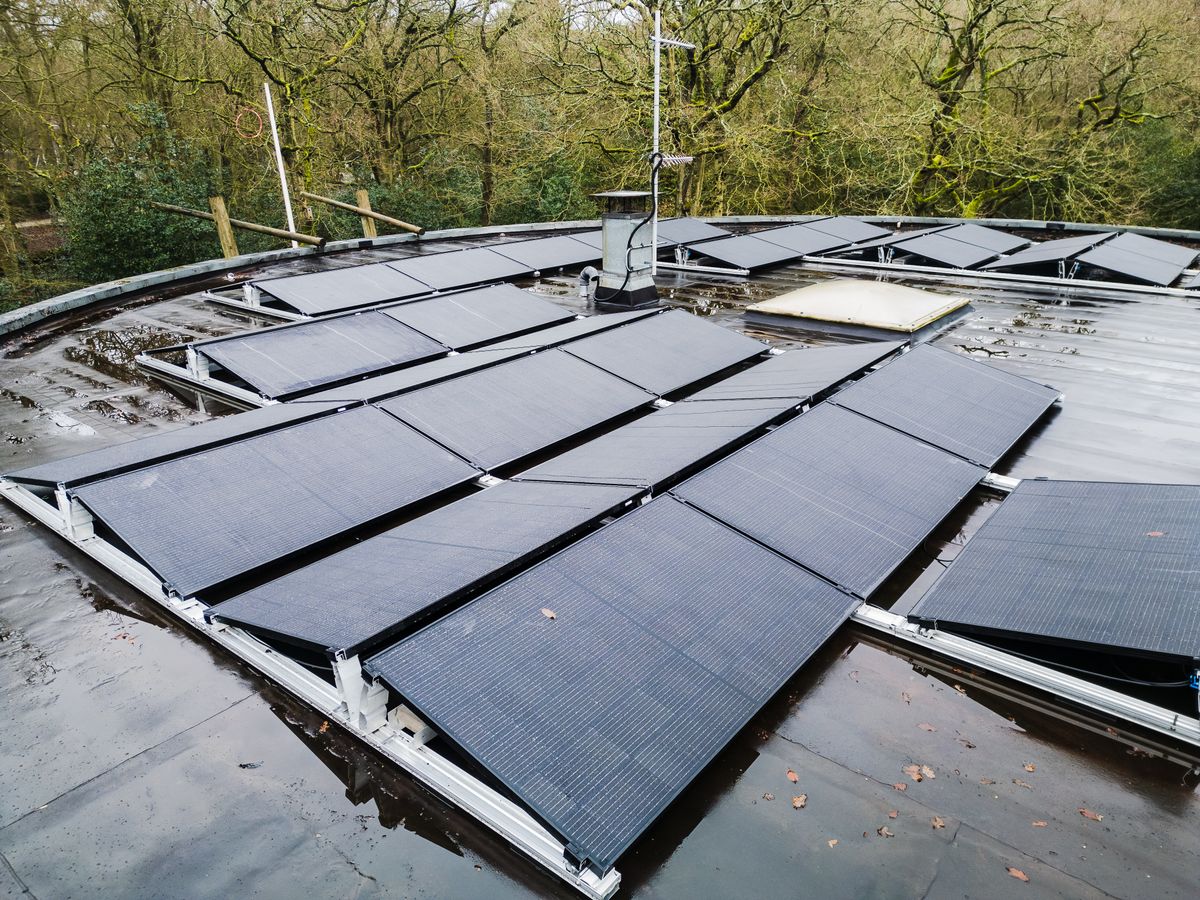
For smaller commercial solar installations in Brisbane, the application process is relatively streamlined. Systems with up to 30kVA of inverter capacity — which allows panel capacity of up to 39.9kW — follow a faster approval path. A qualified installer can manage this process on your behalf. Based on typical experience, allow around 10 business days to receive an invitation to connect.
Systems Over 30kVA
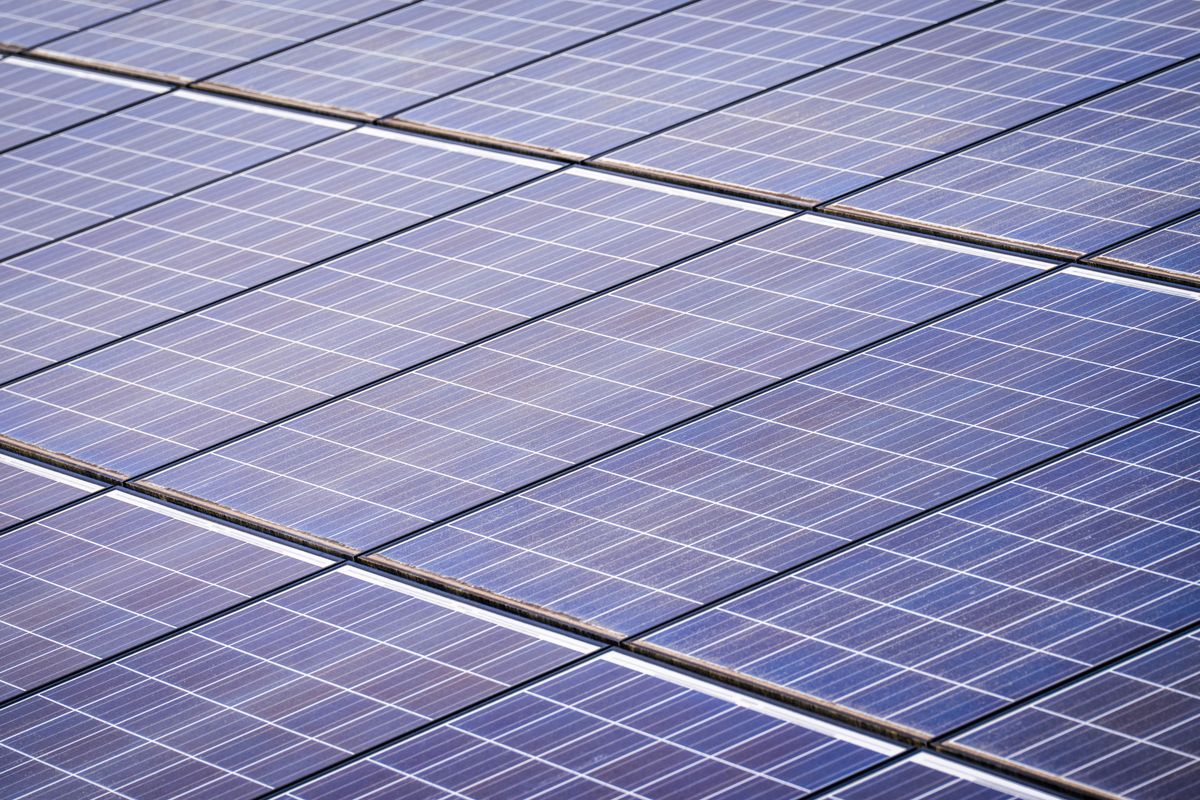
Larger systems involve an additional requirement: a Grid Protection Unit (GPU), which helps Energex and Ergon manage voltage across their networks. For very large systems, SCADA requirements or export limitations may also apply. These are assessed case by case. Allow four to eight weeks for approval on large commercial projects.
Battery Storage for Commercial Solar in Brisbane
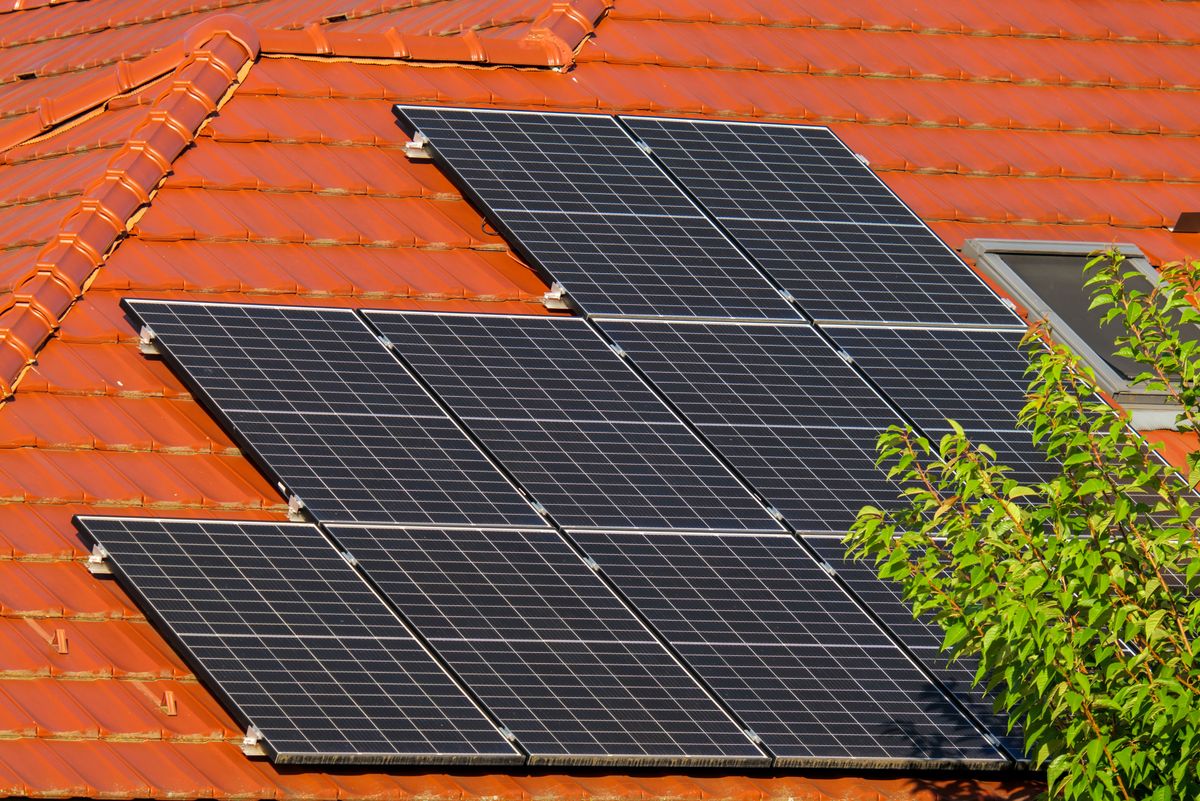
Commercial solar battery storage Brisbane is becoming an increasingly popular add-on, though it is still more expensive than panels alone and does not suit every business profile.
Businesses that would benefit most from battery systems are those that have significant electricity usage in the evening — hospitality venues, healthcare facilities, or any operation running extended hours past sunset. Best commercial solar battery systems Brisbane options currently include lithium-ion systems from manufacturers like Tesla, BYD, and Sungrow, with capacity ranging from small 10kWh units for small businesses up to large-scale commercial solar battery backup systems measured in hundreds of kilowatt-hours.
The key financial consideration is this: batteries extend the time you are running on your own solar energy rather than drawing from the grid, which increases your overall savings. But the payback period for storage is currently longer than for panels alone. For most businesses, the priority should be getting the panel system right first, then reviewing battery options as prices continue to fall. Read our comprehensive Battery Storage Guide for detailed analysis.
Industries That Benefit Most from Commercial Solar in Brisbane
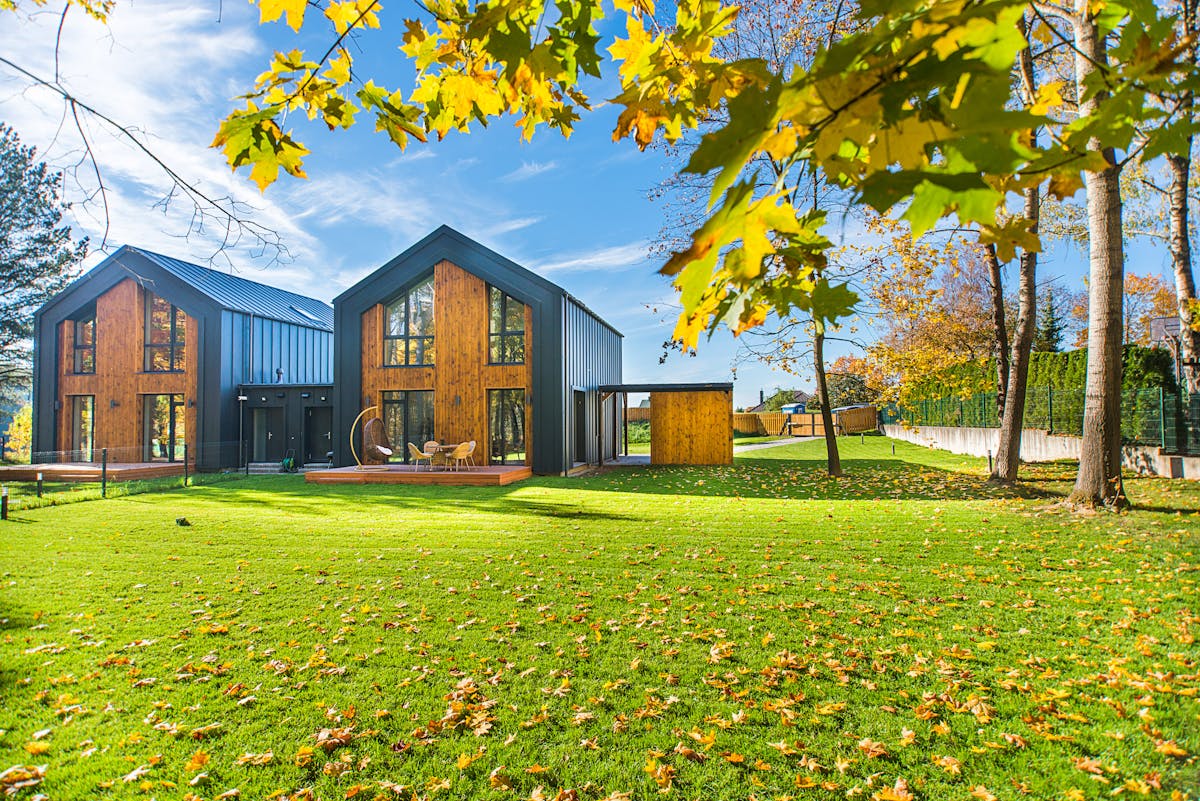
Commercial solar for warehouses in Brisbane is one of the strongest use cases in the city. Large roof areas, daytime operations, and high energy consumption from forklifts, refrigeration, and lighting make warehouses near-perfect solar candidates.
Commercial solar for offices in Brisbane also delivers strong results — particularly multi-storey buildings with significant air conditioning loads during Queensland's hot summers.
Beyond these, the following industries consistently see strong results from commercial solar energy systems in Brisbane:
- Manufacturing and industrial facilities — high daytime energy consumption, large roof space, strong ROI
- Retail stores and shopping centres — consistent daytime trading hours align perfectly with solar generation
- Hospitality venues — kitchens, refrigeration, and air conditioning run heavily during the day
- Schools and educational facilities — daytime operations and Queensland government sustainability goals make solar a natural fit
- Healthcare facilities — constant energy demand, energy independence becomes a resilience benefit
- Agricultural operations — irrigation pumps, cool rooms, and processing equipment can run directly on solar
Each of these sectors can work with local commercial solar contractors in Brisbane to design a system that matches their specific energy profile rather than a one-size-fits-all approach.
Commercial Solar Maintenance in Brisbane: Keeping Your System Running
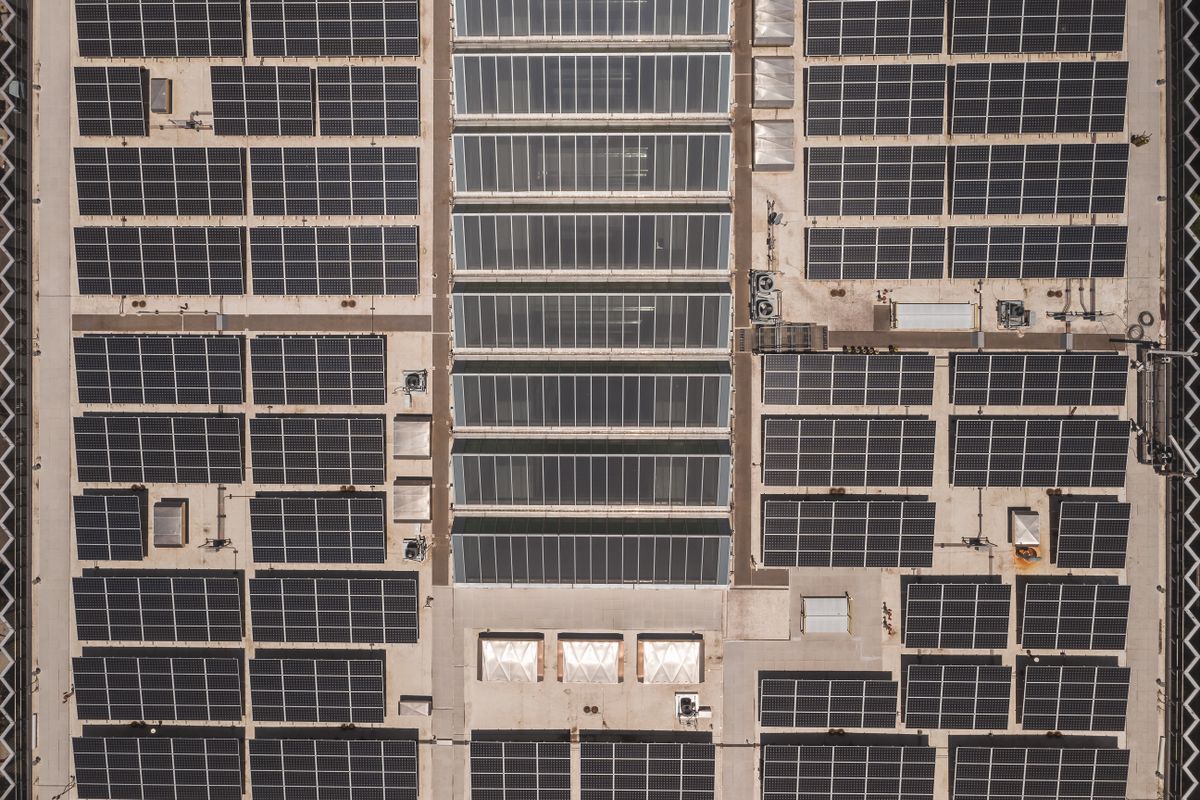
A well-installed solar system requires minimal ongoing attention — there are no moving parts, which is one of the main reasons operating costs stay low. That said, commercial solar maintenance in Brisbane is not something to skip entirely.
Commercial solar panel cleaning in Brisbane is particularly important given Brisbane's mix of summer storms, dust, and bird activity. A dirty panel surface can reduce output by anywhere from 5% to 25% depending on how heavily soiled the panels become. Most commercial operators schedule panel cleaning one to two times per year as part of a broader maintenance program.
In addition to cleaning, regular maintenance typically includes:
- Inverter performance checks and firmware updates
- String voltage and current testing to identify underperforming panels
- Roof penetration and mounting bracket inspections
- Safety switch and switchboard checks
Good-quality commercial solar panels typically last 25 to 30 years. The inverter may need replacement after 10 to 15 years. With regular check-ups from qualified Brisbane commercial electricians or a dedicated maintenance provider, the system should keep generating strong returns throughout its lifespan. For more maintenance tips, see our Solar Maintenance Guide.
How to Choose a Commercial Solar Company in Brisbane

Knowing how to choose a commercial solar company in Brisbane is one of the most important steps in the process — and one that too many businesses rush.
Here is a practical checklist:
1. Check their accreditation. Make sure any installer you consider is Clean Energy Council (CEC) accredited. This is the baseline standard for qualified solar work in Australia.
2. Ask about their commercial experience specifically. Residential and commercial solar installations are very different in terms of system design, grid connection requirements, and workplace safety obligations. Look for commercial solar panel installers near Brisbane who have a clear track record on commercial projects, not just homes.
3. Request detailed quotes with line items. A trustworthy quote will break down panel brand and model, inverter brand, mounting system, labour, grid connection costs, and warranty terms. Anything vague should prompt further questions.
4. Get at least three quotes. This is not just about finding the lowest price — it is about understanding the range of approaches, product choices, and service commitments available. Comparing commercial solar quotes in Brisbane from multiple providers gives you far more confidence in your final decision.
5. Check warranties carefully. The best commercial solar installers in Brisbane offer strong product warranties (25 years on panels is industry standard) and workmanship warranties covering the installation itself.
6. Look for local knowledge. A provider with deep experience in the Brisbane and Queensland market will understand Energex and Ergon grid connection processes, local council requirements, and the specific challenges of Queensland weather on solar installations.
7. Ask for references. Any credible commercial solar provider in Brisbane should be able to point you to businesses of similar size and industry that they have installed systems for. Follow up with those references and ask direct questions about the installation experience and ongoing performance.
Commercial Solar Financing Options in Brisbane
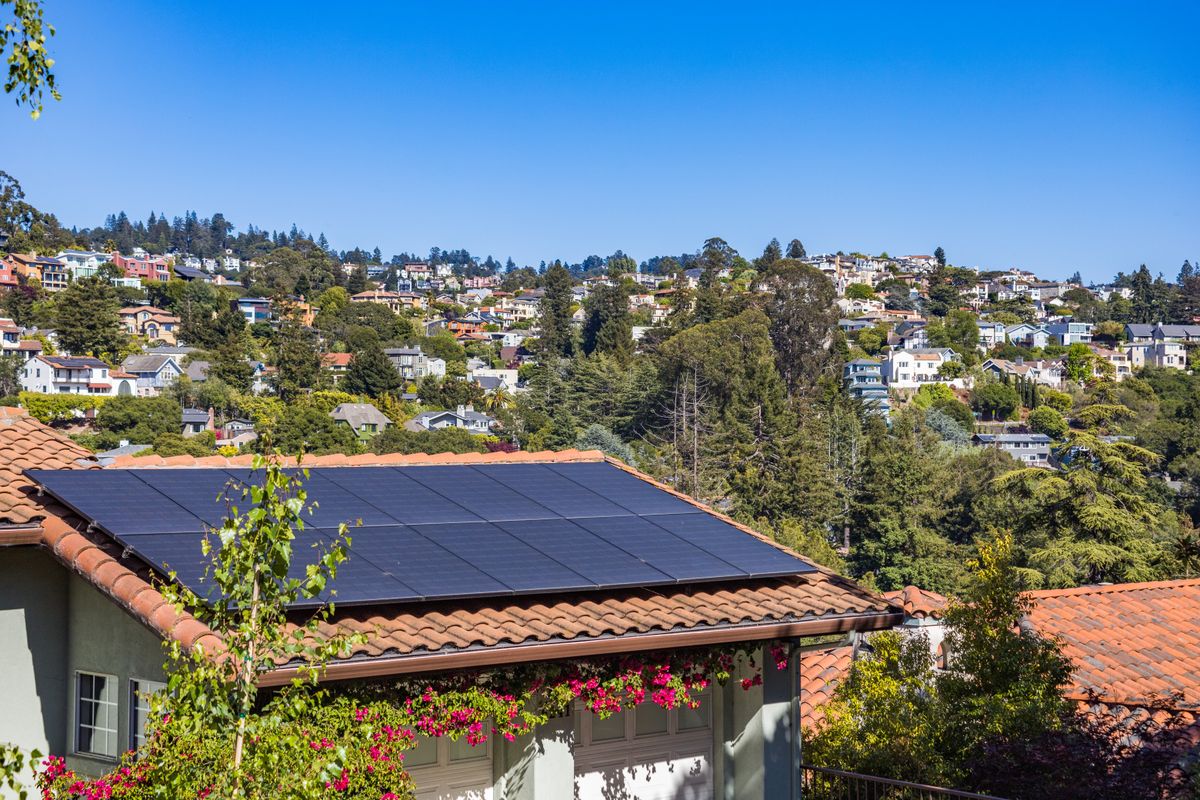
Upfront cost is still the biggest barrier for many businesses considering solar, but commercial solar financing in Brisbane has become far more flexible than it was even five years ago.
Options currently available to Brisbane businesses include:
Equipment loans and asset finance — Many banks and specialist lenders offer low-interest loans for solar systems that can be structured so the monthly repayment is less than the monthly energy savings, making the system cash-flow positive from day one.
Power Purchase Agreements (PPAs) — Under a PPA, a third party owns and installs the solar system on your roof, and you agree to buy the solar electricity it generates at a fixed rate below what you currently pay the grid. There is typically no upfront cost. The trade-off is that you do not own the system, so you do not benefit from government rebates directly.
Leasing arrangements — Similar to a PPA but structured as a lease on the equipment rather than a power purchase agreement.
Government grants and co-funding — As mentioned earlier, various commercial solar grants and funding programs are available at both state and federal levels.
A qualified solar consultant can help Brisbane businesses model these options against their energy bill and tax situation to find the most cost-effective path forward. Compare financing scenarios using our Monthly Savings Calculator.
How to Install Commercial Solar Panels in Brisbane: The Process
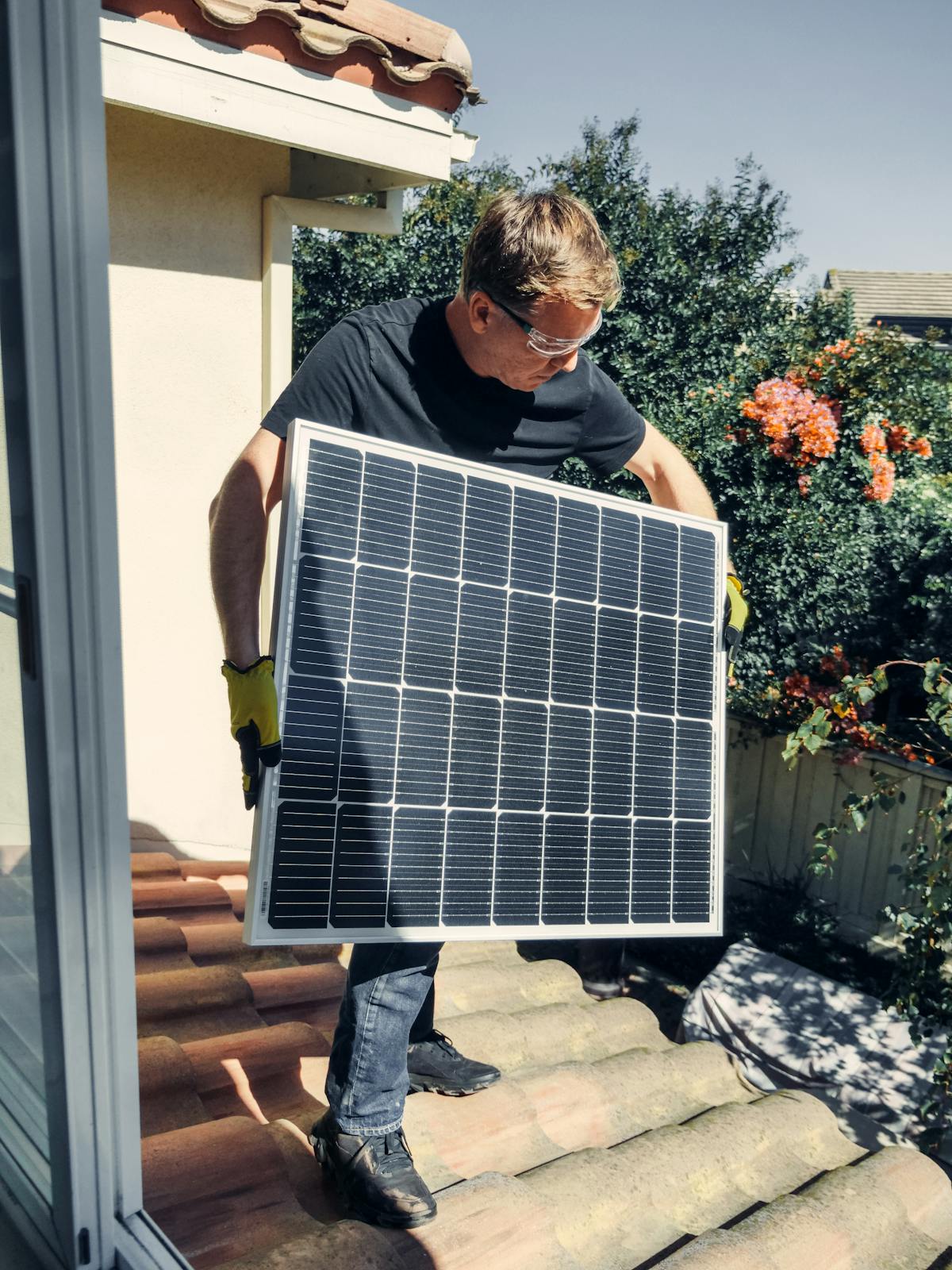
Knowing how to install commercial solar panels in Brisbane — or at least understanding what the process involves — helps business owners set realistic expectations and ask the right questions.
The typical process for a commercial solar installation in Brisbane looks like this:
Step 1 — Energy assessment and site survey
A qualified solar engineer reviews your energy bills, assesses your roof and electrical infrastructure, and models the optimal system size. This is where system design happens before a single product is specified.
Step 2 — Proposal and comparison
You receive a detailed proposal, ideally alongside quotes from multiple installers. This is the stage to compare panel brands, inverter options, warranties, and total installed cost.
Step 3 — Contract and approvals
Once you accept a proposal, your installer manages the network connection application with Energex or Ergon. For systems under 30kVA, this takes around 10 business days. Larger systems may take four to eight weeks.
Step 4 — Installation
For most small to medium commercial systems, the physical installation takes two to three weeks. Larger projects may take longer, particularly if infrastructure upgrades are required.
Step 5 — Commissioning and monitoring
Once installed, the system is tested, commissioned, and handed over. Most modern commercial solar energy systems include remote monitoring so you can track generation, consumption, and savings in real time. Learn more about system tracking with our Smart Monitoring Solutions guide.
Step 6 — Ongoing maintenance
As covered above, regular maintenance protects performance and ensures the system delivers strong returns for its full working life.
Why Sustainability Is Now a Business Requirement, Not Just a PR Choice

There is a broader reason why so many Brisbane businesses are moving to commercial solar power beyond just the financial case: sustainability has become a genuine business requirement.
ESG (Environmental, Social and Governance) reporting is now standard for many mid-sized and larger companies. Investors, procurement teams, and corporate customers increasingly ask for evidence of carbon footprint reduction and commitment to green business energy practices before they sign contracts or partnerships.
For small businesses, the pressure is slightly different but equally real. Customers notice. A café, a retail store, or a trade services business that can genuinely say it runs on clean solar energy has a meaningful differentiator. Eco-friendly business credentials build loyalty and trust in a way that advertising rarely can.
Going solar is one of the most visible and verifiable steps a business can take toward sustainable commercial buildings and energy independence. Unlike carbon offsets or vague sustainability pledges, a solar system on your roof is tangible evidence that your commitment to renewable energy is real. Read our Elon Musk Solar Energy Warning article for broader perspective on the renewable energy transition.
Commercial Solar Comparison: Choosing the Right System for Your Business
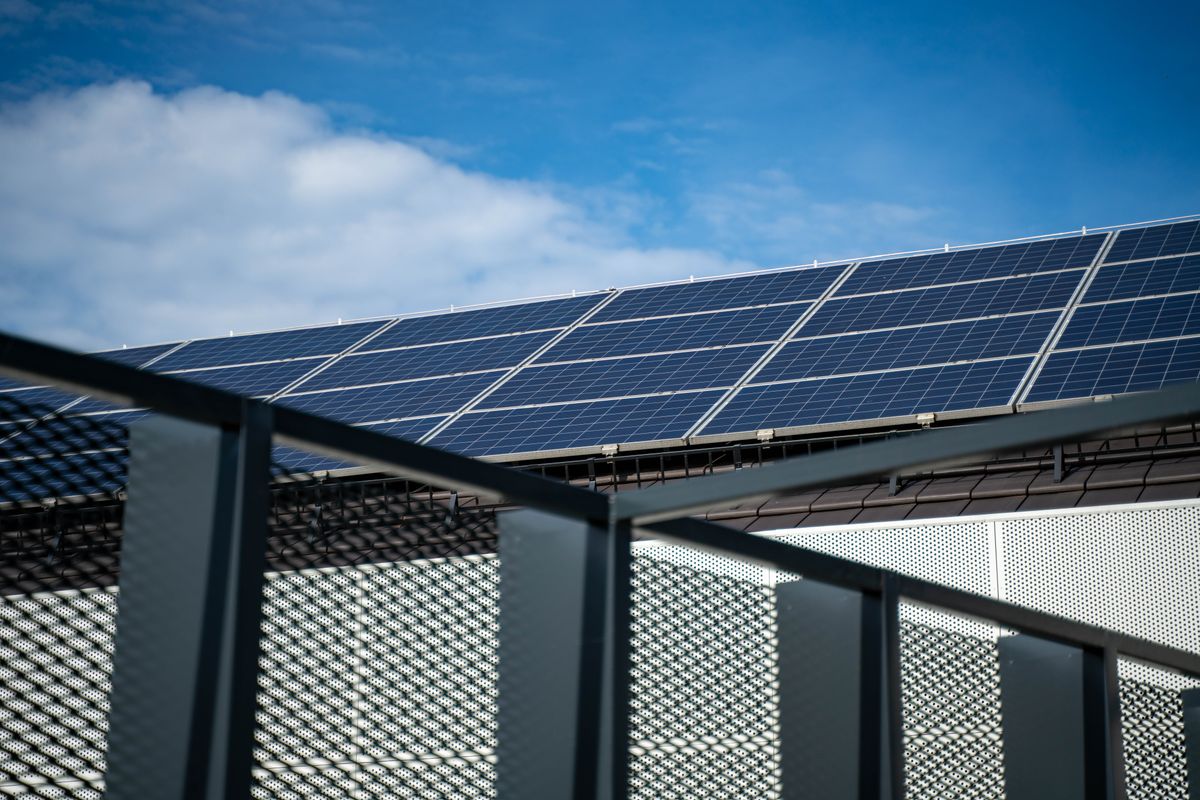
When it comes to commercial solar comparison in Brisbane, there is no single right answer. The best system for a 500sqm office is very different from the best system for a 5,000sqm cold storage warehouse.
The key variables to compare across quotes and system proposals include:
Panel efficiency — Higher efficiency panels generate more power per square metre of roof space, which matters when roof area is limited. Look for high efficiency commercial solar panels from established brands with strong Australian warranty support.
Inverter quality — The inverter converts the DC power your panels generate into usable AC electricity. It is arguably the most important piece of hardware in the system. String inverters are common and cost-effective for medium-sized systems; microinverters or power optimisers suit rooftops with shading or multiple orientations.
Battery storage — Evaluate whether commercial solar battery storage makes sense for your usage profile. If you use most of your power at night, it might be worth the premium. If you are a daytime-heavy business, panels alone may give you the best ROI.
Monitoring and reporting — Good smart energy management tools let you track your savings, spot performance issues early, and report on your electricity cost reduction progress to stakeholders.
Installer experience and support — The cheapest quote rarely delivers the best outcome. Commercial solar solutions in Brisbane that include strong after-sales support, clear maintenance contracts, and responsive service teams are worth paying a modest premium for.
Getting a Commercial Solar Quote in Brisbane

Getting a commercial solar quote in Brisbane is the practical first step that turns this from research into action.
A good solar consultation should not feel like a hard sales pitch. It should feel like a conversation where the consultant asks more questions than you do — about your energy use, your roof, your operating hours, your financing preferences, and your sustainability goals. From that, they build a system design and financial model tailored to your business.
Before your consultation, it helps to have on hand:
- Your last 12 months of electricity bills
- Your roof type and approximate available area
- Your typical operating hours
- Any plans to expand or significantly change energy use in the coming years
From there, a qualified Brisbane solar expert can put together a business case that shows you the system size, expected output, annual savings, payback period, and total return over the life of the system. This is the document you need to make an informed decision. For solar angle optimisation, also refer to our Solar Panel Angle Calculator.
The most important advice for any Brisbane business considering solar is this: do not focus only on the upfront cost.
A slightly more expensive system with better panels, a stronger inverter, and a more experienced installer will almost always outperform a cheap quote over a 10 to 25-year lifespan. The difference in annual generation between a well-designed and a poorly-designed system of the same nominal size can be 10% to 20%.
Over 20 years, that is a significant sum of money — often exceeding the initial price difference several times over.
Buy on value, not just price. Understand your energy profile. Verify the installer's commercial credentials. And get at least three quotes.
Do those four things and commercial solar in Brisbane becomes one of the most reliable and high-returning investments your business can make.
Frequently Asked Questions About Commercial Solar in Brisbane
How commercial solar works for businesses
Commercial solar works by installing photovoltaic panels on your roof or available structure, which capture sunlight and convert it into electricity. That electricity feeds directly into your building, reducing the amount you need to buy from the grid. Any surplus can be exported to the grid for a feed-in tariff credit, or stored in batteries if you have them installed. The system runs automatically and silently, with monitoring software tracking performance in real time.
What is the solar system payback period for Brisbane businesses?
The payback period depends on system size, energy rate, and how much of the solar output you self-consume. For many Brisbane businesses, payback falls between four and seven years on a system with a 25-year-plus lifespan. That means the majority of the system's working life is pure commercial solar electricity savings with no significant costs.
What is the difference between commercial and residential solar?
Commercial systems are larger, require more complex grid connection approvals, involve different safety standards, and are designed around business energy profiles rather than household patterns. Commercial solar installers Queensland must hold relevant commercial electrical and CEC accreditations. The rebates, tax treatment, and financing options also differ from residential installations.
Do I need to own the building to go solar?
Not necessarily. Many leasehold commercial tenants do go solar, but it requires landlord approval and a clear agreement about what happens to the system if the tenancy ends. Some financing structures, like PPAs, can make this easier because the solar company — not the tenant — owns the system. Speak with commercial solar companies in Brisbane about your specific tenancy situation.
Can solar panels handle Queensland's weather?
Yes. Quality solar panels are rated for extreme heat, heavy rain, hail, and high wind. Brisbane's weather is actually near-ideal for solar — abundant sunshine, low cloud cover in many months, and relatively mild temperatures compared to inland Queensland where heat can slightly reduce panel efficiency.
The Bottom Line on Commercial Solar in Brisbane
Renewable energy Brisbane is no longer a future trend — it is the present commercial reality. Energy costs will not fall on their own. Grid reliability is not improving. And the pressure on businesses to demonstrate genuine environmental action is only growing.
Commercial solar gives Brisbane businesses a way to take control. It reduces dependence on volatile grid electricity, locks in long-term energy savings, reduces your carbon footprint, and positions your business as a forward-thinking operator in your industry.
With commercial solar panel installers near Brisbane offering everything from initial consultation through to long-term maintenance contracts, the barrier to getting started has never been lower. The technology is proven, the economics are compelling, and the support available in Brisbane — from installers, financiers, and government programs — makes this one of the best moments in history to make the switch.
Get a commercial solar quote in Brisbane today and take the first step toward energy independence, lower bills, and a stronger, more sustainable business.
Ready to Get Your Brisbane Commercial Solar Quote?
Don't guess your business's solar potential. Use our professional solar calculator to get the exact system requirements and savings projections for your Brisbane business — built for real commercial energy profiles.
📊 Run Solar Panel CalculatorFast • Accurate • 100% Free to Use
Solar Miner — Proudly serving Brisbane and Queensland businesses with commercial solar solutions built for the long term. Call us on 1300 285 885 for a free consultation and custom business case. The data and calculations in this article reflect conditions as of 2026. Utility rates, rebate programs, and incentive structures change regularly. Always verify current rates and rebates directly with your utility and a licensed Queensland solar installer before making purchasing decisions. See our Engineering Disclaimer and Privacy Policy for more information.