How Many Solar Panels Do I Need for My Home in the USA?
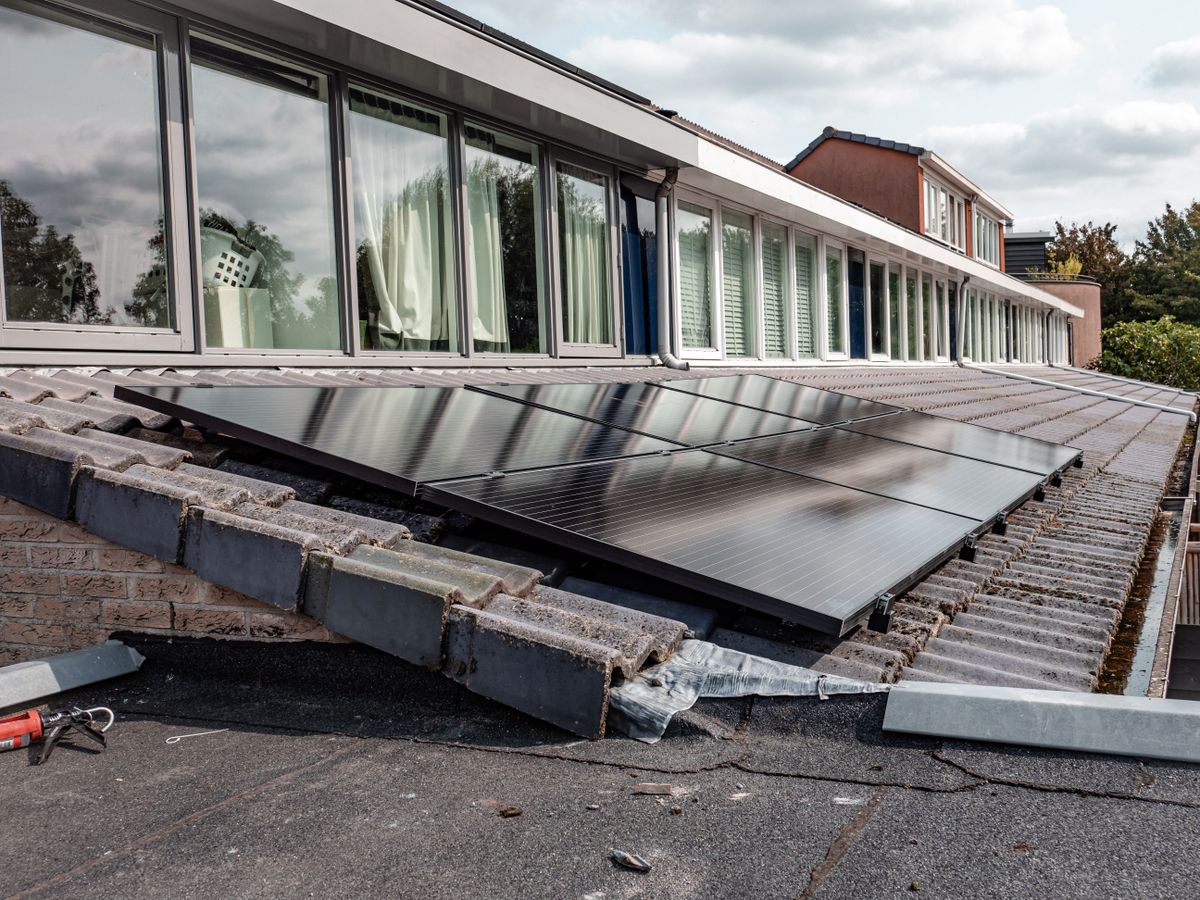
The Electricity Bill That Finally Made Me Go Solar
I remember sitting at my kitchen table in Phoenix staring at a $312 electric bill. July. Air conditioning running all day. My wife working from home, two kids, a chest freezer in the garage. Three hundred and twelve dollars — for one month.
That was my breaking point. I started researching solar, and like most people, my first question was simple: How many solar panels do I actually need?
What I found online was mostly garbage — vague calculators, installer estimates that felt inflated, and articles that told me to "consult a professional" without giving me any real information. So I figured it out myself, made some mistakes, learned a lot, and eventually built a system I'm genuinely happy with.
This article is everything I wish I'd known from day one. No fluff. No installer sales pitch. Just the real math and real logic behind sizing a home solar system in America.
Why Most People Get the Panel Count Wrong From the Start
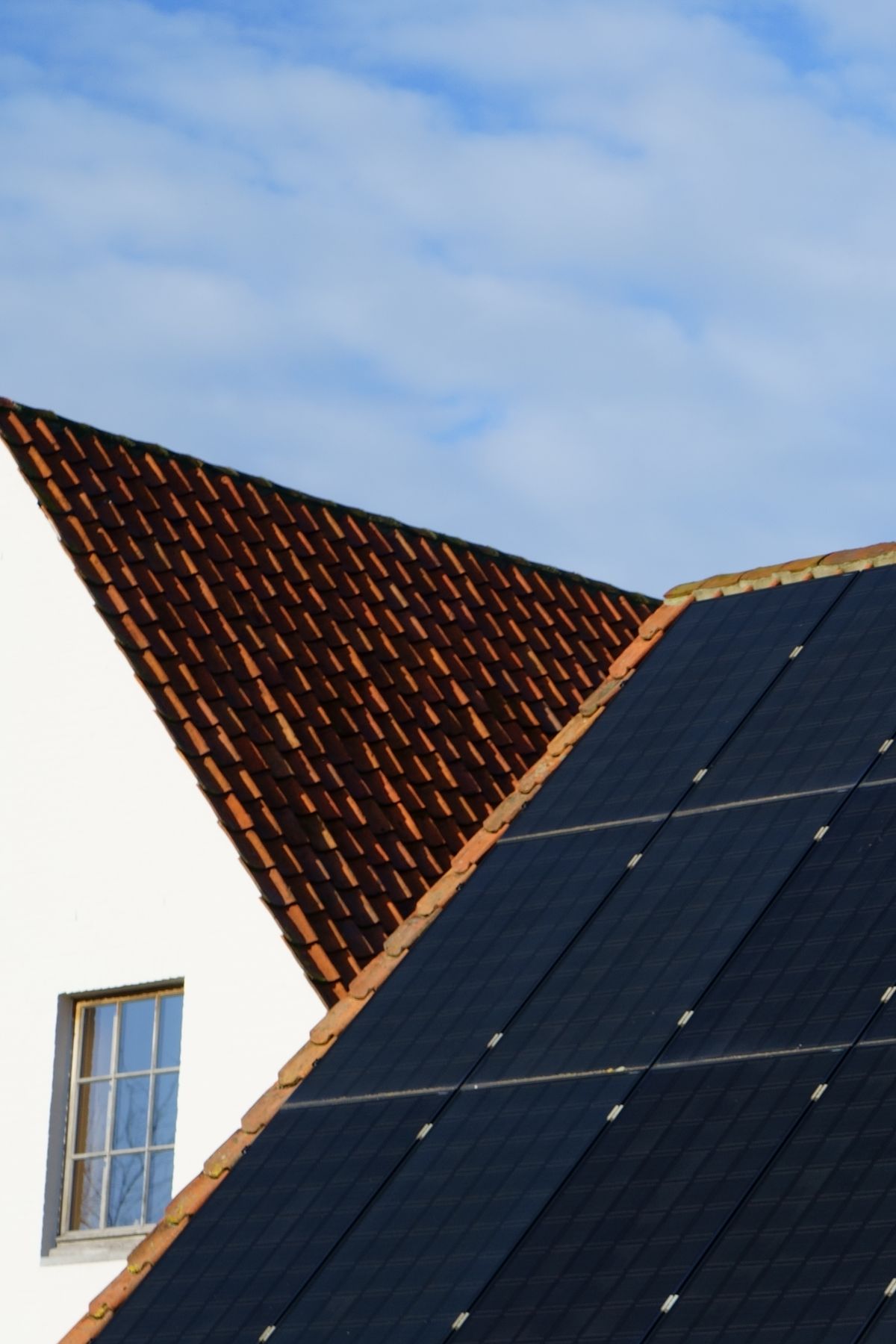
The most common mistake people make is Googling "how many solar panels for my house" and trusting whatever number pops up first.
The truth is, there's no single answer that works for everyone. A 3-bedroom house in Seattle needs a very different system than a 3-bedroom house in Phoenix — even if both families use the same amount of electricity. Sunlight hours, roof angle, shading, local utility rates, and your personal habits all change the equation dramatically.
What I want to do here is walk you through the actual thinking process so you can confidently estimate your own number — and then verify it with a professional before you spend a dime.
What Your Electric Bill Is Actually Telling You
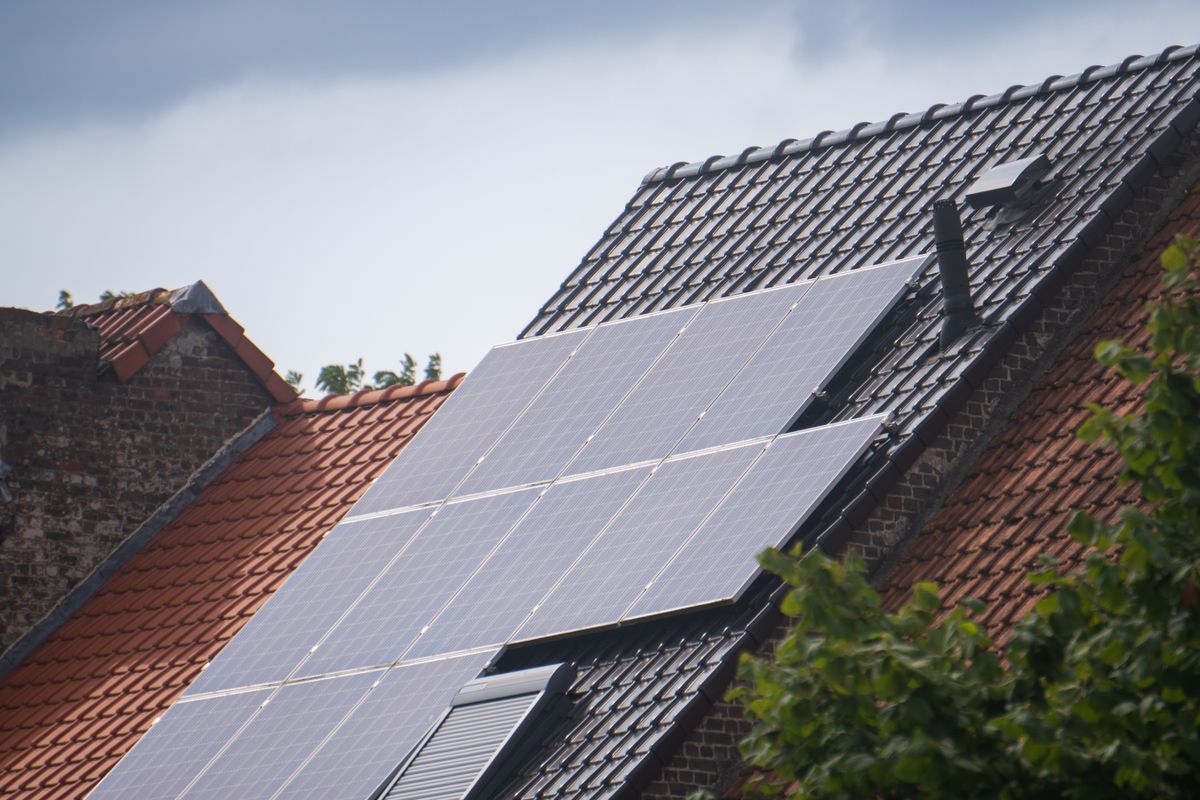
Before you can figure out how many solar panels you need, you need to know how much electricity you actually use. The number you're looking for is your monthly kWh usage — kilowatt-hours.
Pull up your last 12 months of electric bills. Most utility companies show this on the bill itself, or you can log into your account online. Add up all 12 months and divide by 12 to get your average monthly usage.
Here's what typical American households look like:
- Small home or apartment (under 1,000 sq ft): 400–600 kWh/month
- Average 3-bedroom home: 800–1,100 kWh/month
- Larger home (4–5 bedrooms): 1,200–2,000+ kWh/month
The U.S. Energy Information Administration says the average American household uses about 886 kWh per month. That's a useful benchmark, but your actual number could be wildly different depending on your appliances, climate, and lifestyle.
Electric vehicles, pool pumps, electric water heaters, and central air conditioning are the biggest electricity hogs. If you have any of those, expect your number to be on the higher end.
The Simple Formula I Use to Estimate Panel Count
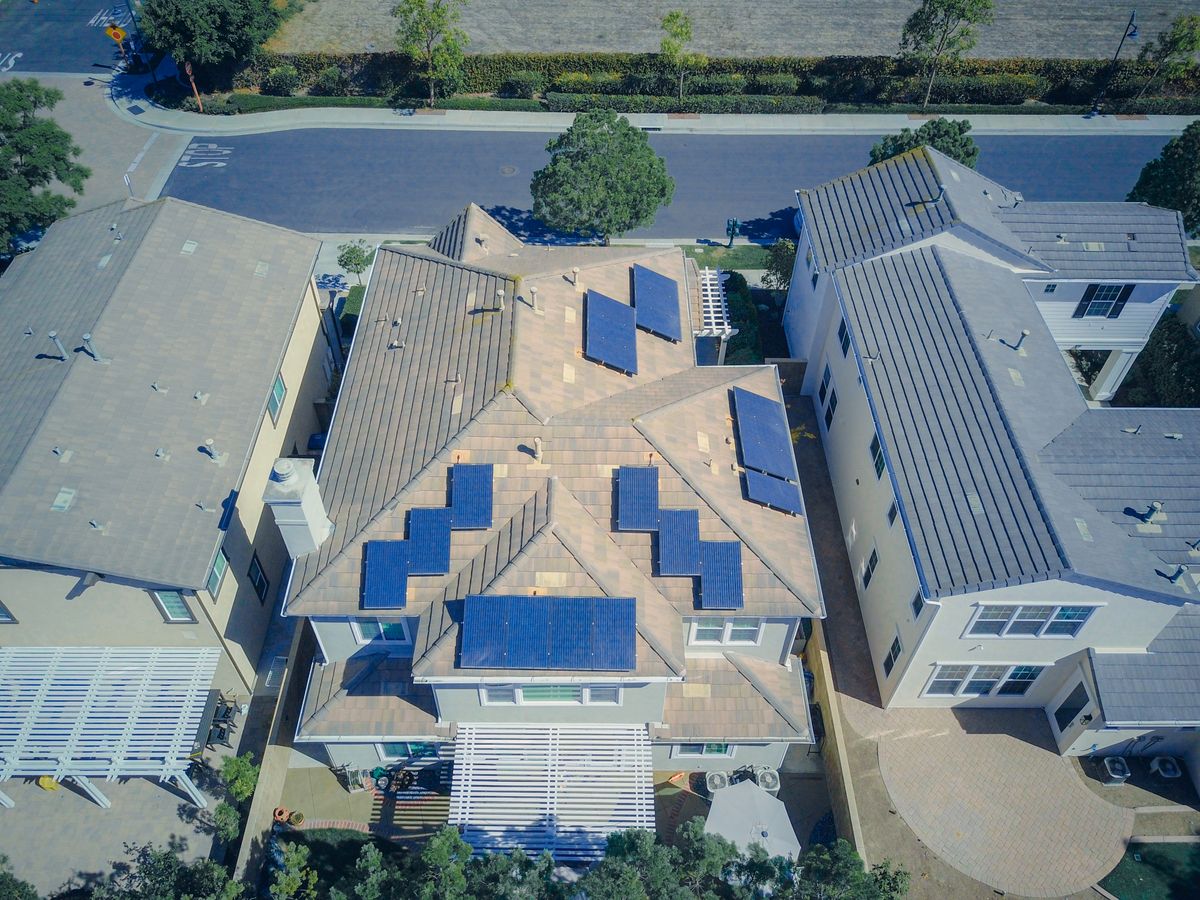
Once you know your monthly kWh usage, the basic formula looks like this:
Monthly kWh usage ÷ Monthly solar output per panel = Number of panels needed
And monthly solar output per panel depends on two things:
- The wattage of the panel (typically 300W–450W for modern residential panels)
- How many peak sun hours your location gets per day
Peak sun hours isn't just daylight hours — it's the number of hours per day when sunlight is strong enough to generate at or near the panel's rated power. Most of the continental US gets between 4 and 6 peak sun hours per day.
Here's a rough breakdown:
| Region | Average Peak Sun Hours/Day |
|---|---|
| Southwest (AZ, NM, NV) | 5.5 – 6.5 |
| Southeast (TX, FL, GA) | 4.5 – 5.5 |
| Midwest (OH, IN, IL) | 3.5 – 4.5 |
| Northwest (WA, OR) | 3.0 – 4.0 |
| Northeast (NY, MA, CT) | 3.5 – 4.5 |
| California (varies widely) | 4.5 – 6.0 |
Now let's put this together with a real example. For a more detailed estimation, check our solar calculator for USA or verify your data with NREL’s Solar Database.
Real Example: Calculating Panels for an 800 kWh Monthly Home
Say you use 800 kWh per month and you live in Dallas, Texas, which gets about 5 peak sun hours per day.
Step 1: Convert monthly usage to daily
800 kWh ÷ 30 days = 26.7 kWh per day
Step 2: Figure out how many kW of solar you need
26.7 kWh ÷ 5 hours = 5.34 kW of solar capacity
Step 3: Convert kW to number of panels
If you're using 400W panels:
5,340W ÷ 400W = ~13–14 panels
That's a real, practical answer. Not "it depends" — 13 to 14 panels for an 800 kWh per month home in Dallas using modern 400W panels.
Now let's say you're in Seattle, which gets closer to 3.5 peak sun hours:
26.7 kWh ÷ 3.5 hours = 7.6 kW needed
7,600W ÷ 400W = ~19 panels
Same house. Same family. Same electricity usage. But you'd need about 5–6 more panels just because of location.
How Many Solar Panels Do I Need for 1,000 kWh Per Month?
A lot of people search for this specific number, so let me answer it directly.
If your home uses 1,000 kWh per month:
- Daily need: ~33 kWh
- In Arizona (5.5 hours): You need about 6 kW → roughly 15 panels at 400W
- In Ohio (4 hours): You need about 8.25 kW → roughly 21 panels at 400W
- In Oregon (3.5 hours): You need about 9.5 kW → roughly 24 panels at 400W
These numbers assume a system that fully offsets your bill. If you're okay with covering 80% of your usage, you can trim 3–5 panels from each number.
What "1 kW of Solar" Really Means on Your Roof
This confused me for a long time. Here's the simplest way to think about it.
A 1 kW solar system — meaning 1,000 watts of panels installed — will generate roughly 4 to 6 kWh of electricity per day, depending on your location's sun hours.
So a 6 kW system (about 15 panels at 400W each) will generate approximately 720 to 1,080 kWh per month. That lines up well with powering an average American home.
But here's what the spec sheets don't tell you: real-world output is always lower than the rated capacity. Heat reduces panel efficiency. Dust accumulates. Wiring has losses. Your inverter isn't 100% efficient. Plan for about 80% of theoretical output to be safe.
So if you calculate you need a 6 kW system, go with at least 6.5–7 kW if your budget and roof space allow it. For pricing details, see our solar panel cost 2026 guide.
How Roof Space Actually Limits Your Options
Here's something I didn't think about until I was already deep into planning: your roof might not fit as many panels as your energy usage demands.
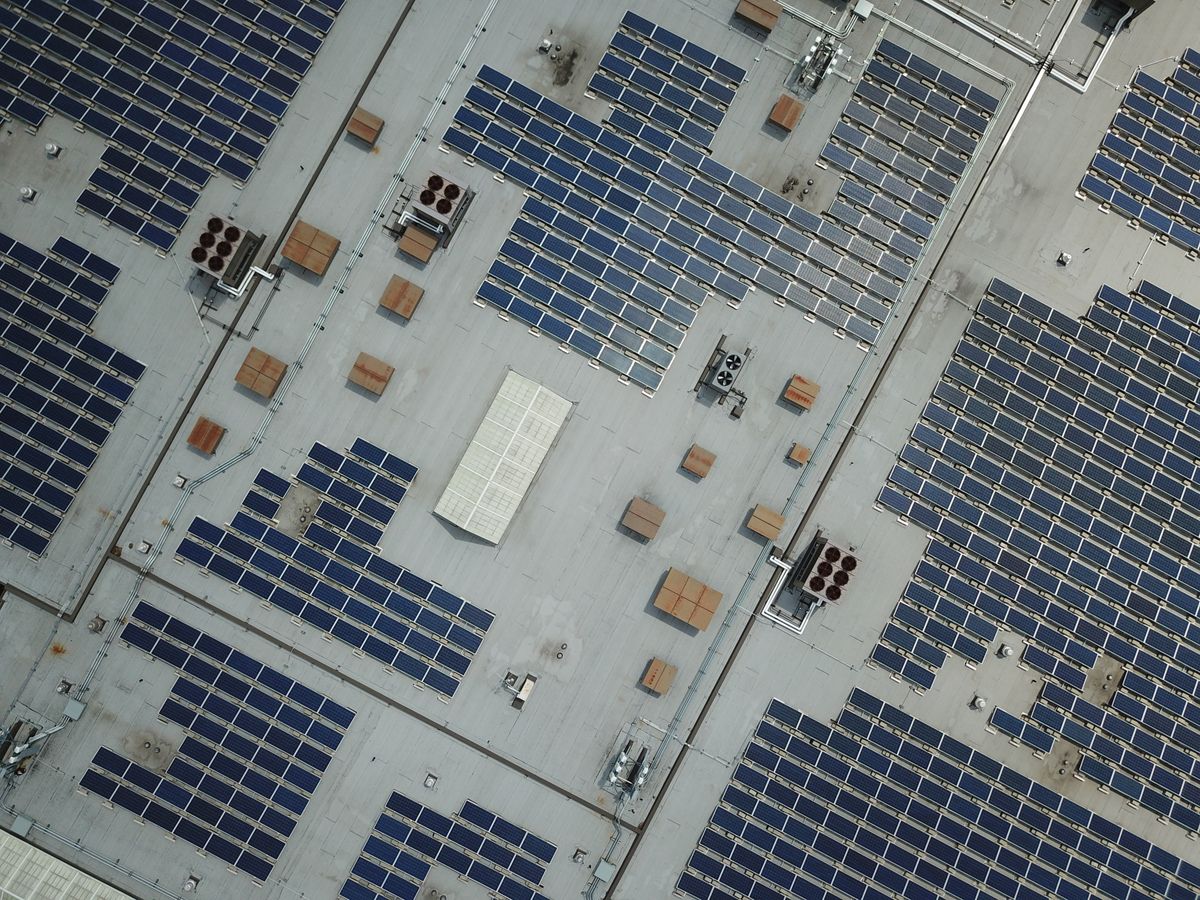
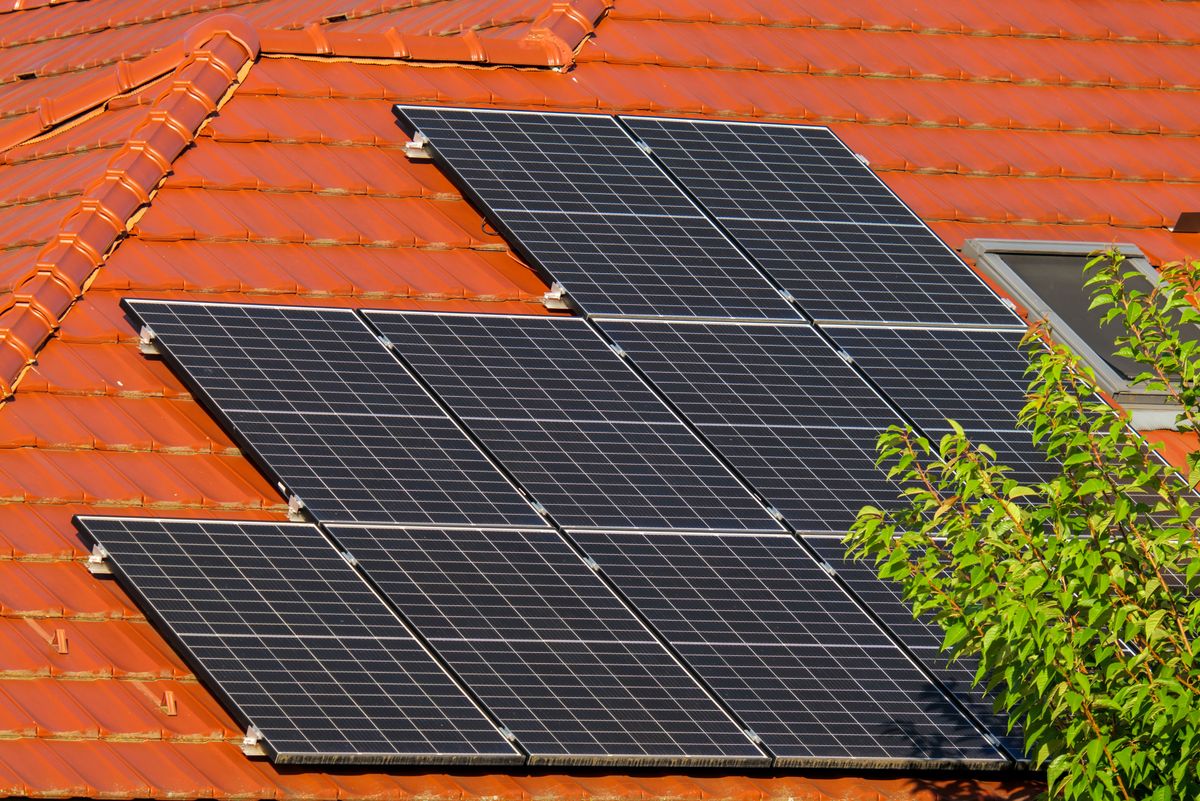
A standard residential solar panel today is roughly 65 inches by 39 inches — about 17–18 square feet per panel. Add some spacing for mounting hardware and airflow, and you're looking at about 20–22 square feet per panel in a real installation.
If you need 20 panels, you need roughly 400–440 square feet of usable roof space. That sounds like a lot, but most two-story homes with a decent-sized roof can accommodate it.
What really eats up usable space:
- Roof vents and HVAC equipment
- Skylights or dormers
- Shaded sections from trees or chimneys
- Valleys, hips, or complex roof shapes
Before you finalize a panel count, draw out your roof and mark what's actually usable. I made the mistake of assuming I could fit 18 panels on my south-facing roof. After accounting for the HVAC unit and two vents, I could only fit 14 comfortably. I ended up going with higher-efficiency panels to make up the difference.
Summer vs. Winter Solar Output: The Seasonal Truth Nobody Talks About
If you design your solar system to perfectly cover your summer electricity usage, you'll overproduce wildly in spring and fall — and still fall short in winter.
Most people size their system to cover their annual average usage, not their peak summer month. The logic is that net metering lets you "bank" credits in high-production months and draw on them in low-production months.
In summer, your panels might produce 150–200% of your daily need. In winter, especially in northern states, they might produce only 50–60% of what you need. It all averages out over the year.
But if you're in a state with poor net metering policies — or you're going off-grid — you need to size for your worst month (usually December or January) and accept that you'll overproduce in summer. Check our off-grid calculator for these scenarios.
For most grid-tied homeowners in the USA, size for your annual average and let net metering handle the seasonal swings.
The Hidden Factors That Change Your Panel Count
Beyond the basic math, here are the real-world variables that can add or subtract panels from your final count:
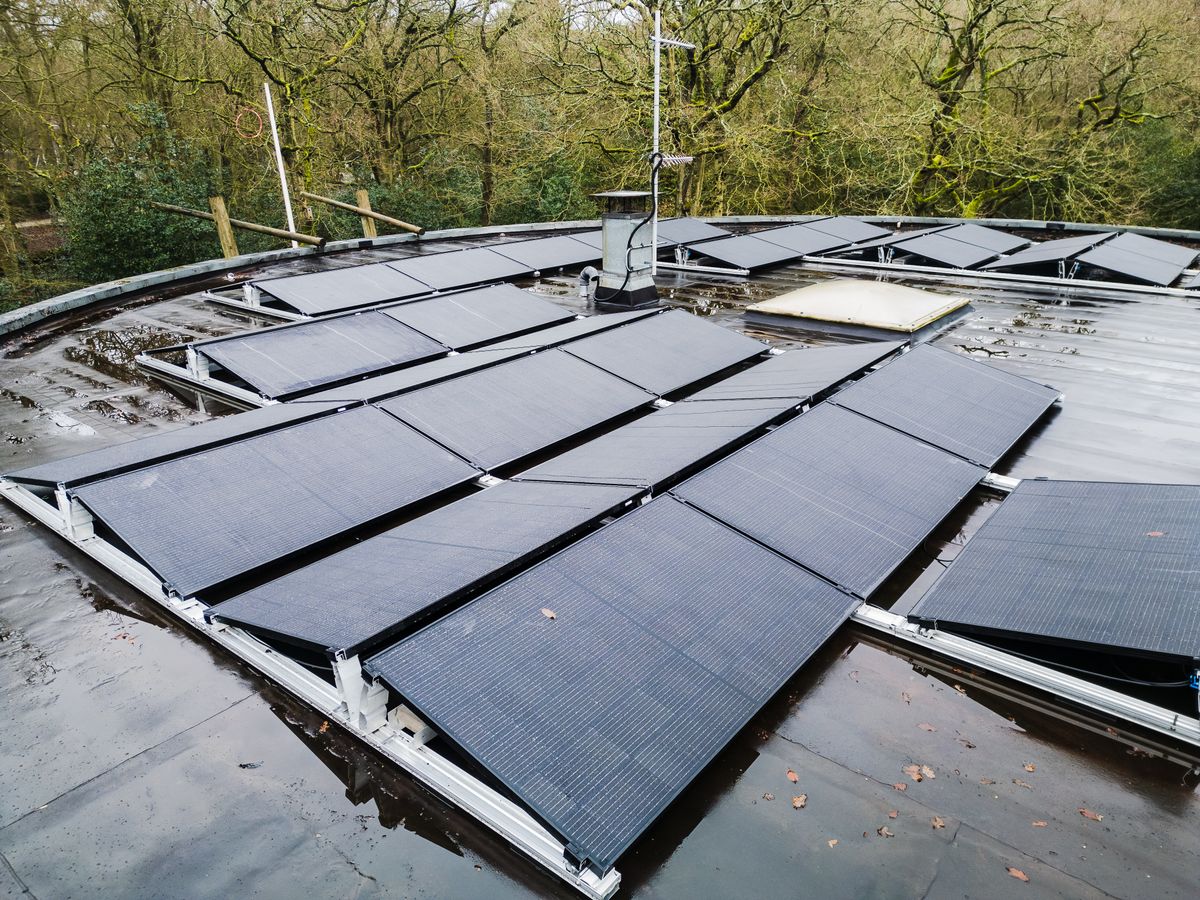
- Panel efficiency: Cheaper 280W panels need more roof space than premium 400W panels to generate the same power. Higher efficiency costs more per panel but fewer panels total.
- Inverter type: String inverters are standard and affordable. Microinverters (one per panel) cost more but perform better when there's shading.
- Shading: Even partial shade on one panel in a string system can reduce output for the entire string. If you have trees nearby, this matters a lot.
- Roof pitch and orientation: South-facing roofs at 30–35 degrees produce the most energy in the continental US. East or west-facing roofs produce about 10–20% less.
- Age of the roof: If your roof needs replacing in the next 5 years, do it before installing solar. You don't want to pay to remove and reinstall panels later.
- Local utility policies: Net metering rules vary wildly by state and utility company. California's net metering policy changed significantly in 2023, affecting system sizing decisions.
How Many Solar Panels for a 3-Bedroom House?
This is the most searched question, so let's break it down cleanly.
A typical 3-bedroom house in the US uses between 700 and 1,100 kWh per month depending on location and lifestyle. Using that range and assuming 400W panels:
| Location | Monthly Usage | Panels Needed |
|---|---|---|
| Phoenix, AZ | 1,100 kWh | 14–16 panels |
| Atlanta, GA | 900 kWh | 16–18 panels |
| Chicago, IL | 800 kWh | 17–20 panels |
| Seattle, WA | 700 kWh | 17–21 panels |
Notice something surprising? Seattle needs more panels than Phoenix even though they use less electricity — because of the lower sun hours. This is the key insight most homeowners miss.
For a 3-bedroom home, budget for a 6 kW to 9 kW system depending on where you live. That typically means 15 to 22 panels using modern 400W panels.
Solar Panel Requirements for Smaller Homes and Special Cases
Not everyone lives in a standard house. Here's how to think about specific scenarios:
- Tiny house or cabin (under 500 sq ft): If you're energy-conscious, you might use only 200–400 kWh per month. A 2–3 kW system with 5–8 panels can cover most of that. For an off-grid cabin, pair it with a battery bank sized for 2–3 days of autonomy.
- Mobile home or manufactured home: These typically use 700–1,000 kWh per month — similar to site-built homes. The main challenge is roof structure. Many mobile home roofs aren't rated to hold panel weight, so you may need a ground-mounted system or a carport-style racking setup instead.
- Apartment or condo: Ground-mounted or balcony-mounted panels are options, but HOA rules and building structure usually complicate things. Community solar programs are often a better fit here.
- Home office setup: If you work from home, expect to add 100–200 kWh per month to your baseline just from computer equipment, monitors, lights, and the extra heating/cooling from staying home all day. Size up accordingly.
- Homes with electric vehicle charging: An EV can add 200–400 kWh per month depending on how much you drive. This is a big deal. If you're adding an EV, add 2–4 panels just for charging.
Running AC and a Refrigerator on Solar: What It Actually Takes
These two appliances are the bread and butter of summer electricity consumption.
A central air conditioner running 8 hours a day in summer might consume 30–40 kWh per day by itself. A full-size refrigerator adds another 2–3 kWh per day. Together, those two appliances alone might need a 4–5 kW solar system to cover them.
That's why undersized systems struggle in summer. If you hear someone say "I only need a 3 kW system," ask what their summer bill looks like. Often they sized for winter usage and then got blindsided by July.
For homes with central AC, I'd never size a system below 6 kW for grid-tied applications. Even for a small home.
Grid-Tied vs. Off-Grid: This Changes Everything
Most American homeowners go grid-tied — meaning your solar panels connect to the utility grid, and you get credits (via net metering) for excess power you send back. When the sun isn't shining, you pull from the grid like normal.
Grid-tied is simpler, cheaper, and lower-maintenance. But here's the catch: if the grid goes down, your solar system shuts off automatically. This is required by law to protect utility workers. So during a blackout, a standard grid-tied solar system provides zero benefit.
Off-grid systems disconnect entirely from the utility grid and rely on battery storage to cover nights and cloudy days. They're significantly more expensive because of the battery bank, and they require careful sizing to ensure you don't run out of power.
For most suburban homeowners, a grid-tied system with battery backup is the sweet spot. You get solar savings, net metering benefits, and backup power during outages — without the full cost and complexity of true off-grid living.
Battery Backup: Do You Actually Need It?
I get this question constantly. Here's my honest take.
If you're in an area with reliable grid power and reasonable net metering, you don't strictly need battery storage to make solar financially worthwhile. Your payback period is shorter without batteries, and the grid acts as your "virtual battery."
But if any of these apply to you, batteries start making sense:
- You live somewhere with frequent outages (Florida hurricane country, Texas ice storms, California wildfire territory)
- Your utility has time-of-use pricing and charges more in the evening
- Your net metering rates are poor (you get pennies per kWh for exports but pay full price to import)
- You want peace of mind during grid events
A typical home battery like the Tesla Powerwall holds about 13.5 kWh. An average home uses 30–40 kWh per day, so one Powerwall covers roughly 8–12 hours of typical usage — not a full day. Most people who buy battery backup get 1–2 batteries and prioritize running critical loads (fridge, lights, phone charging, medical equipment) rather than their whole house.
If you decide to add batteries, factor this into your panel count. Batteries need to be charged by your solar panels, which means you might need 1–2 extra panels to keep the battery topped off reliably.
Inverter Sizing Explained Simply
The inverter is what converts the DC electricity your solar panels produce into the AC electricity your home uses. It's the brain of the system.
Here's the simple rule: your inverter capacity should roughly match your solar array size.
A 6 kW solar system generally pairs with a 6 kW or 7.6 kW inverter. You don't want a massive mismatch in either direction.
The main types:
- String inverter: One central inverter for all panels. Most affordable. Works great when your panels all face the same direction with no shading.
- Microinverters: One small inverter per panel. More expensive but handles shading and mixed orientations much better. Each panel performs independently.
- Power optimizers + central inverter: A middle ground that handles shading almost as well as microinverters at a lower cost.
For most standard residential installs with a clean south-facing roof, a string inverter is perfectly fine and the most cost-effective choice. If you have any shade concerns, spend the extra money on microinverters or optimizers. I wish someone had told me that before my first install — I went string inverter on a roof with afternoon shade and lost more production than I expected.
What Happens When You Under-Size Your System
Under-sizing is more common than you'd think — installers sometimes do it to hit a lower price point and close a sale.
Signs your system is too small:
- Your utility bill drops 40–50% but not more, even in sunny months
- You're still importing lots of grid power in summer
- You hit your net metering cap quickly (meaning you're not producing enough excess to bank credits for winter)
Under-sizing means you're still paying significant electricity bills and getting a slower return on your investment. Over 25 years, a system that's 20% too small might cost you $8,000–$15,000 in extra electricity bills compared to a right-sized system.
What Happens When You Over-Size Your System
Over-sizing is a real issue too, though it's less common in the age of net metering caps.
If your state has net metering, you can send excess electricity to the grid and earn credits. But many utilities cap how much you can earn, or pay you very little (sometimes just 2–4 cents per kWh) for excess exports. Producing way more than you use doesn't earn proportionally more money.
The practical sweet spot is sizing to cover 95–110% of your annual electricity usage. Anything above 110% is usually money spent on panels that don't pay off adequately under current net metering rates.
Exception: if you're planning to add an EV or electric appliances in the next 2–3 years, sizing a bit larger now makes total sense.
The Installer Tricks That Inflate Panel Count (and Your Bill)
I've seen a few tactics used by less-scrupulous installers, and I want you to be aware of them.
- Using lower-wattage panels: If an installer quotes you 22 panels instead of 15, ask what wattage the panels are. Older 250W panels need more units than modern 400W panels to generate the same power. Sometimes installers push higher panel counts because they get better margins on cheaper panels.
- Ignoring your net metering situation: If your utility has great net metering, you don't need to over-build. Some installers sell you a bigger system than necessary "just to be safe" — when in reality they're just increasing their sale price.
- Not accounting for your actual usage: Any installer who doesn't ask for your last 12 months of electric bills before quoting a system size is guessing. Walk away from that conversation.
- Using best-case sun hours: Always ask what peak sun hours assumption they're using. If they tell you Phoenix gets 7 hours and quote accordingly, the system will underperform against those projections.
Get at least three quotes. Ask each installer to show you the math behind their panel count. A good installer welcomes that question.
Using Solar Estimation Tools the Right Way
There are solid free tools out there to help with your estimate:
- PVWatts Calculator (by NREL): This is the gold standard. It's free, built by the National Renewable Energy Laboratory, and lets you input your exact location, system size, panel orientation, and tilt to get a monthly production estimate. Use it at pvwatts.nrel.gov.
- EnergySage Solar Calculator: A good consumer-friendly tool that lets you enter your bill and location and get an estimate of system size, cost, and payback period.
- Project Sunroof (Google): Analyzes your roof using satellite imagery to estimate shading and solar potential. Great for a quick gut check.
Use these tools to sanity-check any quote you get from an installer. If their projection is significantly higher than PVWatts, ask why.
One tip: when using PVWatts, set your system losses to 18–20% instead of the default 14%. Real-world losses from wiring, heat, soiling, and aging are higher than the default assumption. This gives you a more realistic production estimate.
The Real Cost of a Home Solar System in the USA
You can't have a solar conversation without talking money, so here's a realistic picture.
As of 2024, residential solar in the USA costs roughly $2.50 to $3.50 per watt installed, before incentives. A 7 kW system (a common size for an average home) runs $17,500 to $24,500 before incentives.
The federal solar tax credit currently gives you a 30% credit on the full cost of your system (panels, installation, inverter, wiring). So a $20,000 system nets you a $6,000 tax credit, bringing your effective cost to $14,000.
Many states add their own credits, rebates, or property tax exemptions on top of that.
Typical payback period for most US homeowners: 7 to 10 years, after which you're essentially generating free electricity for the remaining 15+ years of the system's 25-year lifespan.
Cost varies significantly by location. Urban California markets like Santa Rosa, Livermore, Santa Cruz, San Luis Obispo, and Santa Clarita tend to run higher per-watt costs than the national average due to permitting complexity, labor rates, and high demand. But California's high utility rates also mean your savings are larger, so payback periods aren't necessarily longer.
My Personal Solar Setup and What I Actually Got
My home in the Phoenix area uses about 1,400 kWh per month in summer (we run the AC hard) and around 700 kWh in winter. Annual average: about 1,050 kWh per month.
I installed a 10.4 kW system — 26 panels at 400W each, south-facing at about a 25-degree tilt, with a 10 kW string inverter.
In my first full year:
- System produced: 17,200 kWh
- Home used: 12,600 kWh
- Net metered back: 4,600 kWh (credited on bill)
- Annual electricity bill: $340 (down from $2,800)
That's a savings of about $2,460 per year. My system cost $26,000 before incentives, and $18,200 after the 30% federal tax credit. Break-even point: roughly 7.4 years.
What I'd do differently: I'd add a battery from the start. I added a Powerwall after the fact and paid a second installation fee I could have avoided.
Common Mistakes Homeowners Make When Going Solar
Here are the ones I see repeatedly:
- Not auditing energy use first. Before sizing solar, do a home energy audit. Sealing air leaks, upgrading to LED lighting, and adding insulation can reduce your usage 15–20%, meaning you need fewer (and cheaper) panels.
- Forgetting about future load changes. Getting an EV? Planning to add a hot tub? Convert to all-electric cooking? Think ahead 5 years and size accordingly.
- Ignoring roof condition. Installing solar on a 15-year-old roof is asking for trouble. A roof inspection is worth $200–300 before committing to a system.
- Not comparing multiple installer quotes. I know people who've gotten quotes ranging from $18,000 to $28,000 for the same system. Shop around. Use platforms like EnergySage to get multiple quotes at once.
- Assuming financing is always better. Solar loans are convenient but often carry 5–8% interest rates. If you can pay cash or use a home equity line at a lower rate, the payback math improves significantly.
What I Would Do Differently If I Were Starting Today
- Start with an energy audit. Cut your usage before sizing up your solar system.
- Use PVWatts to calculate production estimates before calling any installer.
- Ask for three quotes minimum. Don't let urgency push you into a single-bid decision.
- Include battery storage from day one if you live in an area with frequent outages or poor net metering.
- Oversize slightly — 5–10% more than your calculated need — to account for panel degradation over 25 years and potential future load additions.
- Read your net metering agreement carefully. Know exactly what your utility pays you for exported power before finalizing system size.
Practical Advice Before You Make Any Decisions
Here's the short version of everything above, condensed into actionable steps:
- Pull your last 12 electricity bills and calculate your average monthly kWh usage.
- Look up your location's average peak sun hours (use the NREL map or PVWatts).
- Divide daily kWh need by peak sun hours to get your required system size in kW.
- Divide system kW by 0.4 kW (400W) to get approximate panel count.
- Add 10–15% as a real-world buffer.
- Check roof space to confirm it all fits.
- Get three installer quotes and compare them against your own calculation.
- Check federal and state incentives at dsireusa.org.
- Decide on battery based on your local grid reliability and net metering policy.
- Pull the trigger — solar has never been cheaper, and electricity rates aren't going down.
Ready to see your exact savings?
Try Our Solar Calculator