Texas Solar Calculator: How to Calculate Solar Panels for a Texas Home
Table of Contents
- 1. Introduction
- 2. Why I Started Calculating Solar
- 3. Biggest Misconception
- 4. Texas Electricity Bills
- 5. How Solar Panels Work in Texas
- 6. What a 1 kW System Produces
- 7. Why AC Changes Solar Sizing
- 8. Average Electricity Usage
- 9. Roof Size vs Energy Needs
- 10. Texas Location & Solar Output
- 11. Summer vs Winter Production
- 12. My Personal Formula
- 13. Small Home Example
- 14. Medium Home Example
- 15. Large Home Example
- 16. Under-Sizing Your System
- 17. Over-Sizing Your System
- 18. Grid-Tied vs Off-Grid
- 19. Battery Backup Worth It?
- 20. Best Solar Backup Batteries
- 21. Inverter Sizing Explained
- 22. Roof Direction & Sunlight
- 23. Using a Texas Solar Calculator
- 24. Costs and Savings Estimate
- 25. Mistakes Homeowners Make
- 26. Installer Tricks to Watch
- 27. Do Panels Increase Home Value?
- 28. Pros and Cons
- 29. My Personal Setup
- 30. What I'd Do Differently
- 31. Solar Attic Fans
- 32. Final Practical Advice

Last August, my electricity bill hit $387. In one month. For a 2,100-square-foot house in the DFW area.
That was the moment I stopped treating solar as a "someday" idea and started treating it like a math problem I needed to solve immediately.
I spent three months obsessing over every solar panel, watt, and kilowatt-hour before I ever called an installer. I built my own texas solar calculator spreadsheet. I talked to neighbors who already had panels. I made mistakes in my estimates. I corrected them. And eventually, I put together a system that now covers about 94% of my electricity usage year-round.
This article is everything I learned — explained the way I wish someone had explained it to me before I started.
Why I Started Calculating Solar for My Texas Home

When you live in Texas, electricity isn't just a utility. It's basically a survival cost from June through September.
My house runs a 5-ton AC unit almost constantly during peak summer. Add to that a pool pump, a home office with two computers, and a family of four doing normal things — laundry, cooking, streaming — and you're looking at massive monthly consumption.
The first solar quote I got was for a 14 kW system. The second was for 11 kW. The third was for 16 kW. Three different companies gave me three wildly different numbers, all with confidence. That told me one thing: I needed to understand the math myself before trusting anyone else's estimate.
So I dug in. And what I found changed everything about how I approached solar sizing. For a quick estimate, use our Texas Solar Calculator.
The Biggest Misconception About Solar Panel Numbers
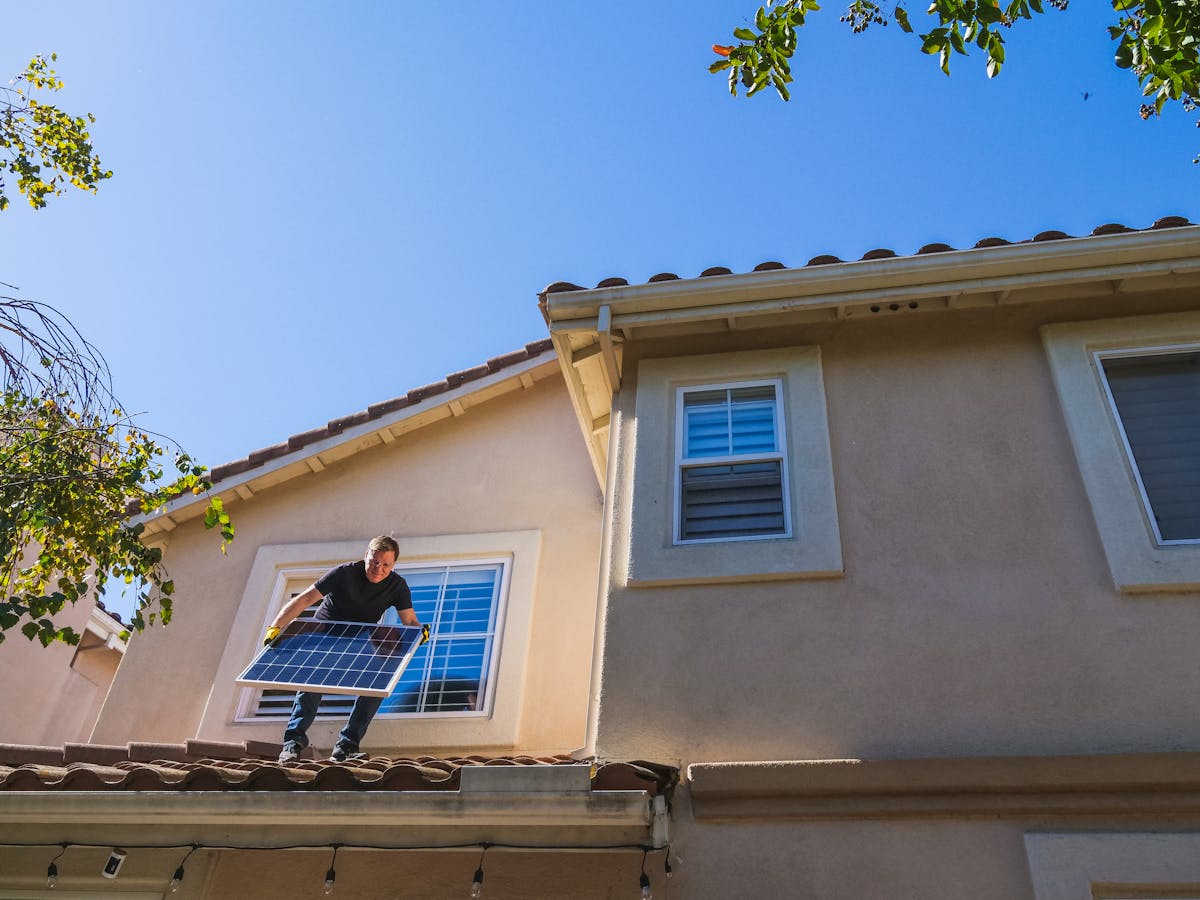
Most people think the question is: "How many panels do I need?"
The real question is: "How much electricity do I actually use — and when do I use it?"
This distinction matters more than almost anything else in solar sizing. A 400-watt panel sounds impressive on paper. But if you install 20 of them and they're pointed the wrong direction, shaded half the day, or producing peak power at noon while your AC runs hardest at 4 PM — you've got a mismatch problem.
The solar panel watt calculator part is actually the easy step. It's everything that comes before it that most people skip. Check our How Many Solar Panels Guide for more clarity.
Why Texas Electricity Bills Confuse Most Homeowners

Texas uses the ERCOT grid and runs on a deregulated electricity market, which means your rate can vary dramatically depending on your provider and plan. Some plans have time-of-use rates where electricity costs more during peak hours (typically 2–7 PM in summer). Others have flat rates with hidden demand charges.
Here's what that means for your texas solar calculator math: if you're on a time-of-use plan, a solar system that produces power from 9 AM to 3 PM is genuinely reducing your bill during those cheaper off-peak hours. But your expensive peak-hour usage from 3–7 PM might still be pulling from the grid.
Before you calculate a single panel, pull 12 months of electricity bills. Most Texas providers let you download your usage history from their app or website. You want the monthly kilowatt-hour (kWh) totals — not just the dollar amounts, because those change with rate fluctuations.
Write down those 12 monthly kWh numbers. That's your baseline. Use our Monthly Savings Calculator to project your future savings.
How Solar Panels Actually Generate Power in Texas
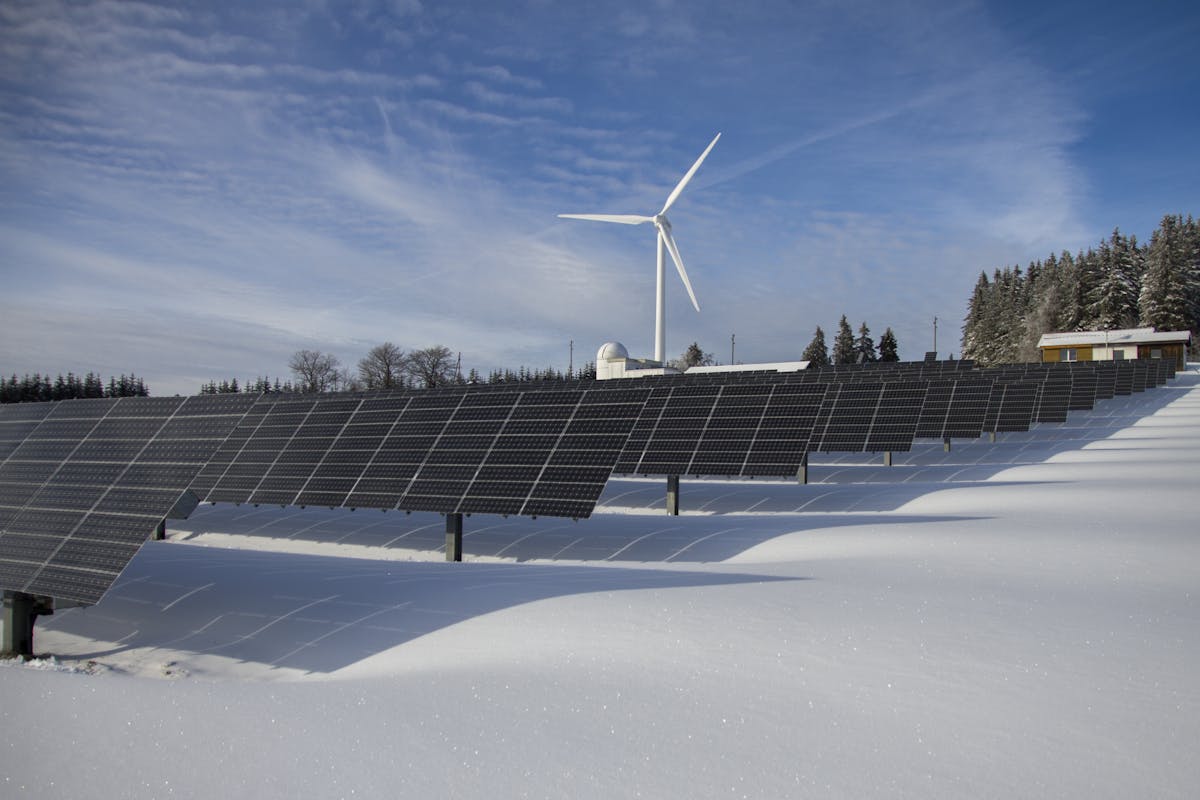
A solar panel converts sunlight into direct current (DC) electricity. An inverter converts that DC into the alternating current (AC) your home uses. Simple enough.
But here's where Texas gets interesting: the state sits between roughly the 26th and 36th parallels, which puts most of it in a "solar sweet spot." The National Renewable Energy Laboratory (NREL) rates most of Texas at 4.5 to 6 peak sun hours per day annually.
Peak sun hours don't mean total daylight hours. They mean the hours of sunlight intense enough to produce rated panel output. Houston averages about 4.7 peak sun hours. Dallas gets closer to 5.2. Midland and El Paso push 6.0–6.5.
That number is critical for your texas solar panel generation calculator because it determines how much power each panel actually produces in a day.
What a 1 kW Solar System Really Produces in Texas

Let's make this concrete.
One kilowatt (kW) of solar panels in Dallas, with 5.2 peak sun hours per day, produces roughly:
1 kW × 5.2 hours = 5.2 kWh per day
Multiply by 30: that's about 156 kWh per month from a 1 kW system in DFW, before accounting for system losses (typically 15–20% from heat, wiring, inverter efficiency, etc.).
After applying a 20% efficiency derate: ~125 kWh/month per kW of panels installed.
This is your core multiplier for a home energy solar calculator texas estimate.
Now let's say you use 1,500 kWh per month (a typical medium Texas home in summer). You'd need:
1,500 ÷ 125 = 12 kW of solar panels
That's roughly 28–30 standard 400-watt panels. On a 2,000 sq ft house with a good south-facing roof, that's absolutely achievable. Use our Solar Calculator USA to verify your numbers.
Why Air Conditioning Changes Solar Sizing Completely
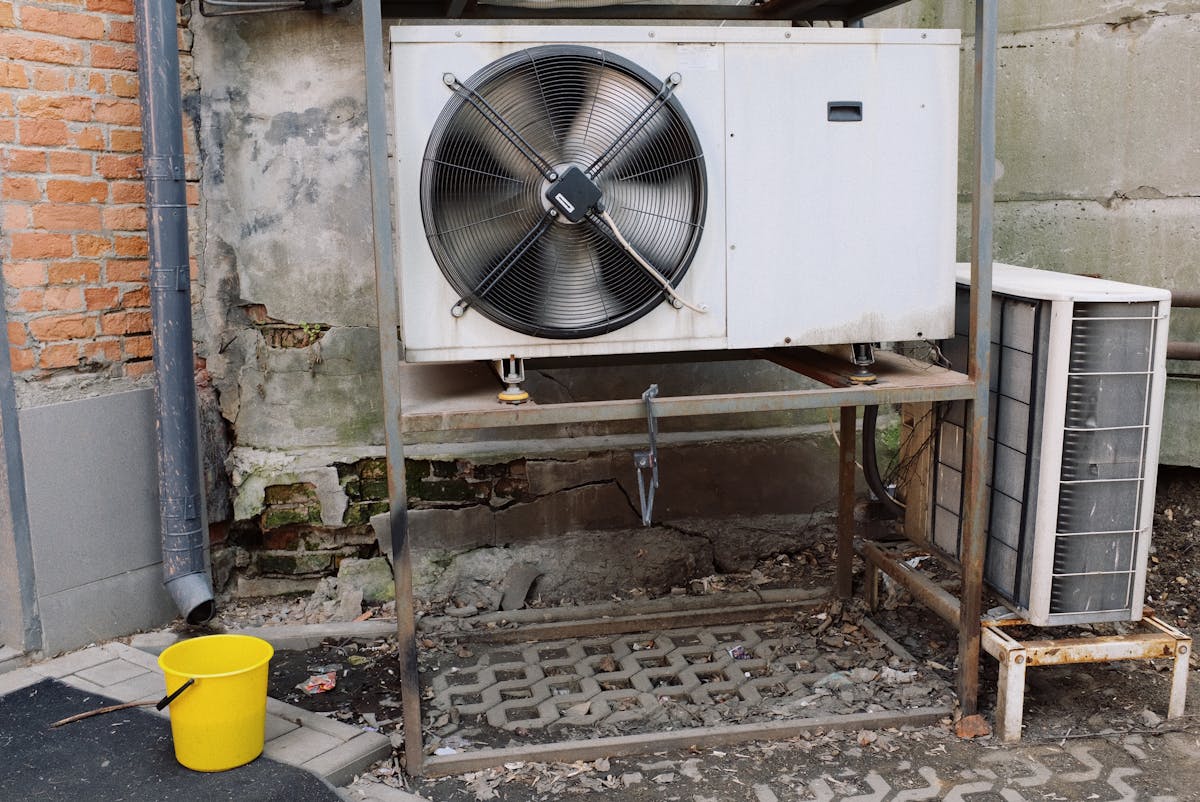
If you live in North Texas, Central Texas, or the Gulf Coast, AC is not optional. It's the single biggest driver of your solar panel requirement calculator texas numbers.
A 3-ton central AC unit draws about 3,000–3,500 watts when running. A 5-ton unit pulls 5,000–6,000 watts. And in July and August, that thing runs almost nonstop between 10 AM and 8 PM.
Here's the killer detail: central AC in Texas typically accounts for 40–60% of total summer electricity usage. So if you're sizing solar without accounting for AC properly, you'll be undersizing — and then wondering why your bills barely drop.
When I was doing my own solar load analysis for texas homes calculation, I tracked exactly when my AC cycled on and off using a smart thermostat. Turned out my unit was running roughly 14–16 hours a day during August peak heat. That's a massive load that needs matching solar production or battery compensation.
The texas solar efficiency calculator math changes a lot when you properly account for AC timing vs. peak solar production hours. See our Smart Monitoring Solutions to track your usage accurately.
Average Electricity Usage in Texas Homes
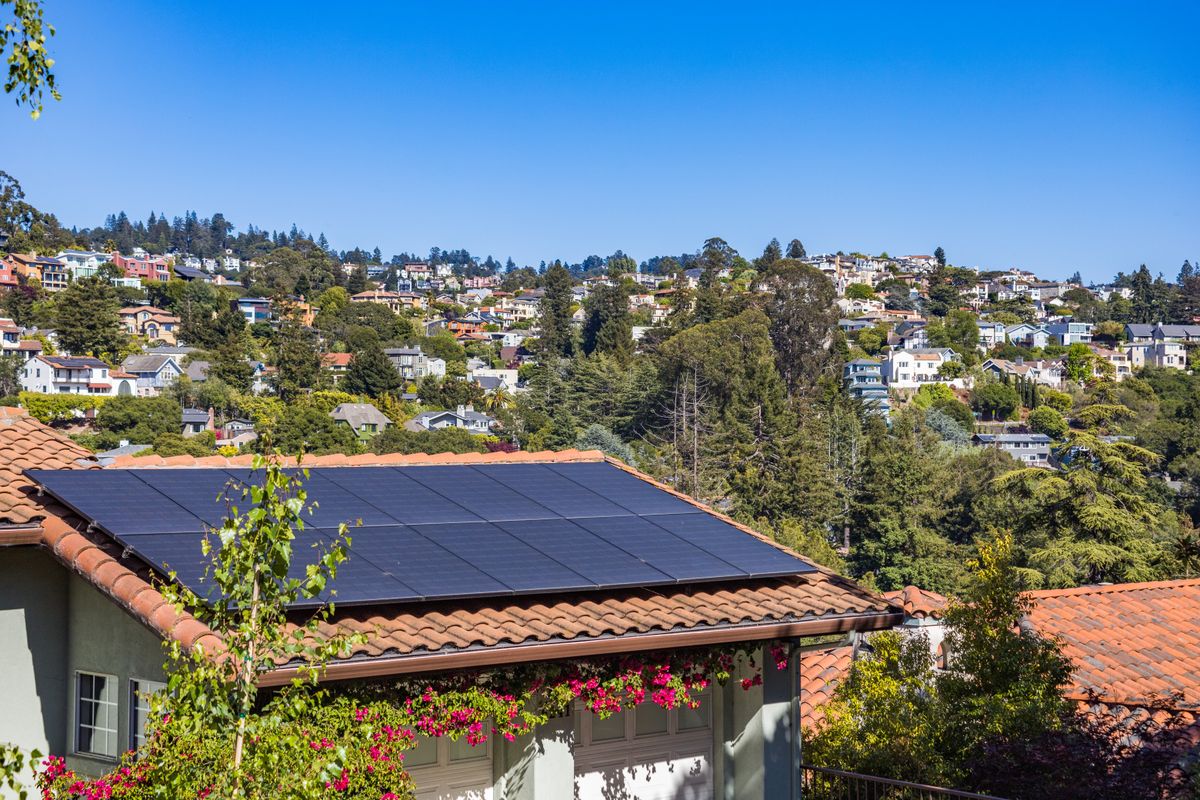
The U.S. Energy Information Administration pegs Texas as one of the highest electricity-consuming states per household. Based on real usage data:
| Home Size | Avg Monthly kWh (Summer) | Avg Monthly kWh (Winter) |
|---|---|---|
| Under 1,000 sq ft | 700–900 kWh | 350–500 kWh |
| 1,000–1,800 sq ft | 1,100–1,500 kWh | 550–800 kWh |
| 1,800–2,800 sq ft | 1,500–2,200 kWh | 750–1,100 kWh |
| 2,800–4,000 sq ft | 2,200–3,500 kWh | 1,100–1,800 kWh |
| 4,000+ sq ft | 3,500–6,000 kWh | 1,800–3,000 kWh |
These ranges assume typical occupancy, standard appliances, and conventional AC systems. Homes with pools, hot tubs, electric vehicles, or older HVAC systems skew higher.
The average solar usage texas home sits around 1,200–1,400 kWh/month annually, but that average hides the brutal summer peaks. Always size your system to handle your peak month, not your average. Visit our Small House Solar Calculator if you have a smaller property.
Roof Size vs Actual Energy Needs

A lot of people think about this backwards. They look at their roof and ask, "How many panels can I fit?" when they should be asking, "How many panels do I need?"
The good news: most Texas homes have enough roof space. A standard 400-watt panel takes up about 20–22 square feet. A 10 kW system (25 panels) needs roughly 500–550 square feet of roof space.
That's easily available on most 1,500+ sq ft homes with a standard gabled roof — as long as you have good south or southwest facing sections without heavy shade.
The bad news: if your roof faces mostly east-west, or has significant shade from trees or chimneys, your available usable area drops fast. That's when you either need higher-efficiency panels to get more power per square foot, or you accept a smaller system.
Don't let a solar company put panels on a north-facing section of your roof. That's wasted money. A panel on a north-facing roof in Texas produces about 30–40% less power than one facing south.
Why Your Texas Location Changes Solar Output Significantly

Texas is a big state. The solar output difference between El Paso and Houston is real.
| City | Avg Peak Sun Hours/Day | Annual kWh per kW installed |
|---|---|---|
| El Paso | 6.2–6.5 | ~1,700–1,800 kWh/kW |
| San Antonio | 5.4–5.7 | ~1,450–1,550 kWh/kW |
| Dallas/Fort Worth | 5.0–5.3 | ~1,350–1,450 kWh/kW |
| Austin | 5.1–5.4 | ~1,380–1,480 kWh/kW |
| Houston | 4.6–5.0 | ~1,250–1,350 kWh/kW |
This means a 10 kW system in El Paso generates roughly 35% more electricity per year than the same system in Houston. That affects your texas rooftop solar savings calculator, your payback period, and how big a system you actually need.
For a texas home solar sizing calculator to be accurate, it has to use your specific city's solar irradiance data — not a national average. Use our Solar Calculator USA for location-specific data.
Summer vs Winter Solar Production in Texas
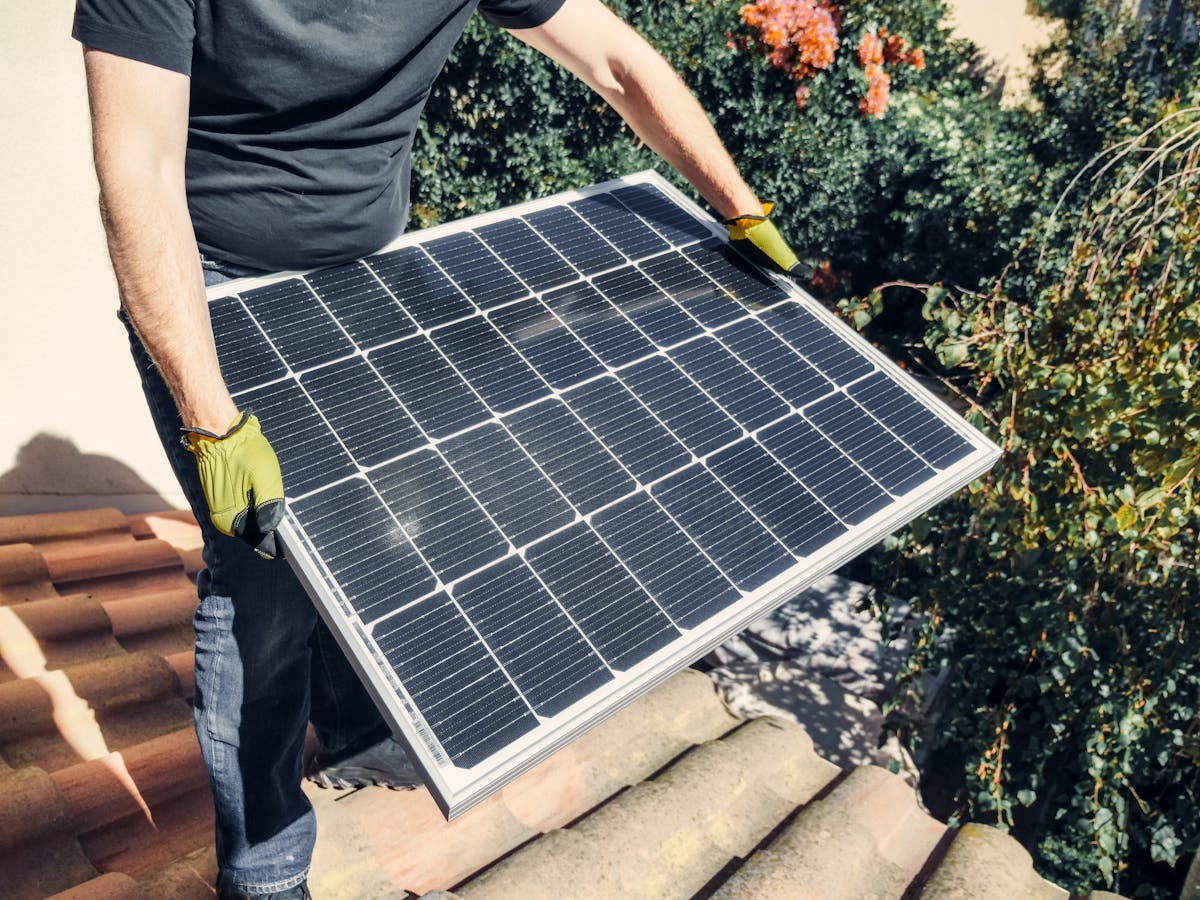
Solar production in Texas is not flat across the year. It swings dramatically.
In January and February, days are short and the sun sits lower in the sky. A 10 kW system in Dallas might produce 800–950 kWh in January. In June or July, that same system might produce 1,500–1,700 kWh.
The problem is that Texas electricity usage is also highest in summer — so the seasons line up better than you'd think. You produce the most solar power during the same months you need it most. That's genuinely good news for grid-tied Texas solar systems.
Winter is where battery backup becomes more interesting. If you want to maintain full energy independence during winter evenings or during power outages from ice storms (and every Texan remembers 2021), you need storage. See our Battery Storage Guide for winter planning.
The Formula I Personally Use to Estimate Solar Panels

Here's my personal step-by-step approach. You can use this as your free solar estimate for texas residents starting point before you ever talk to an installer.
Step 1: Get your peak monthly kWh usage
Pull the highest month from the last 12 months. Let's call it X.
Step 2: Find your city's peak sun hours
Use the table above or look up your zip code on the NREL PVWatts tool.
Step 3: Apply the system efficiency factor
Multiply peak sun hours by 0.78 (accounting for inverter losses, heat derating, wiring losses, and soiling).
Step 4: Calculate daily kWh needed
Daily kWh needed = X ÷ 30
Step 5: Calculate kW of panels required
kW needed = Daily kWh needed ÷ (Peak Sun Hours × 0.78)
Step 6: Convert to number of panels
Number of panels = kW needed ÷ panel wattage (in kW)
Real Example: Small Texas Home (750 sq ft, Austin)

A friend of mine has a small home in South Austin. One bedroom, window AC unit, efficient appliances. Her peak summer month hits about 650 kWh.
Using my formula:
- Daily need: 650 ÷ 30 = 21.7 kWh/day
- Austin peak sun hours: 5.3
- Effective hours: 5.3 × 0.78 = 4.13
- kW needed: 21.7 ÷ 4.13 = 5.25 kW
- At 400W per panel: 5.25 ÷ 0.4 = ~14 panels
A 14-panel, 5.6 kW system would cover her. That's a modest, affordable install — and she qualified for a good incentive from Austin Energy on top of the federal tax credit. For small house sizing, see our Solar Panel Calculator for Small House.
Real Example: Medium Family House (2,200 sq ft, Dallas)

This is basically my situation. 2,200 square feet, four people, central AC, pool pump, home office.
Peak month (August): 2,100 kWh
- Daily need: 2,100 ÷ 30 = 70 kWh/day
- DFW peak sun hours: 5.2
- Effective hours: 5.2 × 0.78 = 4.06
- kW needed: 70 ÷ 4.06 = 17.2 kW
- At 400W per panel: 17.2 ÷ 0.4 = ~43 panels
That felt like a lot. And honestly, it is a lot for a residential system. I ended up at 13 kW (32 panels) because I also made some targeted energy efficiency upgrades — a programmable pool pump, LED lighting throughout, and better attic insulation — which knocked my consumption down enough to right-size the system.
This is one of the best moves you can make before getting a solar quote: reduce your load first, then size your solar to the reduced number.
Real Example: Large Home With Heavy AC Usage (4,000 sq ft, Houston)

A colleague in Sugar Land has a 4,000 sq ft house with 5-ton primary AC, a 2-ton mini-split for the bonus room, and two teenagers who apparently believe leaving lights on is their full-time job.
Peak month: 3,800 kWh
- Daily need: 3,800 ÷ 30 = 126.7 kWh/day
- Houston peak sun hours: 4.8
- Effective hours: 4.8 × 0.78 = 3.74
- kW needed: 126.7 ÷ 3.74 = 33.9 kW
- At 400W per panel: 85 panels
That's obviously not going on a residential roof. His actual solution was a 20 kW rooftop system combined with significant energy efficiency upgrades, covering about 60% of his usage. The remaining 40% stays on the grid. That's still a massive bill reduction — and a smart outcome given the roof constraints.
What Happens When You Under-Size Your System
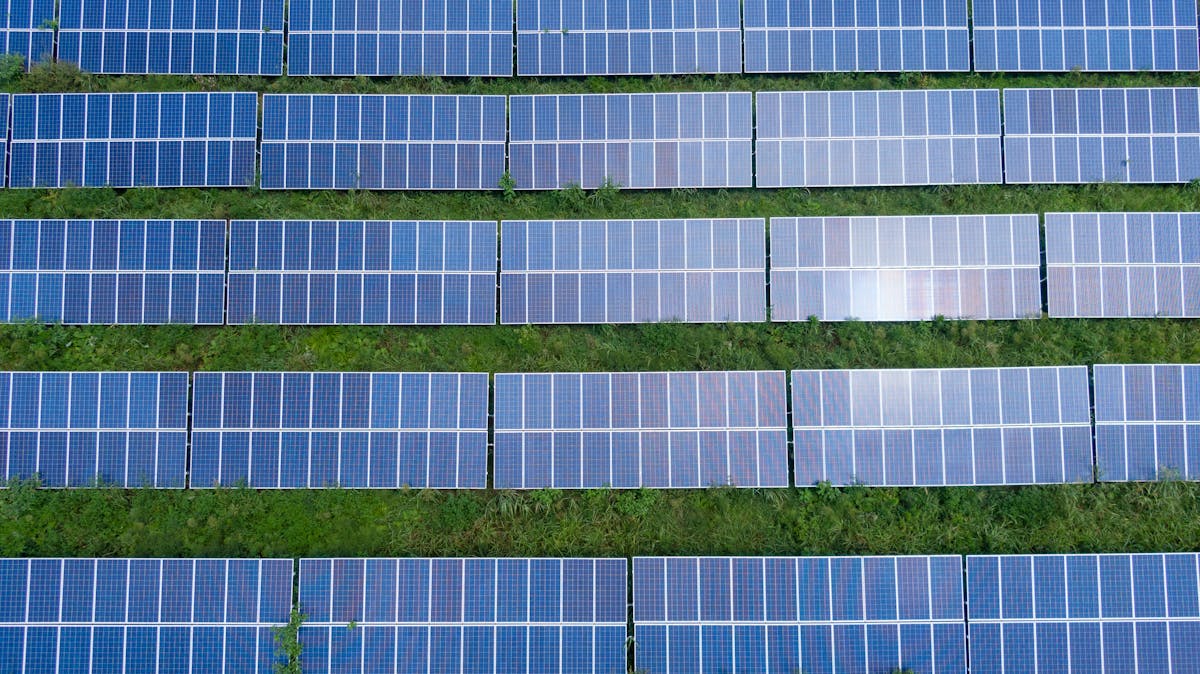
Under-sizing is tempting because smaller systems cost less upfront. But the math can hurt you.
Say you install a 6 kW system when you actually need 10 kW. You're still drawing 40% of your power from the grid. In Texas, where summer rates can spike, that gap gets expensive fast.
More frustrating: you've already done the installation, you've used up some of your best roof real estate, and expanding the system later often means adding a second inverter, new permits, and sometimes compatibility headaches with your existing equipment.
My advice: go with your real usage number, not the optimistic number. If you're trying to cut costs, reduce your consumption first. Track usage properly with Smart Monitoring Solutions.
What Happens When You Over-Size It

Surprisingly, this can also be a problem in Texas.
Most Texas utilities allow net metering — you send excess solar power to the grid and get credit for it. But the credit rate is usually much lower than the rate you pay for power. You're essentially selling at wholesale and buying at retail.
If you massively oversize your system, you're generating a lot of power that you sell cheap and don't recoup in full. Your payback period stretches out.
A well-sized texas solar system cost calculator accounts for this. The sweet spot is sizing to cover 90–100% of your consumption, not 130% of it. Unless you're adding an EV or planning a major home addition, bigger is not always better. Calculate your ROI with our Monthly Savings Calculator.
Grid-Tied vs Off-Grid Solar in Texas
Most Texas residential solar installations are grid-tied. Your panels feed power in, you draw from the grid when you need more than you're producing, and you get credit for what you export.
This is the most cost-effective setup for most Texas homeowners. You don't need a battery bank, which significantly reduces the total solar installation cost texas.
Off-grid is a different animal. If you want complete independence from the grid — especially after the 2021 winter storm — you need enough battery storage to cover your usage through nights and cloudy days. For a medium Texas home, that's typically 40–80 kWh of battery storage. At current prices, that adds $20,000–$50,000 to your system cost.
Hybrid systems — grid-tied with battery backup — are the middle ground. You stay connected to the grid but have enough storage to ride out outages. This is where I landed personally, and I think it's the right call for most Texas homeowners who lived through February 2021. For off-grid sizing, see our Solar Calculator for Off Grid Cabin.
Battery Backup: Is It Really Worth It?

After the 2021 Texas freeze, I get this question constantly. Here's my honest take.
For most people, full energy independence (off-grid capable) isn't economically justified. A full backup battery bank that can run your home for 2–3 days costs $25,000–$60,000 and needs replacement after 10–15 years.
But a partial backup system — enough to run your refrigerator, some lights, a phone charger, and maybe one AC unit for several hours — costs $8,000–$15,000 and provides real peace of mind.
The best solar backup batteries texas homeowners are buying right now include the Tesla Powerwall 3, Enphase IQ Battery 5P, and the Franklin WH series. These are all lithium iron phosphate (LFP) or similar chemistries with good temperature tolerance — important in Texas attics where temperatures can hit 140°F in summer.
Solar power storage systems texas need to handle heat. Not all battery chemistries do this well. Always check the thermal operating range before buying. Learn more in our Battery Storage Guide.
Best Solar Backup Batteries in Texas
Here's a quick comparison of the most popular home solar battery backup texas options:
| Battery | Usable Capacity | Round-Trip Efficiency | Best For |
|---|---|---|---|
| Tesla Powerwall 3 | 13.5 kWh | ~97.5% | Whole-home partial backup |
| Enphase IQ Battery 5P | 5 kWh | ~96% | Microinverter systems |
| Franklin WH5000 | 5 kWh | ~95% | Stackable modular setups |
| Generac PWRcell | 9–18 kWh | ~96.5% | Higher capacity needs |
For most Texas families, two Powerwall 3 units (27 kWh combined) handles a meaningful outage scenario at a reasonable price point. That covers refrigerator, lights, phone charging, and a small AC unit for 1–2 days.
Always install backup batteries for your solar system texas in a climate-controlled or at least shaded location. Don't mount them in a hot west-facing garage without ventilation — heat kills battery life.
Inverter Sizing Explained Simply

Your inverter converts DC solar power to AC power for your home. It also handles the connection to the grid.
The basic rule: your inverter capacity should roughly match your solar panel capacity.
A 10 kW solar array typically uses a 10 kW string inverter. Simple enough.
But there's a real-world nuance. In Texas heat, panels often produce less than their rated wattage because they lose efficiency as temperature rises. This is called temperature coefficient — and panels lose roughly 0.3–0.4% output per degree Celsius above 25°C.
On a 95°F Texas summer day, your rooftop panel surface might hit 150°F (65°C). At a -0.35%/°C coefficient, you're losing about 14% of rated output just from heat. A "400-watt panel" is producing closer to 344 watts.
Some installers take advantage of this by "clipping" — installing slightly more solar than the inverter can handle, knowing the panels rarely hit full rated output. A 10 kW inverter paired with 11–12 kW of panels is actually smart in Texas. Just make sure your installer explains this clearly.
Microinverters (one per panel) or power optimizers + string inverters are the other option. These handle shade and panel mismatch better. They cost more but can meaningfully improve production on complex roofs. For maintenance tips, see our Solar Maintenance Guide.
Roof Direction and Sunlight Angle Impact

South-facing is ideal in Texas. Full stop.
A south-facing roof at a 20–30 degree pitch captures maximum annual solar energy in Texas. Southwest is second best. West-facing actually works better than east for Texas homes on time-of-use billing plans, since your western panels keep producing until 6–7 PM, right into peak pricing hours.
East-facing roofs produce most power in the morning. Not great for time-of-use optimization, but still viable.
North-facing? Avoid it. The output reduction (30–40% less than south) makes those panels a poor investment.
If your roof is primarily east-west facing, look into a ground mount or carport mount. Several Texas homeowners I know put panels over their driveways or on pole mounts in the backyard. It costs more to install but produces significantly better.
Using a Texas Solar Calculator Correctly

Whether you're using an online texas solar calculator tool or building your own spreadsheet, here's what to input accurately:
- Monthly kWh usage — all 12 months, not just average
- Your zip code — for accurate sun hours
- Roof pitch and orientation — south, southwest, east, etc.
- Shading factors — trees, chimneys, neighboring buildings
- Your utility's net metering rate — what they pay for excess
- Your current electricity rate — including all fees and charges
- System cost — get three quotes
- Federal tax credit — currently 30% of total system cost
- Any Texas state or utility incentives — these vary by utility
The texas solar bill reduction calculator math is only as good as the inputs. Bad inputs give you false confidence.
Online tools like NREL's PVWatts are free and surprisingly accurate for initial estimates. I used it alongside my own spreadsheet and they were within 5% of each other. Use our Solar Calculator to run your own numbers.
How I Estimate Solar Costs and Savings

Here's a rough framework for estimating texas solar system cost calculator numbers:
System cost (before incentives): $2.50–$3.50 per watt installed
A 10 kW system: $25,000–$35,000
Federal Investment Tax Credit (ITC): 30% of total cost
Tax credit on $30,000 system: -$9,000
Net out-of-pocket: ~$21,000
Annual electricity savings: Depends on your usage and rate
If you save $200/month on electricity: $2,400/year
Simple payback period: $21,000 ÷ $2,400 = 8.75 years
With Texas electricity rates rising about 3–4% annually, that payback shrinks every year. Most well-sized Texas systems pay back in 8–12 years and last 25–30 years.
The texas solar panel payback period looks even better if you finance at a low rate and your monthly loan payment is less than your current electricity bill savings. Many Texas homeowners go solar at zero net monthly cost from day one. Project your own savings at our Monthly Savings Calculator.
Mistakes Texas Homeowners Make Before Installing Solar

I made some of these myself. Others I caught just in time.
Mistake 1: Not getting their bills first
Sizing from memory is wildly inaccurate. Pull actual usage data from your utility app.
Mistake 2: Ignoring seasonal variation
Annual averages hide summer spikes. Size for your peak month.
Mistake 3: Not checking roof age
If your roof is 10+ years old, replace it before installing solar. Moving panels for a mid-install roof replacement adds $2,000–$5,000 in labor.
Mistake 4: Buying the cheapest panels
Budget panels from unknown manufacturers have higher degradation rates. Tier 1 manufacturers like REC, Panasonic, SunPower, Q CELLS, and Jinko Solar offer better 25-year performance guarantees.
Mistake 5: Skipping the energy audit
A $300 energy audit often reveals $2,000–$5,000 worth of efficiency improvements that reduce the system size you need — and therefore the cost.
Mistake 6: Not understanding interconnection timelines
In Texas, connecting to the ERCOT grid can take 2–6 months in some areas. Installers who promise "installed in 2 weeks" don't tell you that you might wait months to flip the switch. See our Solar Guides for more insider tips.
Solar Installer Tricks That Inflate System Size

I hate that I have to write this section. But I'd be doing you a disservice if I didn't.
Some solar installers — not all, but some — deliberately oversize systems because bigger systems mean bigger commissions.
Watch out for:
- "Future-proofing" without a reason — if they're adding 30% to your system for a future EV you don't own, ask for that in writing with actual EV load calculations.
- Using your average annual usage, not your peak month — this undersizes the annual perspective but can be used to justify weird numbers depending on the methodology.
- Quoting in panels, not kilowatts — "You need 24 panels" is meaningless without knowing watt ratings.
- Skipping a site visit — any serious solar quote estimator texas involves actually looking at your roof, running a shade analysis, and reviewing your bills.
Get at least three quotes. Cross-reference the system sizes. If one company is 40% higher than the others with no explanation, that's a red flag. Read our Engineering Disclaimer for more guidance on evaluating solar proposals.
Do Solar Panels Increase Home Value in Texas?

Yes — and Texas is actually one of the better states for this.
Studies from Zillow and the Lawrence Berkeley National Laboratory consistently show that homes with solar sell faster and for a premium. In Texas, that premium has ranged from 3–4% on average, though it varies significantly by market and system quality.
In Dallas, Austin, and San Antonio metro areas, solar is increasingly expected at higher price points. A home with a quality 10+ kW system and a battery backup has a real selling advantage.
The does solar increase property tax texas question is also good news: Texas has a property tax exemption for the added value of a solar system. So your home value goes up, but your property tax assessment doesn't include the solar increase. That's a meaningful financial benefit most homeowners miss. See our Solar Panel Cost 2026 article for the latest pricing data.
Pros and Cons of Solar Panels in Texas
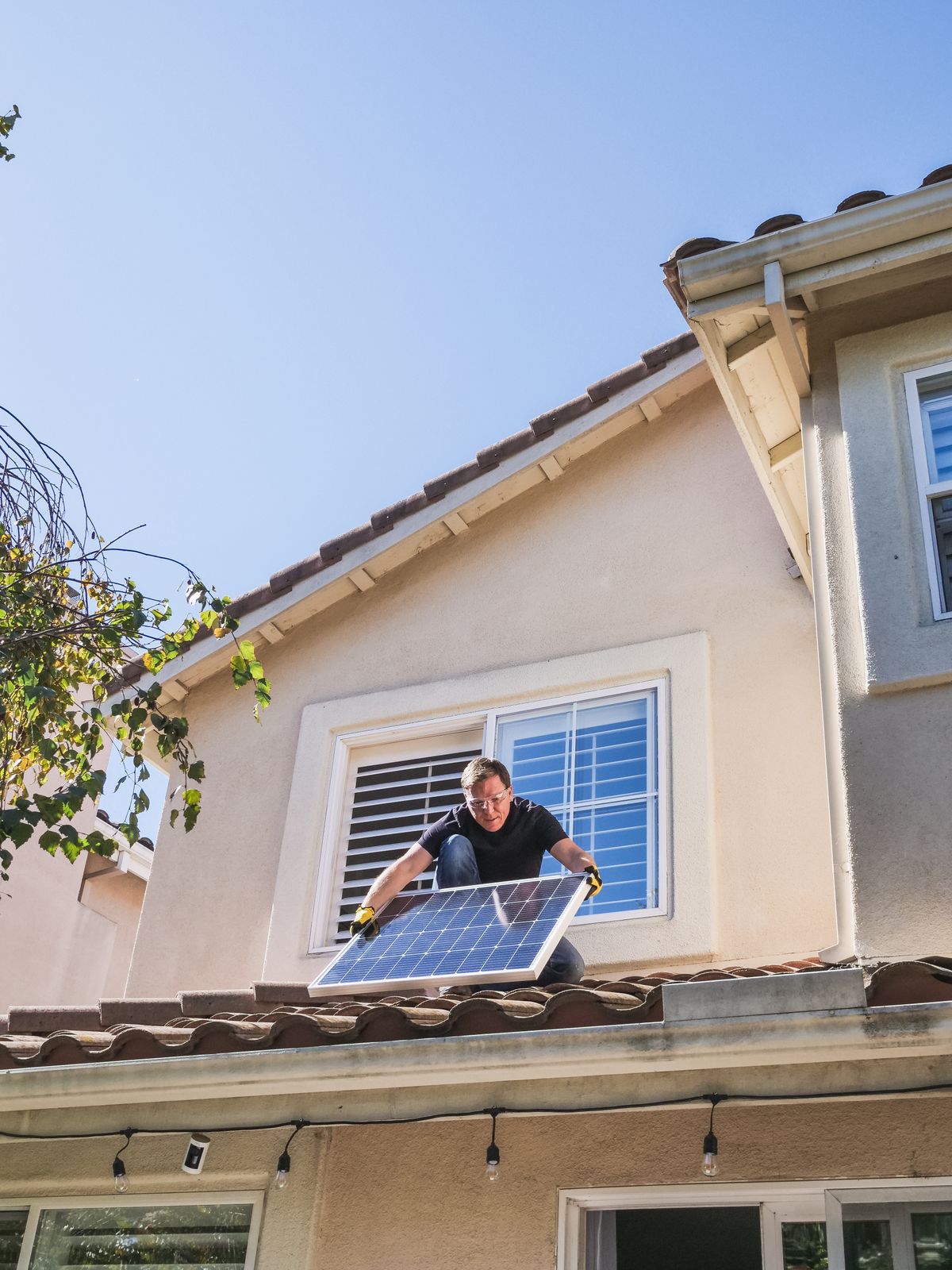
Let's be real about both sides.
Pros:
- Texas has excellent sun exposure, especially West Texas
- Electricity rates are rising — locking in solar offsets those increases
- 30% federal tax credit through at least 2032
- Property tax exemption on added home value
- Real backup options with battery storage post-2021
- Payback periods of 8–12 years on quality systems
Cons:
- Summer heat reduces panel efficiency (manageable but real)
- No statewide net metering mandate — policies vary by utility
- Hurricane/hail risk in some areas (Gulf Coast especially) — check panel ratings
- Interconnection timelines can be long in some ERCOT areas
- Upfront cost is still significant even after tax credits
- Battery systems add substantial cost for full outage protection
The benefits and risks of texas solar are real on both sides. But for most Texas homeowners with decent sun exposure and rising bills, the numbers work. The ROI is real. For California comparisons, see our Solar Calculator for California Home.
My Personal Solar Setup Experience
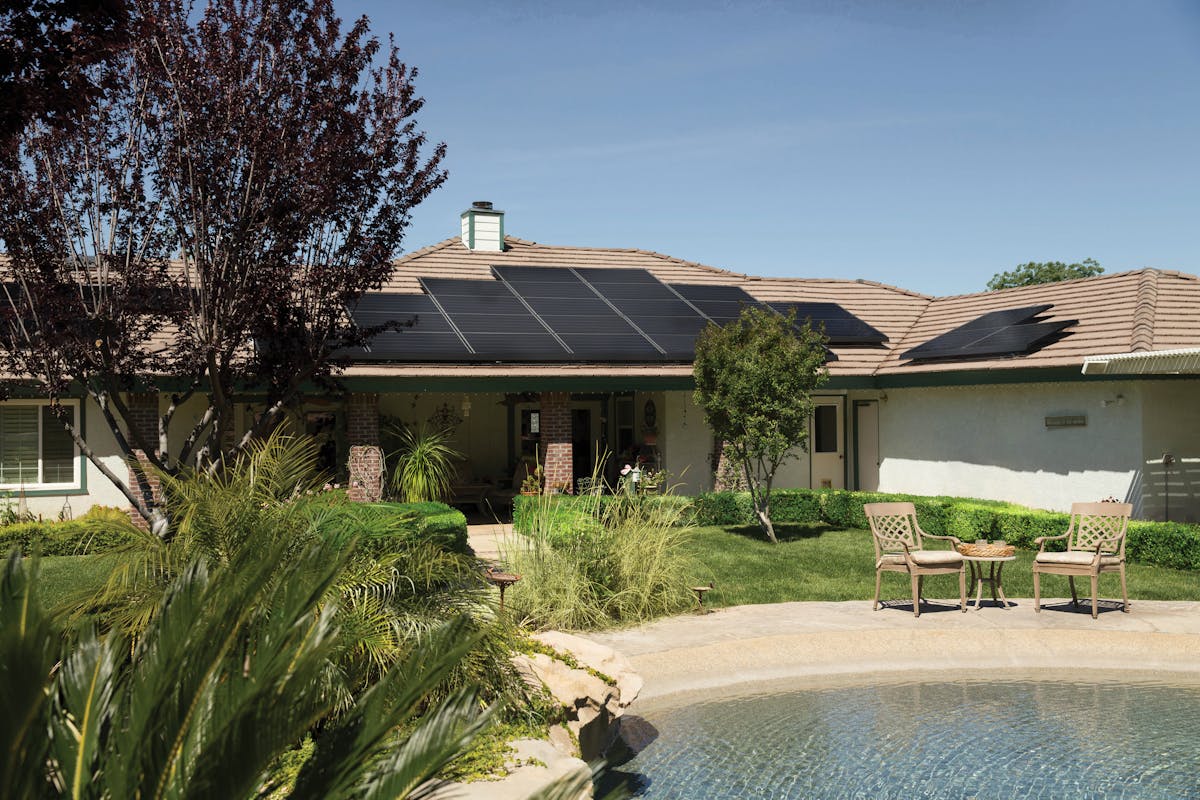
My system went in at the end of October — not the ideal timing for a Texas homeowner, since the winter months aren't peak production. But I wanted to be ready for the following summer.
Here's what I actually installed:
- 13.2 kW solar array — 33 panels at 400W each
- SolarEdge 11.4 kW string inverter with power optimizers
- 2× Tesla Powerwall 3 — 27 kWh of storage
- South and southwest facing installation across two roof planes
First full summer after install: my August bill went from $387 to $31. The $31 was the minimum utility connection fee.
That's not a cherry-picked number. That's what right-sizing does when the math is done honestly.
What I Would Do Differently Today
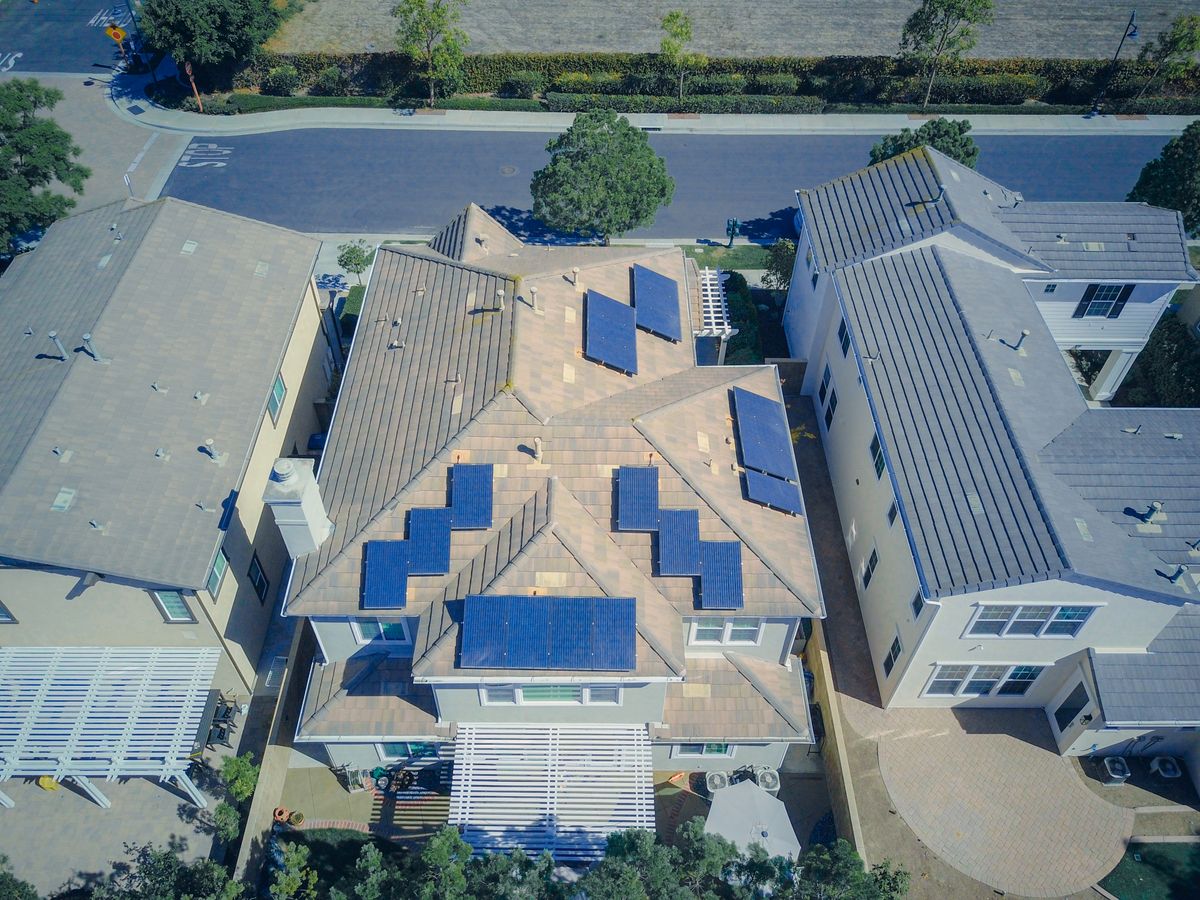
Looking back, here's what I'd change:
I'd do the energy audit first. I tightened up insulation, replaced some weatherstripping, and installed a variable-speed pool pump after my solar was already sized. If I'd done those things first, I might have sized down to an 11 kW system and saved $3,000–$4,000.
I'd have started with two Powerwalls from the beginning. I added the second one six months after initial install. Adding batteries post-install works fine, but you pay for two separate installation trips.
I'd have asked harder questions about the interconnection timeline. My installer was optimistic. It took four months from installation to grid permission to operate. That's normal — but I wasn't mentally prepared for it.
What Solar Attic Fans Do (and Why They Matter for Texas Roofs)
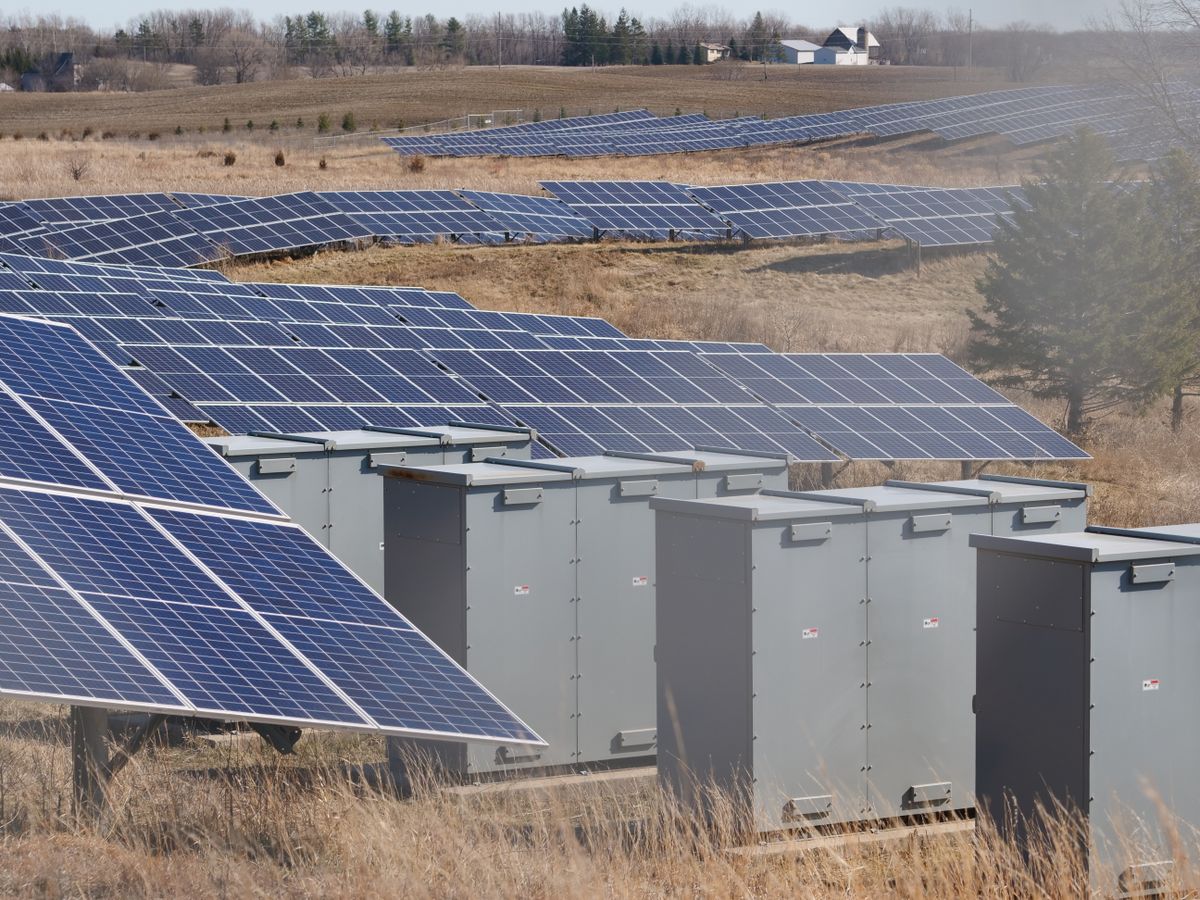
One thing I don't see discussed enough in solar sizing conversations: attic temperature management.
In Texas, attic temperatures can exceed 150–160°F in summer. That heat conducts down into your living space, making your AC work harder. A solar attic fan — a fan powered by its own small solar panel, separate from your main system — can drop attic temps by 20–40°F.
I've seen this used effectively in places like Argyle TX, Arlington TX, and Roanoke TX where older homes have poor ridge ventilation. Solar attic fan installation argyle and similar services are a small investment that meaningfully reduces your cooling load and therefore your solar sizing requirements.
It's not a replacement for good insulation, but in Texas heat it's a cheap win. Worth considering before you finalize your solar load analysis for texas homes. For RV and mobile setups, see our RV Solar Calculator.
Final Practical Advice for Texas Homeowners

Here's everything compressed into what actually matters before you sign a contract:
- Pull 12 months of actual kWh data from your utility
- Size your system for your peak summer month, not the annual average
- Check your roof age, condition, and orientation before anything else
- Get three quotes minimum, compare system sizes and cost per watt
- Ask every installer for a line-by-line production estimate by month
- Run the 30% federal tax credit math yourself — don't just trust the quote
- Understand your utility's net metering policy before assuming it's favorable
- Consider a hybrid grid-tied + battery system for Texas weather resilience
- Do energy efficiency upgrades first — attic insulation, HVAC maintenance, LED lighting
- Use NREL PVWatts as a free cross-check on any installer's production claims
Solar in Texas is genuinely one of the better investment decisions a homeowner can make right now. The sun is strong, the bills are high, and the incentives are real. But the math has to be done right — your math, for your house, in your city.
Do that math first. Then talk to installers.
The most important advice I can give you is this: don't skip the energy audit step.
Before you spend a dollar on solar panels, spend an afternoon sealing gaps, adding attic insulation, and reviewing your HVAC efficiency.
A well-insulated, energy-efficient Texas home can cut your cooling load by 20–30%. That means you need fewer panels, smaller batteries, and a smaller inverter to achieve the same results.
Audit first. Size your system realistically. Choose quality components over cheap ones.
Do those things and solar-powered Texas homeownership goes from an intimidating project to a system that quietly saves you money — every month, for decades.
FAQ: Texas Solar Calculator Questions
How many solar panels do I need for a Texas home?
It depends on your electricity usage, location, and roof orientation. As a rough guide, a typical 1,800–2,500 sq ft Texas home uses 1,200–2,000 kWh/month in summer and needs approximately 8–16 kW of solar (20–40 panels at 400W each). Use my formula above with your actual usage numbers for an accurate estimate.
How do I calculate solar panel requirements in Texas?
Divide your peak monthly kWh by 30 to get daily needs. Divide that by your city's peak sun hours multiplied by 0.78 (system efficiency factor). That gives you the kW of panels needed. Divide by your panel wattage (in kW) to get panel count.
How much electricity does a typical Texas home use?
The average Texas household uses about 1,200–1,400 kWh per month annually, but summer months often spike to 1,500–2,500+ kWh for medium-sized homes with central AC. Large homes with pools and multiple AC zones can exceed 3,000 kWh in August.
Can solar panels run air conditioning in Texas?
Yes, with a properly sized system. A 3-ton central AC unit uses about 3,000–3,500 watts. If your panels are producing at full capacity and the sun is shining, they can power the AC directly. The challenge is evening and nighttime cooling — that's where either grid connection or battery storage covers the gap.
Do solar panels work during cloudy Texas weather?
Yes, they still produce power — just less. On an overcast day, solar panels typically produce 10–25% of their rated output. In Houston (more cloud cover) vs. El Paso (very sunny), the annual production difference is significant but both cities still make solar worthwhile.
How many batteries do I need for solar backup?
For basic backup (fridge, lights, phone charging, one small AC unit for 8–12 hours), two Tesla Powerwall 3 units (27 kWh total) works well for most Texas homes. For whole-home backup through a multi-day outage, you'd need significantly more storage — 40–80 kWh minimum.
Is it better to oversize or undersize a solar system?
Neither extreme is ideal. Undersizing leaves you with persistent grid bills. Oversizing means producing excess power you sell back cheaply. The goal is 90–100% coverage of your actual usage. If you're between sizes, a modest 10–15% oversize is better than under-sizing given rising electricity rates.
What is the average solar panel output per day in Texas?
A single 400-watt panel in Texas produces roughly 1.3–2.5 kWh per day depending on location (Houston vs. El Paso) and orientation. A 10 kW system (25 panels) produces 30–55 kWh per day on average, or 1,000–1,800 kWh per month.
Are solar panels worth it in Texas?
For most Texas homeowners — yes. High electricity rates, excellent sun exposure, a 30% federal tax credit, and rising grid prices create strong ROI. Systems typically pay back in 8–12 years and last 25–30 years. Add in the property tax exemption on added home value, and the financial case is strong.
How much roof space do I need for solar panels?
Each 400-watt panel requires about 20–22 square feet. A 10 kW system (25 panels) needs roughly 500–550 square feet of usable south or southwest-facing roof. Most 1,500+ sq ft Texas homes have enough. Shade from trees or poor roof orientation are the common limiting factors.
This article reflects personal experience with residential solar sizing in Texas. Always consult with a licensed solar installer and a tax professional before making purchasing decisions. Solar incentives and utility policies change — verify current rates and programs before signing contracts. See our Engineering Disclaimer and Terms of Service.