Solar Calculator Off Grid Cabin: The Real Builder's Guide to Sizing Panels, Batteries, and Inverters Right
Table of Contents
- 1. Introduction
- 2. Why Sizing Wrong Costs More
- 3. Step 1 — Build Your Load List
- 4. Step 2 — How Many Panels?
- 5. Step 3 — Battery Sizing
- 6. Why My Battery Bank Failed
- 7. Best Lithium Battery for Off-Grid
- 8. Step 4 — Inverter Sizing
- 9. Simple Step-by-Step Summary
- 10. Biggest Solar Mistake Cabin Owners Make
- 11. Running a Cabin on 5kW Solar
- 12. Off-Grid Air Conditioner on Solar
- 13. Why Winter Changes Everything
- 14. Solar Charge Controller for Lithium
- 15. Real Appliance Wattage Numbers
- 16. Off-Grid Well Pump Sizing
- 17. Beginner's Free Solar Calculator
- 18. Battery Runtime Examples
- 19. Tiny Cabin Step-by-Step Example
- 20. Seasonal Solar Comparisons
- 21. DIY Battery Bank: Build vs Buy
- 22. Extended Cloudy Weather
- 23. Common Beginner Mistakes
- 24. Mounting Panels on Cabin Roof
- 25. FAQ
- 26. Quick Reference Cheat Sheet
I've wired up solar systems on three different off-grid cabins, two RVs, and one tiny home buried in the Sierra Nevada foothills. I've frozen batteries in January, undersized inverters in July, and once ran a half-built system on a prayer and a single 200-watt panel.
What I learned from all of that? The solar calculator for your off grid cabin is the single most important step you'll ever take — and most people skip it entirely or get it wrong.
This guide walks you through exactly how to calculate your solar needs, size your battery bank, choose the right inverter, and avoid the mistakes I made early on. No fluff. No theory-only explanations. Just the real, practical process that works. For a broader cost overview, see our Solar Panel Cost 2026 guide.
Why Getting Your Off-Grid Solar Sizing Wrong Costs You More Than Getting It Right
Let me be straight with you: undersizing is expensive. Oversizing is wasteful. Both hurt.
My first off-grid cabin build used four 100-watt panels and a single 100Ah lead-acid battery. I thought that was plenty for a weekend getaway. By 9 PM on the first Friday night, the lights dimmed, the phone charger quit, and the 12V fridge started beeping.
That mistake cost me an extra $600 in batteries two weeks later — plus a wasted weekend trip.
The fix is simple. You need to run a proper solar calculator for your off-grid cabin before you buy a single panel. That means knowing your daily energy use, your peak sunlight hours, and how many days of backup storage you actually need.
Let's build that calculator together, step by step. You can also use our Solar Calculator on the home page to fast-track your numbers.
Step 1 — Build Your Cabin Load List (This Is Where It All Starts)

Before you touch anything else, you need to know what's running in your cabin and for how long each day.
This is your load list, and it drives every other calculation in the system.
Here's how to build one:
List every appliance you plan to run. Include the wattage and how many hours per day you'll use it. If you don't know the wattage, check the label on the back of the device or look it up online.
Real Cabin Load List Example (Weekend Use, 2-Person Cabin)
| Appliance | Watts | Hours/Day | Daily Wh |
|---|---|---|---|
| LED lights (4 bulbs) | 40W | 5 hrs | 200 Wh |
| 12V mini fridge | 45W | 24 hrs | 1,080 Wh |
| Phone chargers (x2) | 20W | 3 hrs | 60 Wh |
| Laptop | 65W | 4 hrs | 260 Wh |
| Small fan | 30W | 6 hrs | 180 Wh |
| Water pump (intermittent) | 150W | 0.5 hrs | 75 Wh |
| TV (small 24") | 50W | 2 hrs | 100 Wh |
| Total | 1,955 Wh/day |
That's roughly 2 kilowatt-hours (kWh) per day. Write that number down — it's your daily energy target.
Add a 20% buffer for inefficiencies in the wiring, the inverter, and the charge controller. So multiply by 1.2:
1,955 Wh × 1.2 = 2,346 Wh/day — this is your real daily energy need.
Step 2 — Off Grid Cabin Solar Panel Calculator: How Many Panels Do You Need?
Now that you know how much energy you use daily, you can calculate how many solar panels you need.
The key variable here is Peak Sun Hours (PSH) — the number of hours per day your location gets full, direct sunlight. This is NOT total daylight hours. It's the hours when your panels actually produce at full rated capacity.
Here's a rough PSH guide by US region:
| Region | Summer PSH | Winter PSH | Annual Avg PSH |
|---|---|---|---|
| Southwest (AZ, NV, NM) | 7–8 hrs | 5–6 hrs | 6–7 hrs |
| Southeast (GA, FL, TX) | 5–6 hrs | 4–5 hrs | 5–5.5 hrs |
| Pacific Coast (CA) | 5–7 hrs | 4–5 hrs | 5–6 hrs |
| Mountain West (CO, UT) | 6–7 hrs | 4–5 hrs | 5.5–6 hrs |
| Midwest (OH, MI, MN) | 4–5 hrs | 2–3 hrs | 3.5–4.5 hrs |
| Northeast (NY, VT, ME) | 4–5 hrs | 2–3 hrs | 3.5–4 hrs |
| Pacific Northwest (OR, WA) | 4–5 hrs | 1.5–2.5 hrs | 3–4 hrs |
Always size for your worst season. If you plan to use your cabin year-round, use your winter PSH for calculations. It's the conservative move, and it saves you from dead batteries every January.
The Solar Panel Sizing Formula
Daily Energy Need (Wh) ÷ Peak Sun Hours = Minimum Solar Array Size (Watts)
Using our example:
2,346 Wh ÷ 4 hours (winter PSH, Northeast) = 586 Watts minimum
Round up to a practical system size. In this case, you'd want at least 600–800 watts of solar panels, accounting for real-world losses like shading, panel temperature, dust, and wiring resistance.
For a cabin with 2,346 Wh/day in the Northeast, four 200-watt panels (800W total) would be a solid starting point. Use our Panel Count Guide to verify your numbers. For USA-wide sizing, check our Solar Calculator USA.
Step 3 — Off Grid Cabin Solar Battery Sizing Calculator Guide

This is where most beginners make their biggest mistake. They undersize the battery bank.
Your battery bank does two jobs:
- Stores energy from the panels to use at night
- Provides backup power during cloudy or rainy days
You need to decide how many days of autonomy you want — meaning how many consecutive cloudy days you can survive without solar input. Two days is the minimum. Three to four days is better for full-time living.
Battery Bank Sizing Formula
Daily Energy Need (Wh) × Days of Autonomy ÷ Usable Battery Capacity (%)
Usable capacity depends on battery chemistry:
- Lead-acid (FLA/AGM): Use only 50% to protect battery life
- Lithium (LiFePO4): Use 80–90% safely
Example with lithium batteries, 3 days autonomy:
2,346 Wh × 3 days = 7,038 Wh needed
7,038 Wh ÷ 0.85 (usable) = 8,280 Wh total battery capacity needed
If you're running a 12V system, divide by 12 to get amp-hours:
8,280 Wh ÷ 12V = 690 Ah at 12V
You'd want something like three 200Ah lithium batteries wired in parallel — giving you 600Ah. Or bump up to a 24V or 48V system for greater efficiency at higher loads. Our Battery Storage Guide has full wiring diagrams and chemistry comparisons.
Why My First Off-Grid Cabin Battery Bank Failed (And What I Changed)
I bought four cheap lead-acid golf cart batteries. 6V, 225Ah each. I wired them in series-parallel for a 12V/450Ah bank. Sounded solid on paper.
What I didn't account for was that I could only use 50% of those batteries safely — so I really had 225Ah of usable storage. And since it was January in northern Colorado, I was getting maybe 3 hours of decent sun per day.
The batteries were dead by day two. Chronically undercharged lead-acid batteries sulfate fast. Within six months, two of my four batteries had failed.
The fix: I switched to a 200Ah LiFePO4 (lithium iron phosphate) battery from a reputable brand. Same physical size, but I had 170Ah of usable capacity — nearly as much as my entire old bank. Those batteries are now three years old and holding strong.
Lesson: The best battery for off-grid solar is lithium iron phosphate, hands down. It's more expensive upfront but lasts 3,000–5,000 charge cycles versus 300–500 for flooded lead-acid. Read the full chemistry breakdown in our Battery Storage Guide.
The Best Lithium Battery for Off-Grid Solar: What to Look For
When you're shopping for lithium batteries for your off-grid cabin solar system, these are the specs that actually matter:
Cell chemistry: LiFePO4 (lithium iron phosphate) is the gold standard. It's the safest, most thermally stable lithium chemistry — won't catch fire or explode if overcharged.
Built-in BMS: Every quality lithium battery has a Battery Management System that protects against overcharge, over-discharge, short circuits, and cell imbalance. Don't buy any lithium battery without one.
Cold temperature performance: If your cabin sees below-freezing temps, make sure your battery has low-temperature charging protection. Below 32°F, lithium batteries shouldn't be charged — and good ones protect themselves automatically.
Cycle life rating: Quality LiFePO4 batteries carry 2,000–5,000 cycle ratings at 80% depth of discharge. Cheap ones might claim 1,000 cycles but die long before that.
Brands worth trusting in the off-grid space: Battle Born, Renogy, Ampere Time, SOK, and Epoch. For bigger systems, Victron Energy components paired with quality lithium cells are what serious off-grid builders use.
Step 4 — Inverter Sizing for Your Off-Grid Cabin Solar Setup
Your inverter converts DC power from your batteries into AC power to run standard household appliances.
Sizing an inverter is simpler than most people think. You need to know two things:
- Continuous wattage — the total watts your appliances draw at the same time
- Surge/startup wattage — the spike that motors (fridges, pumps, AC units) draw when they first start
Rule of thumb: Your inverter's continuous rating should handle everything running at once. The surge rating should cover your largest motor's startup draw.
Inverter Sizing Example
Say you're running simultaneously:
- 12V fridge: 45W (compressor cycles, not always running)
- Laptop: 65W
- Phone chargers: 20W
- Fan: 30W
- LED lights: 40W
Total continuous: 200W
But your water pump is 150W and has a 450W startup surge.
So your inverter needs:
- Continuous: at least 500–800W (for headroom)
- Surge: at least 600–900W
A 1,000W pure sine wave inverter handles this easily.
Always buy a pure sine wave inverter, not a modified sine wave. Modified sine wave inverters damage sensitive electronics like laptops, some battery chargers, and induction motors over time. The price difference isn't worth the tradeoff.
If you plan to add an off-grid air conditioner or a well pump, you need to size up significantly — more on that below. For RV applications with similar needs, see our RV Solar Calculator.
How to Calculate Solar Needs for Off-Grid Cabin: The Simple Step-by-Step Summary

Here's the quick-reference version of everything above:
- Step 1: List every appliance and calculate daily Wh usage. Multiply total by 1.2 for efficiency losses.
- Step 2: Find your local Peak Sun Hours (use worst-season number for year-round cabins).
- Step 3: Divide daily Wh by PSH to get minimum solar array wattage. Round up and add 25% margin.
- Step 4: Choose your days of autonomy (2–4 days). Multiply daily Wh by autonomy days. Divide by usable battery percentage (85% for lithium, 50% for lead-acid).
- Step 5: Size your inverter to cover continuous load plus startup surge of your largest motor.
- Step 6: Size your charge controller. Take total panel wattage, divide by system voltage, add 25% safety margin. That's your minimum controller amperage.
The Biggest Solar Mistake Tiny Cabin Owners Make
They plan for summer use only — then wonder why the system crashes in November.
I've seen it happen so many times. Someone builds a sweet little weekend cabin solar setup in July, everything works perfectly, and they're thrilled. Then they visit in December, and the batteries are dead after one night.
Here's why: solar production in December in most of the US is 40–60% lower than in June. The days are shorter. The sun angle is lower. Panels get covered in snow. If you sized your system for summer sun, you're running at half capacity in winter.
The fix: Always design to your worst-case PSH. Always include a tilt mechanism or at least tilt your panels steeper in winter to capture more sun angle. And keep your battery bank large enough to carry you through 3–4 days of low production.
Also, know what your cabin's biggest power loads are in each season. Summer might mean a fan. Winter means more lighting hours (longer nights), and potentially a small electric space heater that can absolutely destroy a battery bank overnight if you're not careful. Track consumption patterns using our Smart Monitoring Solutions.
What I Learned After Running a Cabin on a 5kW Solar System
A few years ago I helped a friend build a proper full-time off-grid cabin setup in rural New Mexico. We went with a 5kW off-grid solar system — ten 500-watt panels, a 48V/400Ah lithium battery bank, and a 5,000-watt pure sine wave inverter/charger combo.
That system runs everything in a 900 sq ft cabin: a full-size refrigerator, washer, well pump, lighting, entertainment, and even a small window AC unit in summer.
What I learned from that build:
Go 48V on anything above 2kW. Higher voltage means lower current, which means smaller wire, less heat loss, and better efficiency. A 5kW system on 12V pulls over 400 amps — that's insane wire gauge and dangerous heat. On 48V, it's only 100 amps.
Your charge controller matters as much as your panels. We used a Victron MPPT 150/85 charge controller. It extracts maximum power from the panels even in partial shade or on overcast days. A cheap PWM controller will leave 20–30% of your potential energy sitting on the table.
Plan for expansion. We left room in the battery bank for two more batteries and left unused ports on the charge controller. When my friend added an off-grid hot water heat pump six months later, the system absorbed it without major changes. For ongoing performance, use our Smart Monitoring Solutions.
Running an Off-Grid Air Conditioner on Cabin Solar Power

This is one of the most common questions I get. And the answer is: yes, you can — but it fundamentally changes your system size.
A standard window AC unit pulls 900–1,500 watts continuous. If you run it 8 hours a day, that's 7,200–12,000 Wh of daily consumption just for cooling. That's 3–6× the total energy budget of a typical small cabin setup.
A mini-split off-grid air conditioner is more efficient. A properly sized 9,000 BTU mini-split might pull 700–900 watts and do a better job cooling.
If you want to run an off-grid AC unit, plan for:
- At least 3–4kW of solar panels
- A 200–400Ah lithium battery bank at 48V
- A 3,000–5,000W inverter
- Excellent insulation in your cabin to reduce cooling loads
For most small weekend cabins, a 12V DC cabin fan and good ventilation does the job without tripling your solar budget. For solar sizing specifically for Texas summers, see our Solar Calculator for Texas Home.
Why Winter Changes Everything for Off-Grid Solar
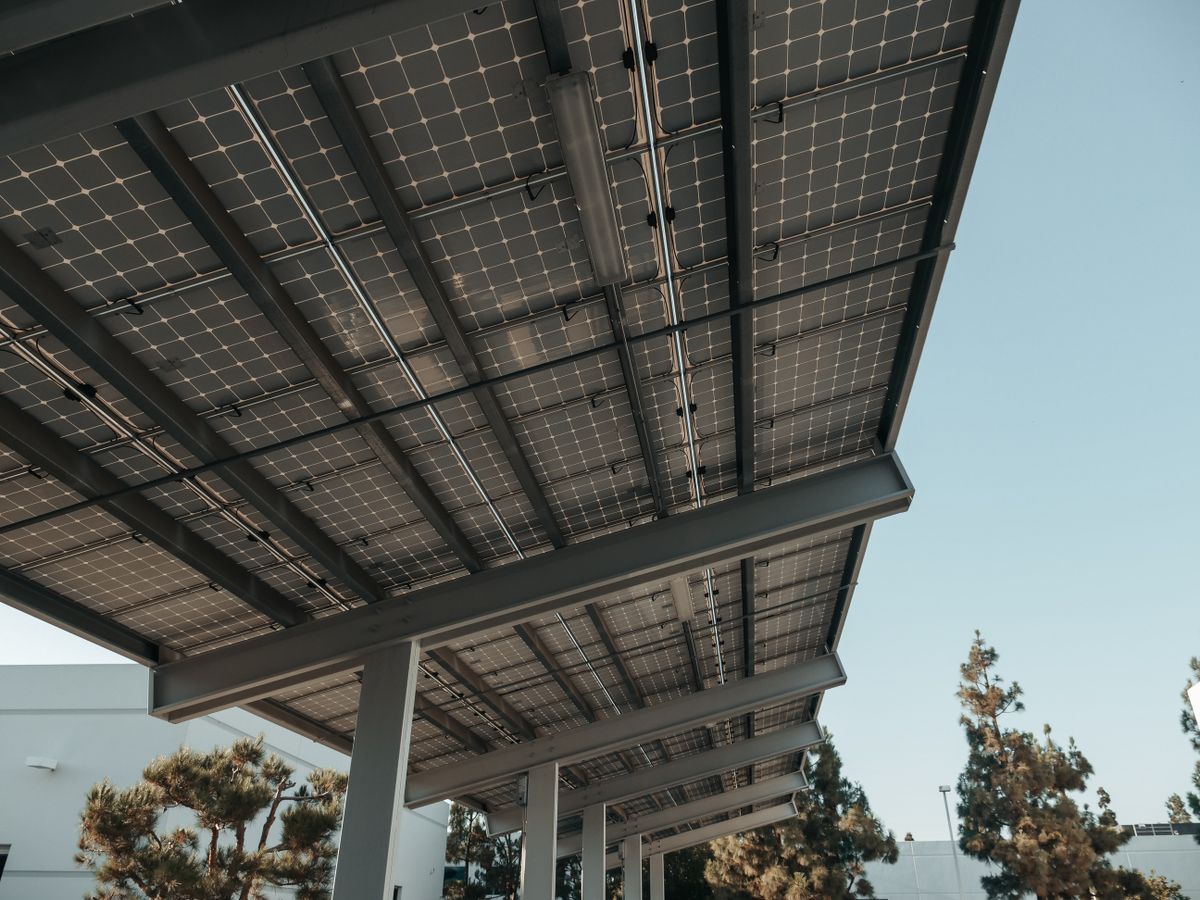
I want to revisit this because it's critical and most articles breeze past it.
Here's what winter actually does to your off-grid solar system:
Reduced sun hours. In Maine or Michigan in January, you might get 2–3 peak sun hours per day. That's less than half of what you get in June.
Snow on panels. A single snowstorm can cover your panels for days. Tilt angle matters — steeper panels (55–70°) shed snow much faster than flatter ones. I now mount my winter arrays at 60° tilt in Colorado.
Cold battery performance. Lead-acid batteries lose 20–40% capacity at 32°F and more below that. Even lithium loses some capacity below freezing. Keep your batteries insulated and, if possible, inside a temperature-controlled space.
Longer nights mean more lighting hours. December nights are 14+ hours in many parts of the US. Your lighting load goes up significantly just from the calendar.
The practical fix: Build your system around winter capacity. Accept that you'll have excess energy in summer — that's fine. Charging power tools, running a dehumidifier, or simply topping off batteries is better than running out in January. See our Solar Power for Chicken Coop Heater guide for a real-world winter solar case study with similar challenges.
Solar Charge Controller for Lithium Batteries: Why This Matters

A solar charge controller sits between your panels and your batteries. It prevents overcharging and manages the charging profile.
There are two types:
PWM (Pulse Width Modulation): Cheaper, simpler, but wastes energy. Works best only when panel voltage closely matches battery voltage. Fine for small, simple 12V systems.
MPPT (Maximum Power Point Tracking): Smarter, more efficient, tracks the optimal operating point of your panels continuously. Extracts 10–30% more power, especially in cold weather or partial shade.
For any cabin system over 200 watts, use MPPT. It pays for itself quickly.
For lithium batteries specifically: You need a charge controller that supports lithium charging profiles. Most modern MPPT controllers do, but always verify. Lithium batteries have a flat charge curve and require a CC/CV (constant current/constant voltage) profile — different from lead-acid. Setting the wrong charge profile on a lithium bank is a fast way to damage cells.
Victron, Renogy, and EPEver all make solid MPPT charge controllers that properly support LiFePO4 profiles. For maintenance tips, visit our Solar Maintenance Guide.
Real Appliance Wattage Numbers for Off-Grid Cabin Planning

Manufacturer specs are often optimistic. Here are real-world numbers from my own measurements with a Kill A Watt meter:
| Appliance | Rated Watts | Real-World Draw | Notes |
|---|---|---|---|
| LED bulb (10W rated) | 10W | 8–10W | Accurate |
| 12V compressor fridge (50L) | 45W | 35–50W | Cycles ~50% of time |
| Full-size refrigerator | 150W | 100–200W | Startup surge 600–900W |
| Laptop (15") | 65W | 45–75W | Varies with screen brightness |
| Phone charger | 20W | 5–18W | Fast charge draws more |
| Electric kettle | 1,200W | 1,100–1,300W | Use sparingly |
| Toaster | 900W | 850–1,000W | Short runtime |
| Coffee maker | 900W | 800–1,000W | Short runtime |
| Box fan | 50W | 40–65W | Speed dependent |
| Well pump (1/2 HP) | 750W | 700–800W | Surge to 1,500W on start |
| Washing machine | 500W | 400–600W | Surge higher |
| Small window AC (5,000 BTU) | 500W | 450–600W | Startup surge 1,200W+ |
| Mini-split AC (9,000 BTU) | 850W | 700–950W | More efficient |
| Electric space heater | 1,500W | 1,000–1,500W | Huge battery drain |
| Hair dryer | 1,800W | 1,500–1,875W | Keep use minimal |
Pay close attention to startup surge on pumps, AC units, and refrigerators. Your inverter must handle that spike or it will shut down — sometimes mid-cycle and sometimes permanently.
Off-Grid Water Well Pump Solar Sizing
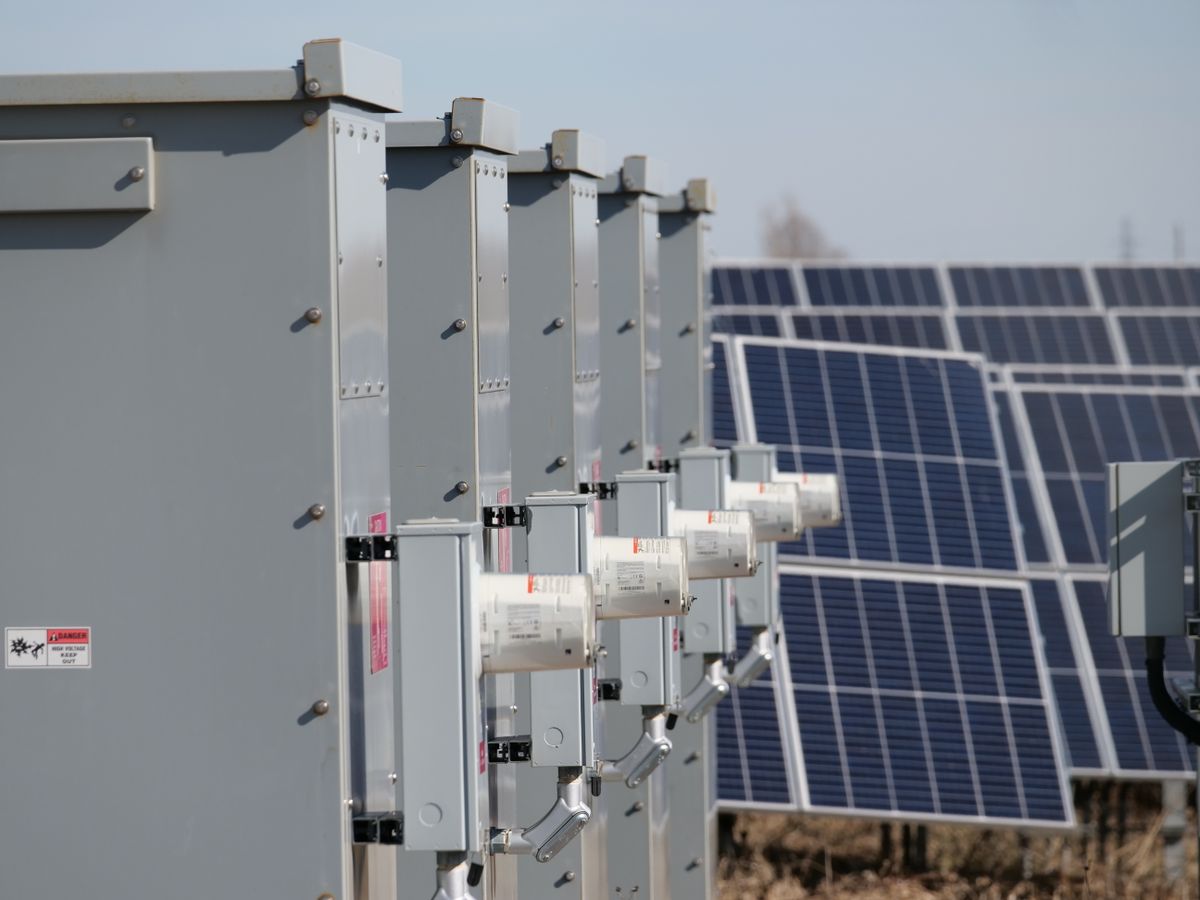
An off-grid water well pump is often the biggest single power draw in a cabin system aside from AC or heating.
A standard 1/2 HP submersible pump pulls about 750 watts running and surges to 1,500+ watts on startup. For a deep well (200+ feet), you might need a 3/4 HP or 1 HP pump — drawing 1,100–1,500 watts continuous.
Options to manage this load:
Pump to a holding tank during peak solar hours. Run the pump for 1–2 hours midday when you have excess solar power. Store 200–500 gallons and gravity-feed or use a small pressure pump from there. This eliminates the need to size your entire system around the well pump's peak draw.
Use a DC well pump. There are 12V, 24V, and 48V DC well pumps that work directly off your battery bank or panels without going through an inverter. They're typically more efficient and have much lower startup surges.
Size your inverter for the pump surge. If you're running a standard AC well pump through an inverter, the inverter must handle the startup surge. A 3,000W inverter handles a 1/2 HP pump surge. A 5,000W handles a 1 HP pump.
Beginner's Free Solar Calculator for Off-Grid Cabin — Simple Tool Method

If you don't want to do all the math manually, there are free online solar calculators that can help. Here's how to use them effectively:
What to have ready before using any solar calculator:
- Your complete appliance list with wattages and hours of use per day
- Your location or ZIP code (for PSH lookup)
- Your battery chemistry preference (lithium or lead-acid)
- Your desired days of autonomy (2–4 is typical)
- Your budget range
Good free tools to try: Renogy's off-grid solar calculator, Victron MPPT Calculator, and the NREL PVWatts Calculator for sun hours data. You can also use our own Solar Calculator on the Home Page.
Important warning about online calculators: Most online solar calculators give you baseline numbers. They often don't account for inverter inefficiency (typically 85–95%), charge controller losses (3–5%), wiring losses (2–5%), or battery round-trip efficiency (85–95% for lithium, 70–80% for lead-acid).
Always add 25–30% to whatever the calculator tells you. That buffer is what stands between you and a dead battery bank at midnight. For savings projections alongside your system sizing, try our Solar Monthly Savings Calculator.
Battery Runtime Examples for Common Cabin Scenarios

Let's get practical. Here's how long a 200Ah lithium battery bank (at 12V = 2,400Wh usable at 85%) lasts with different cabin setups:
| Scenario | Daily Draw | Runtime from 200Ah Lithium |
|---|---|---|
| Minimal use (lights, phone charging) | 300 Wh | ~8 days |
| Weekend cabin (lights, fridge, laptop, fan) | 1,500 Wh | ~1.6 days |
| Full-time small cabin (no AC) | 2,500 Wh | ~1 day |
| Small cabin with window AC (8 hrs/day) | 6,500 Wh | ~9 hours |
This shows why running an air conditioner completely changes the system you need. A weekend getaway battery bank is totally inadequate for cooling.
For overnight backup on a typical 1,500 Wh/day cabin, a single 200Ah lithium battery gets you through the night with room to spare. For multiple cloudy days, you need 3–4× that capacity. See our Battery Storage Guide for full sizing tables.
How to Size an Off-Grid Solar System Step by Step for a Tiny Cabin
Let's run through a complete real-world example for a 300 sq ft off-grid tiny cabin in Tennessee, used year-round by one person.
Load List:
- 4 LED lights: 40W × 5 hrs = 200 Wh
- 12V mini fridge: 40W × 24 hrs = 960 Wh
- Laptop: 65W × 5 hrs = 325 Wh
- Phone + tablet charging: 25W × 3 hrs = 75 Wh
- Water pump (intermittent): 150W × 0.5 hrs = 75 Wh
- Fan: 30W × 8 hrs = 240 Wh
- Small TV: 50W × 2 hrs = 100 Wh
Total daily: 1,975 Wh. With 20% buffer: 2,370 Wh/day.
Tennessee winter PSH: ~4 hours
Panel sizing:
2,370 Wh ÷ 4 hrs = 592W minimum → Use 800W of panels (four 200W panels)
Battery sizing (3 days autonomy, lithium):
2,370 × 3 = 7,110 Wh ÷ 0.85 = 8,365 Wh total
At 24V: 8,365 ÷ 24 = 348 Ah → Two 200Ah lithium batteries at 24V (= 400Ah)
Inverter sizing:
Peak simultaneous load: ~450W continuous, largest surge from water pump at ~450W startup
Use a 1,500W pure sine wave inverter for comfortable headroom.
Charge controller:
800W panels ÷ 24V = 33A → Add 25% → Need 40A MPPT charge controller
Final system: 800W panels + 400Ah lithium at 24V + 1,500W inverter + 40A MPPT controller
This is a solid, real-world system that handles the cabin comfortably year-round. For small home solar setups with similar sizing logic, see our Solar Panel Calculator for Small House.
Seasonal Solar Comparisons: Summer vs. Winter Output
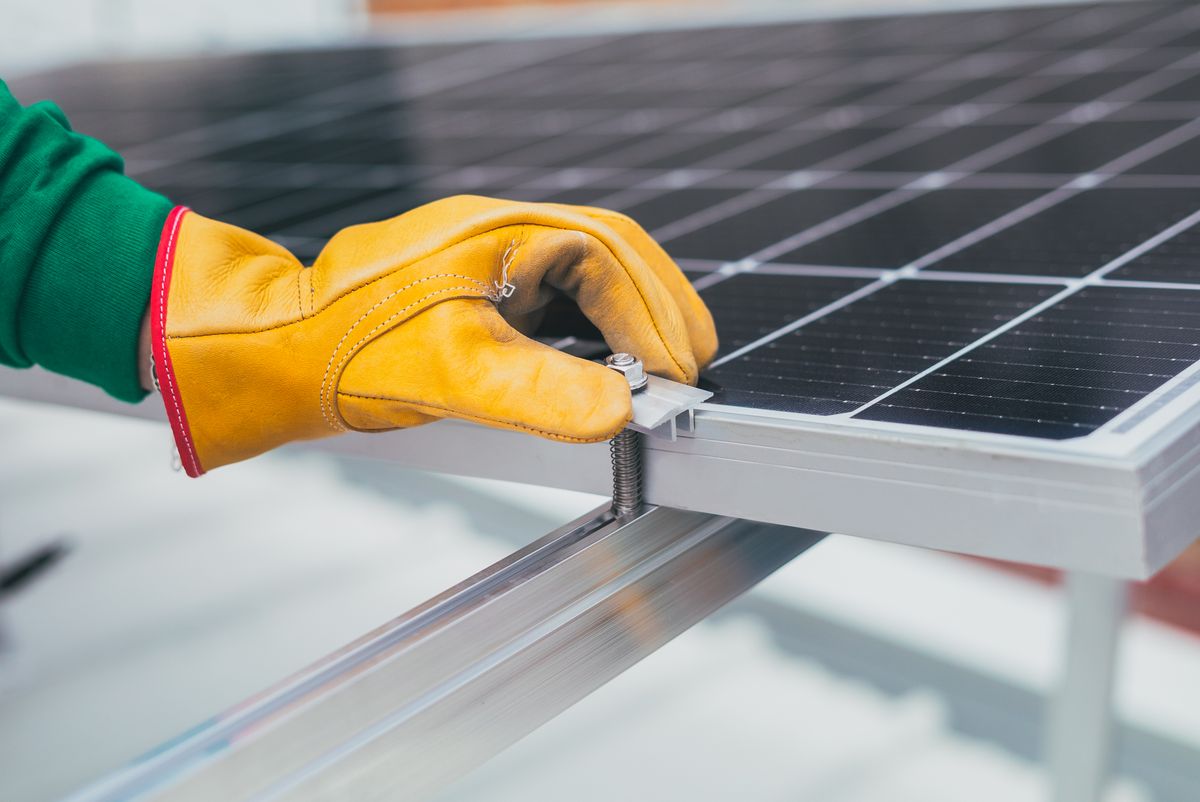
Here's the stark reality of seasonal solar production at three representative US locations:
| Location | June PSH | December PSH | Production Drop |
|---|---|---|---|
| Phoenix, AZ | 7.5 hrs | 5.5 hrs | 27% lower |
| Nashville, TN | 5.5 hrs | 3.5 hrs | 36% lower |
| Portland, OR | 5.0 hrs | 1.5 hrs | 70% lower |
| Minneapolis, MN | 5.0 hrs | 2.5 hrs | 50% lower |
| Burlington, VT | 4.5 hrs | 2.0 hrs | 56% lower |
If you're in the Pacific Northwest and you size for summer sun, you'll face brutal winters with your panels producing barely a third of rated capacity. Portland off-grid solar requires either a significantly oversized array, a backup generator, or very conservative winter power use.
The Southwest is the most forgiving. Even in December, Arizona gets over 5 peak sun hours — which is why so many full-time off-grid homesteaders settle in New Mexico, Arizona, and southern Nevada. Run state-specific numbers using our Solar Calculator USA.
DIY Solar Battery Bank for Off-Grid Cabins: Build vs. Buy

Should you buy pre-built batteries or build your own DIY battery bank from cells?
Buy pre-built if:
- You're new to electrical systems
- You want a warranty and technical support
- You value plug-and-play simplicity
- Budget is secondary to reliability
DIY battery bank if:
- You're comfortable with electronics
- You want maximum capacity per dollar
- You're willing to build or buy your own BMS (Battery Management System)
- You understand the safety risks
DIY lithium battery packs can be built from raw lithium iron phosphate cells (popular brands: EVE, CATL, CALB). You buy the cells, assemble them in series/parallel, and pair with a quality BMS.
A DIY 280Ah LiFePO4 pack at 12V from raw cells runs roughly $400–$600 in parts. A comparable pre-built pack from a brand-name manufacturer runs $700–$1,000.
Safety note: Lithium cells store enormous amounts of energy. A short circuit can cause fire. If you're building a DIY bank, educate yourself thoroughly on safe assembly, use a proper BMS, fuse everything correctly, and never work alone. Review our Engineering Disclaimer for safety liability information.
What Happens to Your Off-Grid Cabin During Extended Cloudy Weather?

This is the scenario that keeps off-grid cabin owners up at night. Three, four, five cloudy days in a row — panels barely producing, batteries slowly draining.
Here's what actually happens and what to do about it:
Day 1–2 (minimal solar production): If you sized for 3 days of autonomy, you're drawing from your stored reserves. Reduce discretionary loads. Skip the TV. Use the laptop less. The fridge and lights are non-negotiable.
Day 3 (battery at 30–40%): Time to get strategic. If you have a generator, this is when you run it — briefly, to top off batteries. Even 2 hours of generator charging can restore 50% of a depleted bank.
Day 4+ (emergency territory): If you're here without a generator, you're going to start making hard choices. Unplug the fridge. Use candles or battery-powered lights. Save your remaining battery for the water pump and phone charging.
The honest advice: For any cabin you use regularly, buy a small gas generator as backup. A 2,000-watt inverter generator (Honda EU2200i or a comparable unit) weighs under 50 pounds, runs quietly, and can charge a 200Ah lithium battery from 20% to 90% in 3–4 hours. It's insurance for the weather you can't control. Monitor live production vs. consumption with our Smart Monitoring Solutions.
Off-Grid Cabin Solar Setup for Beginners: Common Mistakes to Avoid
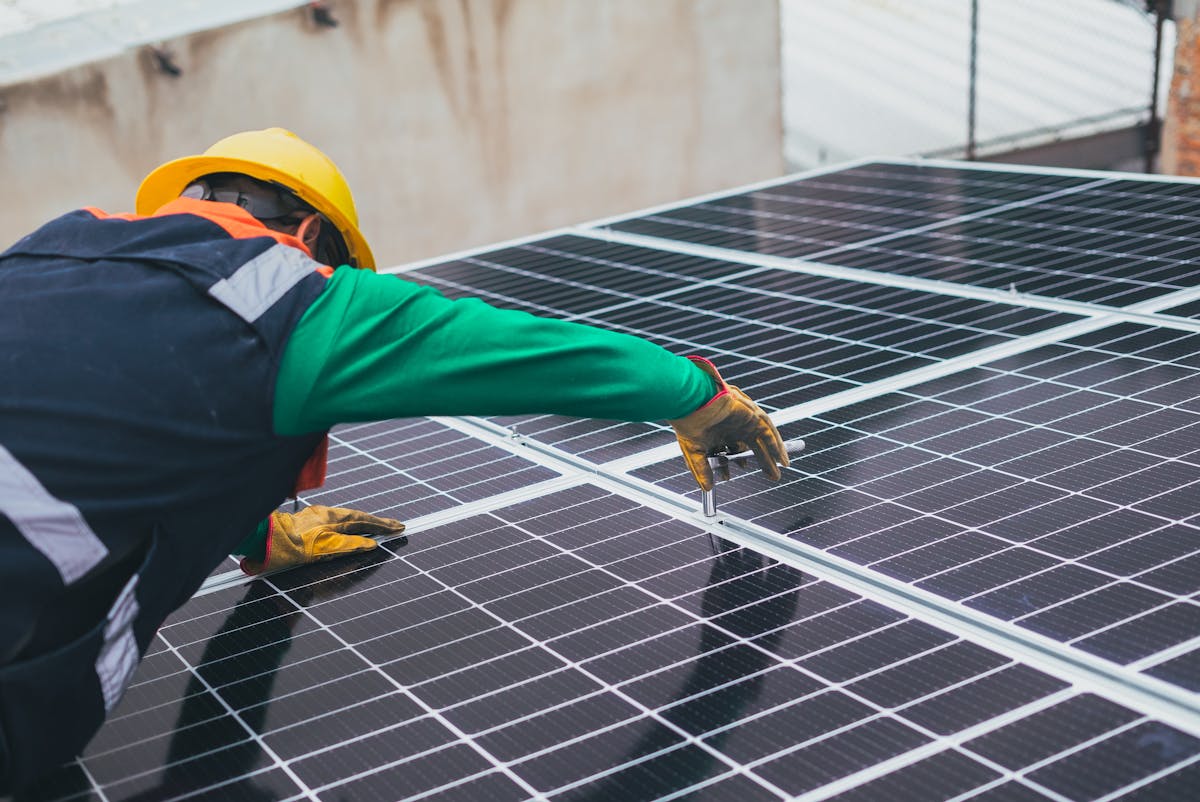
Mistake 1: Buying the cheapest panels and batteries.
You get what you pay for. Cheap panels often have lower actual output than rated, degrade faster, and sometimes have unsafe tolerances. Reputable brands for panels: Renogy, Rich Solar, Canadian Solar, Jinko, and LG.
Mistake 2: Using the wrong wire gauge.
Undersized wire causes voltage drop and heat. Too much wire resistance and your batteries never fully charge. Use a wire gauge calculator or the standard tables — 10 AWG for runs under 10 feet at 30A, 8 AWG for longer runs, 4–6 AWG for battery connections.
Mistake 3: Skipping the fuse or breaker on each circuit.
A short circuit in an unfused lithium system can cause a catastrophic fire. Fuse everything — panels to charge controller, charge controller to battery, battery to inverter. Use appropriately rated DC fuses or breakers. See our Terms of Service for safety liability information.
Mistake 4: Ignoring panel orientation.
Panels facing south at the correct tilt angle for your latitude produce significantly more power than randomly placed panels. Even a 20° error in azimuth costs you 5–10% of production.
Mistake 5: Not accounting for shade.
Even partial shade on one cell of a panel can drop the entire panel's output by 50–80% if you don't have bypass diodes (most quality panels do). One tree branch shadow can cripple your array. Position panels where they get clear sky from 9 AM to 3 PM at minimum.
Mounting Solar Panels on a Cabin Roof: What You Need to Know
Roof mounting looks clean and gets panels up high and away from shade. But there are real tradeoffs.
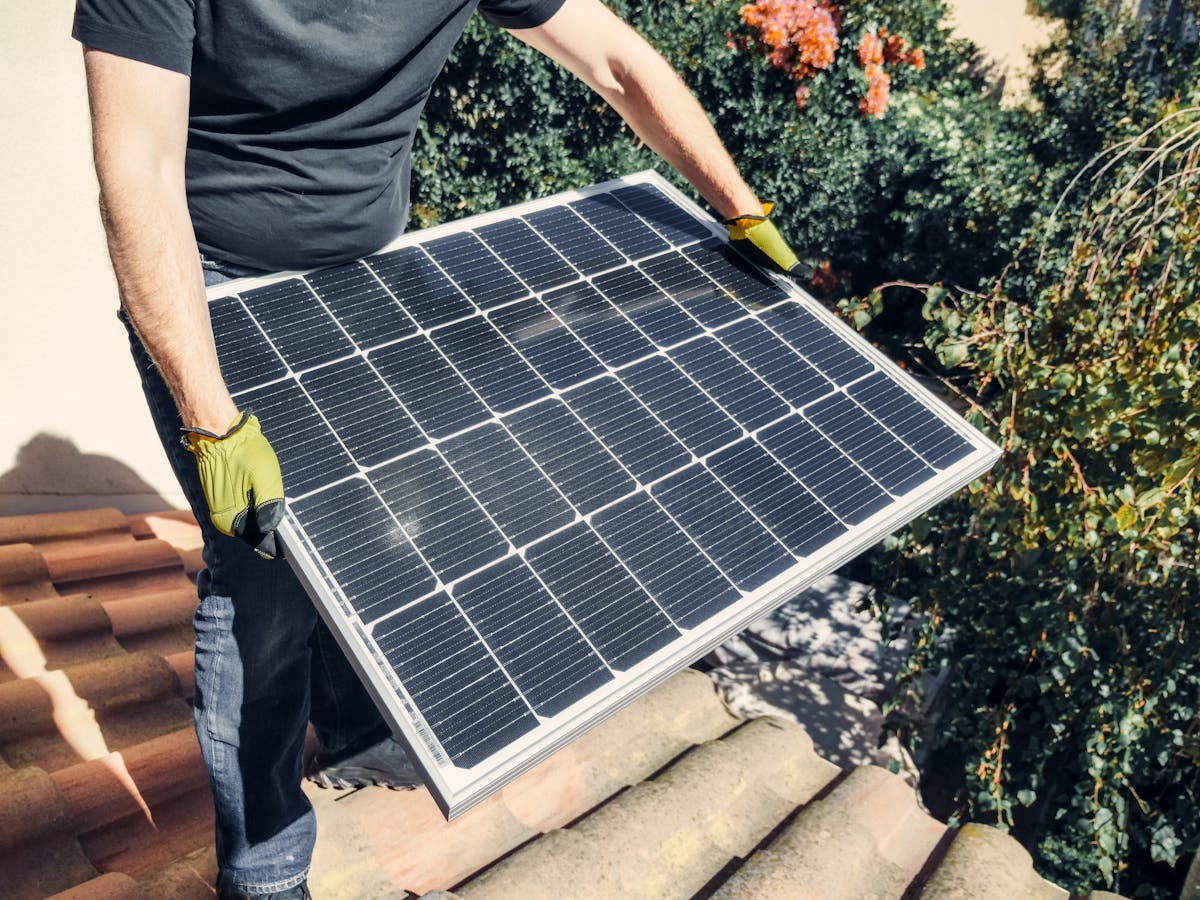
Structural considerations: Solar panels and their racking weigh 3–4 lbs per square foot. Before mounting, confirm your roof can handle the added load — especially under snow. Most cabin roofs can handle it, but metal roofs and steeply pitched roofs need specific mounting hardware.
Tilt angle: For fixed roof mounts, aim for a tilt angle roughly equal to your latitude. Nashville at 36°N? 35–40° tilt is ideal. But if you want to optimize for winter production, go 10–15° steeper.
Waterproofing: Every roof penetration is a potential leak. Use proper flashing, lag bolts into rafters, and seal all penetrations with roofing sealant. I've seen entire cabin roofs damaged from improper panel mounts.
Ground mounting is often a better option for off-grid cabins. It costs a bit more in racking hardware, but you can adjust tilt angle seasonally, clean panels easily, and add or move panels without touching your roof. For maintenance schedules, visit our Solar Maintenance Guide.
FAQ: Solar Calculator Off Grid Cabin — Your Real Questions Answered

How many solar panels do I need for an off-grid cabin?
Most small off-grid cabins need 400–1,600 watts of solar panels. A minimal weekend-use cabin might get by with 400–600W. A full-time single-person cabin needs 800–1,200W. A cabin with AC needs 2,000–4,000W or more. Use the panel sizing formula: Daily Wh ÷ PSH = minimum watts, then add 25% margin.
What size battery bank should I use?
For a small cabin using ~2,000 Wh/day, a 200Ah lithium battery at 24V gives you roughly one day of storage. For 3 days of autonomy, you need 400–600Ah at 24V. Lead-acid users should double these numbers since only 50% of lead-acid capacity is usable.
Can I run an air conditioner on cabin solar power?
Yes, but it dramatically increases system size and cost. A 9,000 BTU mini-split running 8 hours adds 5,600–7,600 Wh to your daily load. You'll need at minimum 3–4kW of solar, a 200–400Ah lithium bank at 48V, and a 3,000–5,000W inverter.
What is the best battery for off-grid solar?
Lithium iron phosphate (LiFePO4) is the best choice for off-grid cabin solar. It lasts 3,000–5,000 cycles, charges and discharges efficiently, tolerates partial states of charge without damage, and is significantly safer than other lithium chemistries. Top brands: Battle Born, Epoch, SOK, Renogy, and Ampere Time.
How do I calculate cabin energy usage?
List every appliance, its wattage, and hours of use per day. Multiply watts × hours to get Wh per day for each appliance. Sum all appliances and multiply total by 1.2 to account for system inefficiencies. That's your daily energy target.
Can a 5kW solar system power a cabin full time?
Absolutely — for most cabins. A 5kW off-grid solar system paired with a 400Ah lithium battery bank at 48V and a 5,000W inverter handles a well-appointed 800–1,200 sq ft cabin with all standard appliances including laundry and well pump. In the Southwest, it can even handle light AC use.
How many batteries do I need for overnight power?
For a typical 1,500–2,000 Wh/day cabin with 10 hours of overnight darkness, you need 1,500–2,000 Wh of usable storage. A single 200Ah lithium battery at 12V gives you 2,040Wh usable — just enough. Two batteries give you comfortable overnight margin.
What happens during cloudy weather?
Your panels produce 10–30% of rated capacity on overcast days. On completely cloudy winter days, output can drop to near zero. Your battery bank absorbs the gap. After 2–4 days with minimal sun (depending on your battery bank size), you'll need to either conserve heavily or run a backup generator to recharge.
Is lithium better than lead-acid for off-grid cabins?
Yes, for most off-grid applications. Lithium costs more upfront but lasts 5–10× longer, handles partial charging without damage, delivers full rated capacity in cold conditions better than lead-acid, charges faster, and requires zero maintenance. Over a 10-year period, lithium is almost always cheaper per kWh of storage.
What size inverter should I buy for a cabin solar system?
Size your inverter to handle everything running simultaneously plus surge capacity for your largest motor. A typical small cabin needs 1,000–2,000W continuous. A cabin with a well pump or washing machine needs 2,000–3,500W. Always buy a pure sine wave inverter — modified sine wave damages sensitive electronics.
Quick Reference: Off-Grid Cabin Solar Sizing Cheat Sheet
System sizing formula flow:
- Daily Wh × 1.2 = Real Daily Need
- Real Daily Need ÷ PSH × 1.25 = Panel Wattage
- Real Daily Need × Autonomy Days ÷ Usable % = Battery Wh Needed
- Battery Wh ÷ System Voltage = Battery Ah Needed
- Max Continuous Load + Motor Surge = Inverter Rating
- Panel Wattage ÷ System Voltage × 1.25 = Charge Controller Amps
Typical system sizes by cabin type:
| Cabin Type | Solar Array | Battery Bank | Inverter |
|---|---|---|---|
| Minimal weekend (no fridge) | 200–400W | 100Ah 12V lithium | 500–1,000W |
| Weekend cabin (fridge, lights) | 400–800W | 200Ah 24V lithium | 1,000–1,500W |
| Full-time small cabin (no AC) | 800–1,200W | 400Ah 24V lithium | 2,000W |
| Full-time cabin with AC | 3,000–5,000W | 400Ah 48V lithium | 5,000W |
Building an off-grid cabin solar system that actually works isn't magic — it's math, honest load assessment, and sizing for your worst case. Take the time to run your numbers carefully. Accept that the battery bank and panels almost always need to be bigger than your first estimate.
And learn from my mistakes: don't undersize the batteries, don't skip the MPPT controller, and don't plan for July sun when you're using the cabin in December.
Get those numbers right from the start, and your cabin solar setup will reward you for years. Ready to run your numbers? Try our Solar Calculator or browse all our resources in the Solar Guides section.
The single most important thing you can do before spending a dollar on solar equipment is build an honest load list.
Not a guess. Not a wish list. A real, appliance-by-appliance accounting of every watt you plan to use and every hour you plan to use it.
That single document drives every other decision: how many panels, how big a battery bank, what size inverter, what charge controller amperage. Get the load list right and the rest falls into place.
This article reflects real-world experience building and living with off-grid solar systems across Colorado, Nevada, New Mexico, and Tennessee. Calculations shown are examples — always run your own numbers based on your specific location, appliances, and usage patterns.