Is Solar Worth It in 2026?
Table of Contents
- 1. Introduction
- 2. The 2026 State of Residential Solar
- 3. The Real Math: How to Calculate Your Solar ROI
- 4. Solar Payback Period
- 5. State-by-State Solar Economics
- 6. Is Solar Worth It in California After NEM 3.0?
- 7. Is Solar Worth It in Texas?
- 8. Florida Solar Savings in 2026
- 9. Arizona and Nevada: The Sun Belt Advantage
- 10. The 30% Federal Tax Credit Explained
- 11. Solar Financing vs. Paying Cash
- 12. Are Solar Panels Getting Cheaper in 2026?
- 13. Solar Battery Storage: Real ROI or Hype?
- 14. 8 Mistakes Homeowners Make Before Going Solar
- 15. When Solar Does NOT Make Sense
- 16. FAQ
- 17. The Bottom Line
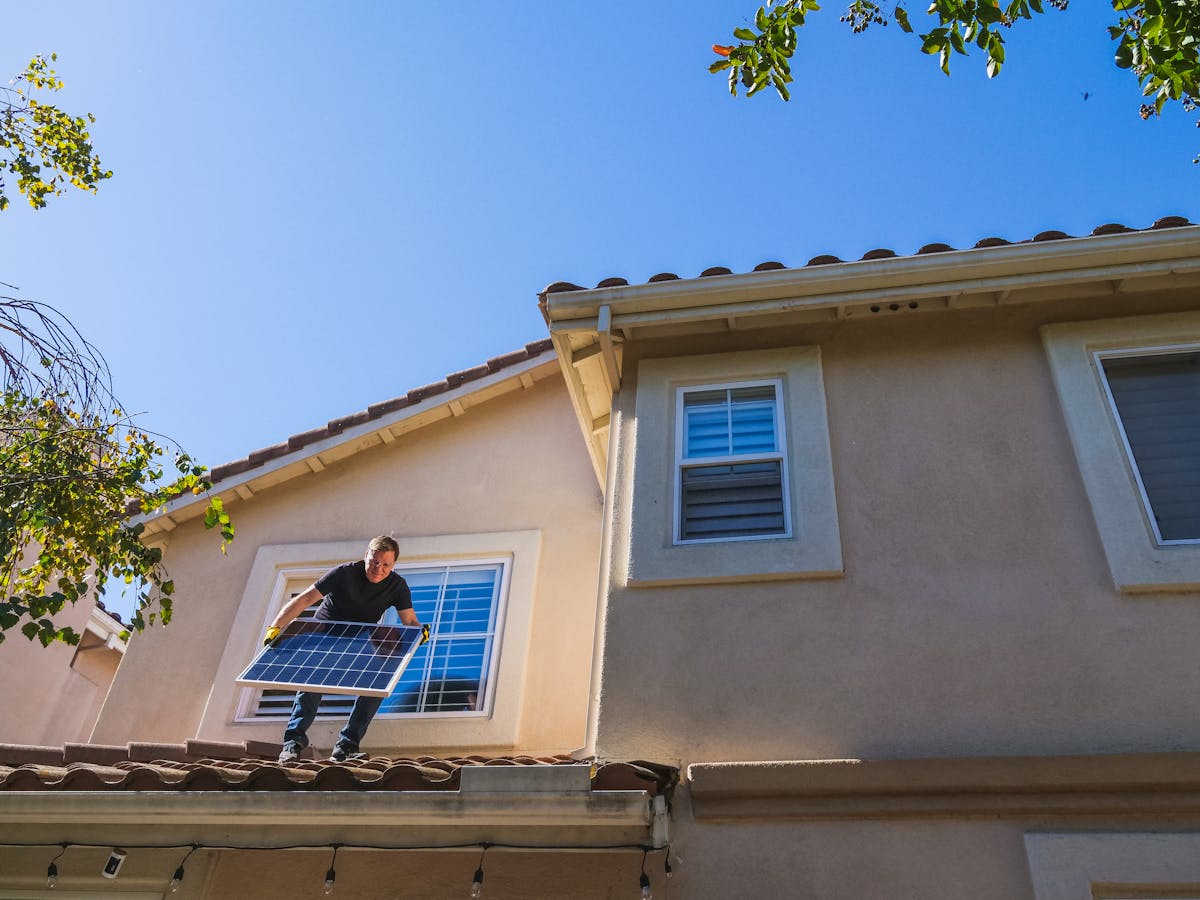
Your electric bill hit $280 last month. A solar salesman knocked on your door promising you'll never pay the utility again. Your neighbor just had panels installed and swears they're saving money. And somewhere on Reddit, someone is calling solar a total scam.
Who do you believe?
I've been advising homeowners on residential solar for years. I've reviewed hundreds of real electric bills, walked through actual installations, and watched families make great decisions — and terrible ones. This is everything I'd tell a friend sitting across from me at my kitchen table.
The short answer: yes, solar is still worth it in 2026 for most American homeowners — but only when you do the math correctly first.
The 2026 State of Residential Solar in the USA

Here's the single most important number you need to know: the average American homeowner who went solar between 2020 and 2024 is saving between $1,200 and $1,800 per year on electricity. That's not a marketing promise — that's from actual billing comparisons.
At the same time, solar panel prices have dropped dramatically. A typical 8–10 kW home solar system that cost $35,000 five years ago now runs $22,000–$27,000 before incentives. After the 30% federal tax credit, you're often looking at $15,400–$18,900 out of pocket.
- Average cost per watt: $2.70 installed
- Federal tax credit: 30%
- Typical payback period: 7–10 years
- Average 10 kW system cost: ~$24,000 before incentives
Electricity rates across the US have climbed 28% in the past five years. That trend isn't reversing. When your solar array locks in your effective electricity cost at near-zero for 25+ years, you're buying the next quarter century of power at 2026 prices. That's a hedge most financial advisors would kill for. For broader US solar context, see our Solar Calculator USA.
What's Changed in the Residential Solar Market for 2026
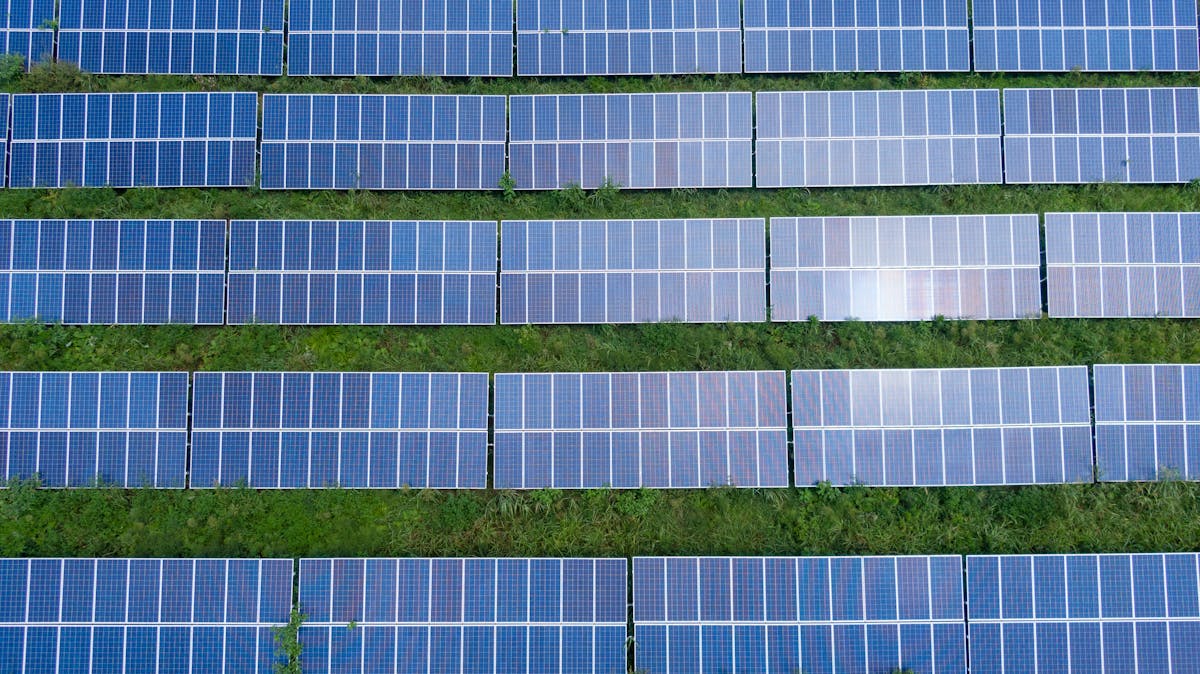
Panel efficiency has meaningfully improved. Today's mainstream panels convert 21–23% of sunlight into electricity, compared to 17–19% just five years ago. Smaller arrays now produce more power on the same roof space.
Microinverters and power optimizers are nearly standard now, giving homeowners real-time monitoring and eliminating the single-point-of-failure problem older systems had.
Battery storage integration is also dramatically more affordable. A Powerwall-style battery that cost $12,000 installed in 2021 is now available from multiple manufacturers for $8,000–$10,000 installed — and qualifies for the same 30% federal tax credit as the panels themselves. Learn more in our Battery Storage Guide.
The Real Math: How to Calculate Solar Panel Savings

Most people skip this step entirely. They get a quote, see the 30% tax credit, and assume it's a slam dunk. Sometimes it is. But you need to run your own numbers, not the installer's numbers.
Step 1: Know Your Actual Annual Electricity Usage
Pull 12 months of electric bills. Add up the kilowatt-hours (kWh) used each month — not the dollar amount, the kWh. Most American homes use between 10,000 and 14,000 kWh per year.
Step 2: Know What You're Actually Paying Per kWh
Divide your average monthly bill by the kWh used that month. Many people assume they pay 12–13 cents per kWh because that's the national average. But after delivery charges, demand fees, and taxes, most homeowners' all-in rate is 15–22 cents per kWh. In California and New England, I routinely see 28–38 cents. Use our Monthly Savings Calculator to estimate your exact rate impact.
Step 3: Estimate Annual Solar Production
Use the NREL PVWatts tool. Enter your zip code, system size, and roof orientation. It'll give you a realistic kWh production estimate. Don't use the installer's spreadsheet first — use an independent source.
Step 4: Factor In Rate Escalation
Electricity rates have risen about 3% per year historically. Your solar savings grow each year as the grid gets more expensive. A system saving you $1,500 today will save you $2,400/year in year 15. Over a 25-year panel lifespan, a homeowner saving $1,500/year at a 3% escalation rate accumulates roughly $51,000 in total savings — on a system they paid $17,000 for after incentives.
Real Calculation Example — Phoenix, AZ (10 kW System):
Solar Payback Period: What's Actually Realistic in 2026

The solar payback period is the single most important number in your decision. Everything else is noise.
The payback formula: Net system cost after incentives ÷ Annual electricity savings = Payback years. Don't let anyone complicate it more than that until you've nailed down those two numbers.
Nationally, the average residential solar payback period in 2026 sits at 7–10 years for cash purchases after the federal tax credit. In high-rate states like California, Massachusetts, and New York, payback can be as short as 5–7 years. In low-rate states like Louisiana and Utah, it stretches to 10–13 years.
What Shortens Your Payback Period
- High electric rates (above 16¢/kWh)
- Strong net metering policy in your state
- High solar production (Southwest, Southeast)
- State-level rebates on top of the federal credit
- Paying cash rather than financing
- Getting 3+ competitive bids
What Lengthens Your Payback Period
- Low electric rates (below 10¢/kWh)
- Weak or eliminated net metering
- Shaded or north-facing roof
- High-interest solar loan
- System oversized for your actual usage
- Using a solar lease or PPA
State-by-State Solar Economics: Where Solar Makes the Most Sense

Solar profitability varies enormously by state. It's not just about sunshine — it's about electricity rates, net metering rules, and state incentives. Some of the best solar markets aren't even in the Sun Belt.
| State | Avg. Rate | Avg. Payback | 25-Year Savings | Rating |
|---|---|---|---|---|
| Massachusetts | 28¢/kWh | 5–7 years | $55,000+ | Excellent |
| California | 30¢+/kWh | 6–9 years | $50,000–70,000 | Excellent* |
| Arizona | 14¢/kWh | 7–9 years | $35,000–50,000 | Excellent |
| Nevada | 13¢/kWh | 8–10 years | $30,000–45,000 | Very Good |
| New York | 22¢/kWh | 6–8 years | $45,000–60,000 | Excellent |
| Florida | 15¢/kWh | 8–11 years | $28,000–42,000 | Good |
| Texas | 13¢/kWh | 9–12 years | $25,000–38,000 | Good |
| Colorado | 14¢/kWh | 9–12 years | $28,000–38,000 | Good |
| Louisiana | 10¢/kWh | 12–15 years | $15,000–22,000 | Fair |
| Oklahoma | 11¢/kWh | 11–14 years | $16,000–24,000 | Fair |
*California figures reflect NEM 3.0 changes — see below
Is Solar Worth It in California in 2026? The NEM 3.0 Reality
California is complicated right now, and anyone who tells you otherwise is either ignorant or trying to sell you something fast.
NEM 3.0 — Net Energy Metering 3.0 — rolled out in April 2023 and fundamentally changed the economics of California solar. Under the old rules, you exported excess solar power and got credited at nearly the retail rate. Under NEM 3.0, those export credits dropped by roughly 75% for most utilities.
That's a massive hit to the savings equation. The California solar payback period jumped from 5–6 years under NEM 2.0 to 9–12 years for the same system. For more on California-specific solar sizing, see our full Solar Calculator for California Home.
How California Homeowners Adapt to NEM 3.0
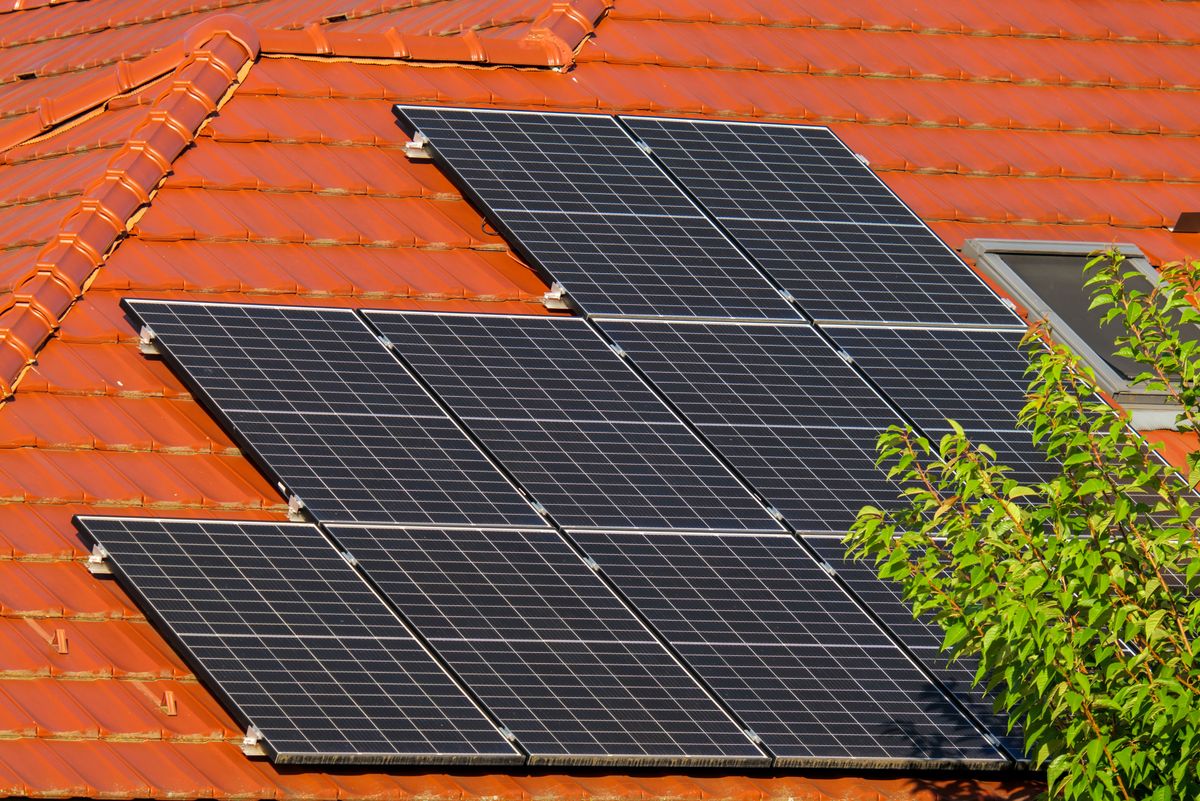
The answer is battery storage. Under NEM 3.0, the financial incentive shifts from exporting power to consuming it yourself. A battery stores midday solar production for evening use — dramatically increasing your self-consumption ratio and slashing the expensive grid imports you'd otherwise pay 30–40 cents per kWh for.
California Case Study — San Diego (10 kW System + 13.5 kWh Battery):
Lesson: In California today, battery storage isn't optional — it's the ROI strategy.
Is solar still worth it in California? Yes — especially with SDG&E, PG&E, and SCE rates continuing to climb. But the system design must be optimized for self-consumption, not export. Track your system's performance with Smart Monitoring Solutions.
Is Solar Worth It in Texas in 2026? And Are Solar Batteries Worth It?

Texas is a fascinating solar market — and February 2021's Winter Storm Uri proved something important: in Texas, the question isn't just about electricity bills. It's about reliability.
Texas has no statewide net metering mandate. Export compensation varies wildly by utility. In most of the state served by ERCOT, you'll get wholesale pricing (3–5 cents per kWh) for exported power, not retail (around 13 cents). That changes your math significantly.
Without a battery, a Texas homeowner typically sees payback periods of 10–13 years. The key is sizing your system to match daytime consumption rather than oversizing for export credit that barely pays. For Texas-specific sizing, see our Solar Calculator for Texas Home.
Are Solar Batteries Worth It in Texas?
Pure financial ROI on a battery alone in Texas is borderline. A 13.5 kWh battery running $9,000–$11,000 installed (after the tax credit, ~$6,300–$7,700) typically saves a Texas homeowner $400–$700/year in additional electricity costs. That's a 10–15 year payback on the battery alone.
But here's the Texas equation most people miss: if you were one of the 4.5 million households that lost power during Winter Storm Uri — for days, in freezing temperatures — a battery backup isn't just a financial tool. It's a safety investment. Many Texas families price that peace of mind at far more than $700/year.
Texas Case Study — Houston Area (8 kW System, No Battery):
Is Solar Worth It in Florida in 2026?
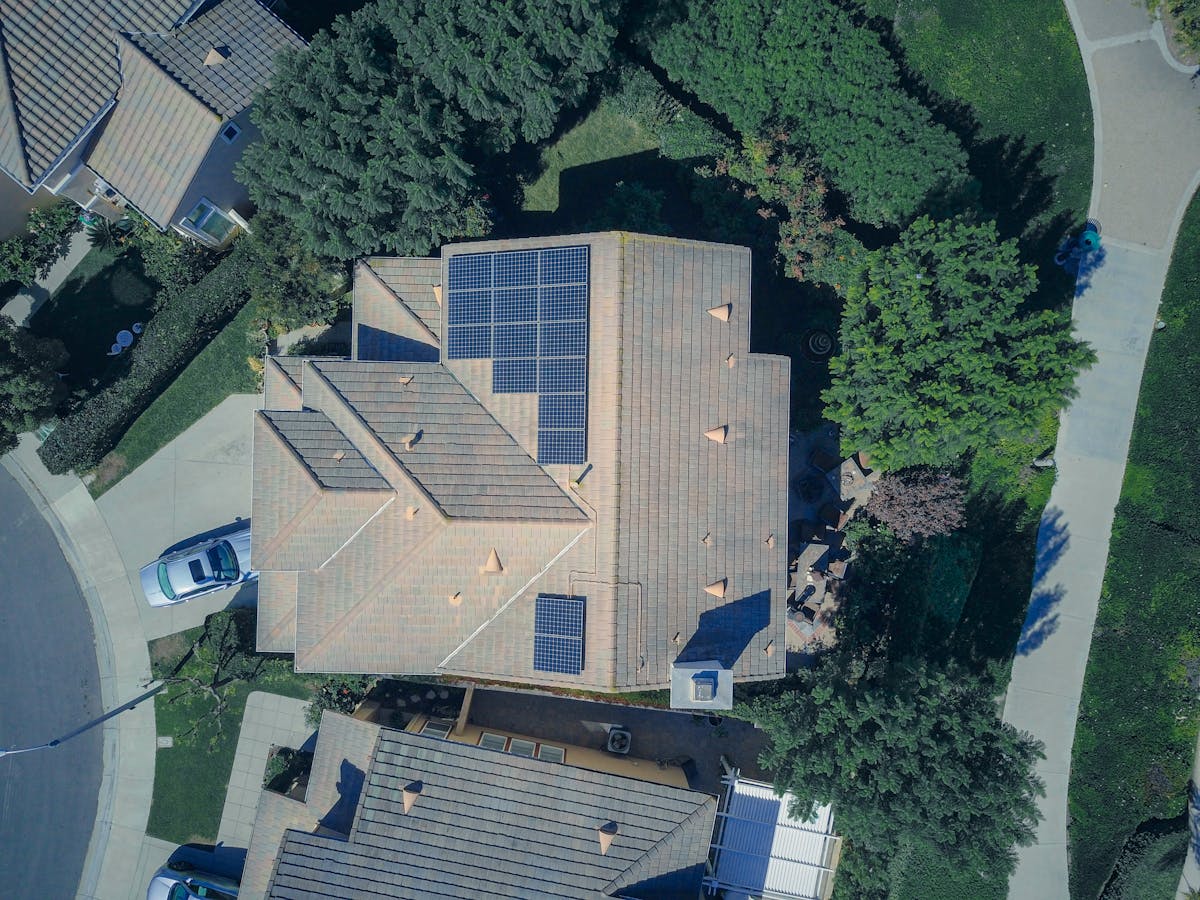
Florida is one of the most overlooked solar markets in the country. A typical Florida home produces 1,500–1,600 kWh per kW of installed capacity annually. A 9 kW system generates roughly 14,000 kWh per year — enough to cover most households completely.
Florida maintains full retail net metering through at least 2029, meaning you still get credited at the retail rate for power you export. That significantly improves ROI compared to California or Texas.
Florida also has no state income tax and no state sales tax on solar equipment. And Florida homeowners cannot be denied HOA approval for solar panels under state law — a meaningful obstacle removed.
Florida Case Study — Orlando Area (9 kW System, Duke Energy Florida):
Hurricane resilience is another factor. Pairing solar with a battery in Florida increasingly makes sense not just financially but practically — storm outages can last days to weeks in some areas.
Arizona and Nevada: Where Solar ROI Gets Really Interesting
Is Solar Worth It in Arizona in 2026?
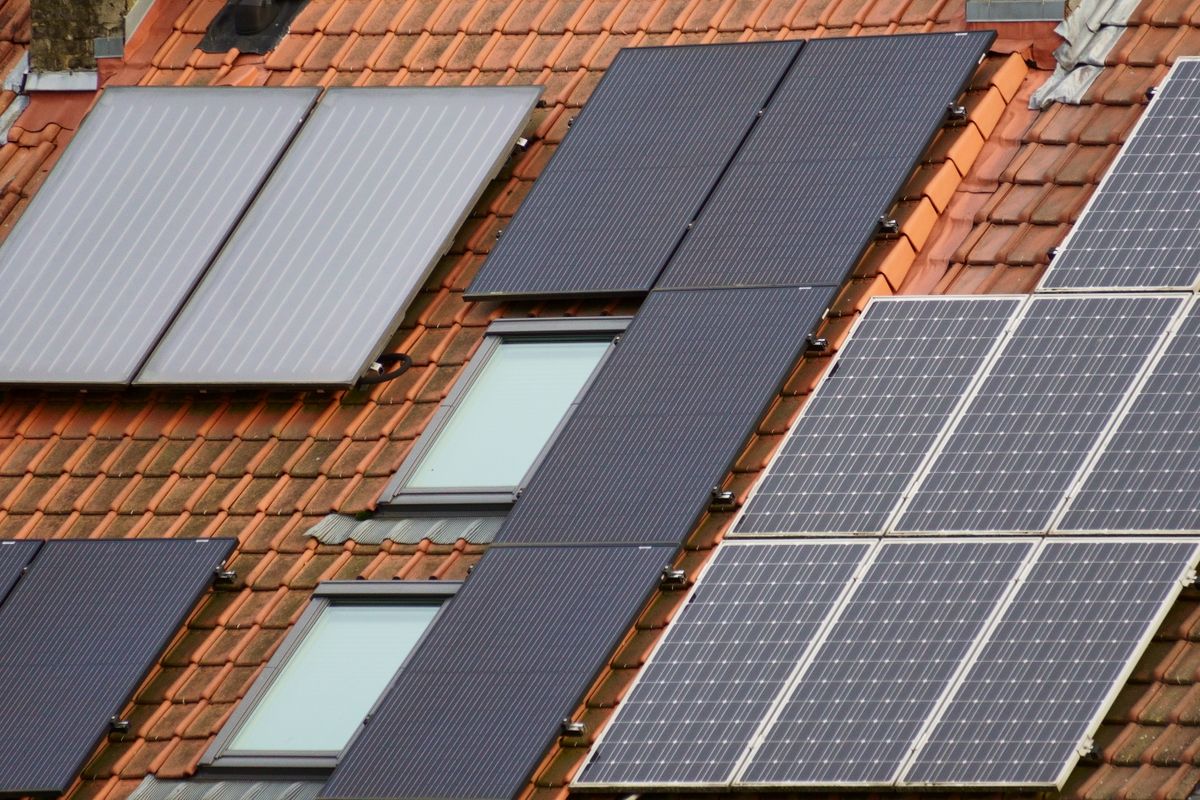
Arizona averages 300+ sunny days per year, and summer electricity bills can hit $400–$500/month for homes running heavy air conditioning. That creates tremendous solar opportunity.
Phoenix gets roughly 1,750–1,800 peak sun hours per year. A 10 kW system produces around 17,500–18,000 kWh annually. Combined with APS and SRP rates that have been climbing steadily, Arizona payback periods of 7–9 years are realistic and 25-year savings of $35,000–$50,000 are common.
Is Solar Worth It in Nevada in 2026?
Nevada is the story of a solar comeback. After the state gutted net metering in 2016, the residential solar market cratered. Nevada reversed course in 2017, restored strong net metering, and now has one of the better solar policy environments in the West.
Las Vegas gets 294 sunny days annually. NV Energy's rates are moderate (~13 cents/kWh), but the sheer solar production volume makes the numbers work. Typical payback: 8–10 years, with 25-year savings of $30,000–$45,000.
The 30% Federal Tax Credit: How It Actually Works

The Residential Clean Energy Credit gives you 30% of your total solar installation cost as a direct credit against your federal income tax. Not a deduction — a credit. Dollar for dollar off what you owe the IRS.
What Qualifies for the 30% Credit
- Solar panels and all related equipment
- Labor costs for installation
- Battery storage systems (even if installed separately from panels)
- Electrical wiring and mounting hardware
- Roof work directly related to the solar installation
The Critical Catch Most People Miss
The federal credit reduces your tax liability. If you owe $8,000 in federal taxes and your credit is $7,200 (30% of a $24,000 system), you owe just $800. If your credit exceeds what you owe, the unused portion carries forward to the following tax year.
Important: If you don't pay significant federal income taxes — because your income is low or you have other large deductions — you may not be able to fully utilize the credit. Talk to a tax professional before assuming the full 30% applies to your situation.
The 30% rate is locked in through 2032, then steps down to 26% in 2033 and 22% in 2034. No urgent rush, but no reason to wait indefinitely either.
State Solar Incentives Stack on Top
Many states add incentives on top of the federal credit:
- Massachusetts: 15% state credit (up to $1,000)
- New York: 25% state credit (up to $5,000)
- South Carolina: 25% state credit
- Maryland: $1,000 state grant
Check dsireusa.org for your state's complete incentive database before assuming the federal credit is all you get. Also review our Solar Panel Cost 2026 guide for the full cost picture.
Solar Financing vs. Paying Cash: Which Saves More?

This has a clear answer in most situations: paying cash wins financially — if you have the cash available.
Cash Purchase: The Cleanest Math
Pay $24,000. Receive $7,200 tax credit. Net cost: $16,800. Save $1,800/year. Payback: 9.3 years. You own the system outright, keep all savings, and add value to your home.
Solar Loan: The Middle Ground
Most homeowners finance solar through a solar-specific loan — typically 10–25 years at 3.99%–8.99% APR. A $24,000 system at 6.99% over 20 years runs about $186/month. If your current electric bill is $200/month, you're slightly cash-flow positive immediately while the system pays itself off.
| Factor | Cash Purchase | Solar Loan (6.99%, 20yr) |
|---|---|---|
| Upfront cost | $24,000 | $0 |
| Total interest paid | $0 | ~$20,640 |
| 25-year net savings | ~$51,000 | ~$30,000 |
| Best for | Maximum ROI | No upfront cash |
Solar Leases and PPAs: Usually the Worst Option
A solar lease or Power Purchase Agreement means you don't own the panels — you rent them or buy the electricity they produce at a contracted rate. You get no federal tax credit (the leasing company does). You don't add home value the same way. And you're locked into a 20–25 year contract that complicates home sales.
Leases made sense in 2012 when homeowners couldn't access financing easily. In 2026, with solar loans at competitive rates and the federal credit available to homeowners directly, there's rarely a good reason to lease. Compare options using our Monthly Savings Calculator.
Are Solar Panels Getting Cheaper in 2026?

Yes, but the rate of decline has slowed dramatically compared to the 2010–2020 decade.
Solar panel prices fell roughly 90% between 2010 and 2020 — one of the most dramatic cost declines in technology history. We're not seeing that anymore. In 2026, expect hardware costs to continue declining at 3–5% annually. But hardware is only 30–35% of your total system cost. Labor, permitting, overhead, and margin make up the rest — and those aren't falling.
The takeaway: Don't wait for panels to get dramatically cheaper. The incremental savings from waiting a year are modest, and you'll lose another year of savings in the meantime. If your payback period works today, install today.
What to Expect for Solar Panel Prices Per Watt in 2026
Quality residential systems from established installers run $2.50–$3.25 per watt installed in most markets. Budget installers may quote $2.10–$2.40, but corners get cut somewhere — often on warranty support or installation quality. Get three quotes and compare panel brands, not just price.
Solar Battery Storage: Real ROI or Expensive Marketing?
Battery storage is the most emotionally charged topic in residential solar right now. The answer is genuinely nuanced.
When a Solar Battery Is Financially Worth It
- You're in California under NEM 3.0 (virtually required now)
- Your utility uses Time-of-Use rates with high peak pricing
- You experience frequent multi-day power outages
- You have medical equipment or other backup power needs
- Your state offers battery-specific incentives (e.g. SGIP in California)
When a Battery Probably Isn't Worth It Yet
- You have strong full-retail net metering
- Your electricity rate is flat (no TOU pricing)
- You have infrequent, short outages
- Your budget is tight and the panels alone barely pencil out
A Tesla Powerwall 3 runs roughly $11,500–$13,000 installed before incentives — about $8,050–$9,100 after the 30% credit. Competing products from Enphase, Franklin Electric, and Generac are now genuinely competitive, and that competition is driving prices down.
In states with Time-of-Use pricing, a battery that charges from solar and discharges during peak hours can add $600–$1,200 per year in savings that you'd never get from solar alone. Learn more in our Battery Storage Guide.
8 Mistakes Homeowners Make Before Going Solar

1. Getting Only One Quote
Solar installers' quotes vary by $3,000–$8,000 for the same system in the same zip code. Always get at least three quotes. Use EnergySage.com to compare bids on a standardized basis.
2. Ignoring the Roof's Remaining Life
If your roof needs replacement in 5 years, install the new roof first or budget for it. Removing and reinstalling solar panels when the roofer comes runs $1,500–$4,000 — that erases years of savings.
3. Signing Before Reducing Your Usage
Run your energy audit before sizing the system. Switching to LED lighting and a programmable thermostat can drop your usage by 15%. A properly sized smaller system will be cheaper. See our Solar Efficiency Guide for energy-saving tips.
4. Trusting "25-Year Savings" Numbers From the Installer
Installers routinely use optimistic assumptions — higher rate escalation, better production estimates, rosier shading analysis. Use independent tools and conservative assumptions for your own calculations.
5. Overestimating Net Metering Value
Know your exact net metering compensation rate before signing. In many states and utilities, the export credit is now significantly below retail rate. Design your system around self-consumption, not maximum production.
6. Choosing Financing Without Reading the Fine Print
Some solar loans have a "dealer fee" baked in that inflates your loan amount by 20–30% above the system's actual cost. You might be paying $28,000 for a $22,000 system without realizing it. Always ask for the cash price explicitly.
7. Assuming All Solar Panels Are Equal
A Tier-1 panel from a manufacturer with 20+ years of operational history is meaningfully different from a no-name panel sourced from a spot-market manufacturer. Solar panels have to last 25+ years. Buy accordingly. Review our Panel Count Guide for brand guidance.
8. Not Checking the Installer's References and Licensing
Verify your installer's contractor license in your state. Check Google and Yelp reviews specifically for post-installation issues — service calls, warranty claims, and communication. A great installation experience means nothing if they go dark when you have a problem two years later.
When Solar Does NOT Make Sense in 2026
I've spent this whole guide explaining when solar works. Here's equal time for when it doesn't.
Solar probably doesn't make sense if:
- Your home has heavy shading from trees or structures that can't be resolved
- Your electricity rate is below 9–10 cents per kWh
- You plan to sell the home in 2–3 years and the market doesn't fully price solar into home value
- Your roof has significant structural issues requiring major repair first
- Your credit and cash situation pushes you toward high-interest financing that negates the financial benefit
- You're in a state with net metering policies actively hostile to solar export
Also: if a solar salesperson is using high-pressure tactics, creating artificial urgency, or refuses to give you a written quote to compare — walk away. The deal will still be there next week. The right installer wants you to make an informed decision.
FAQ: Every Question You're Afraid to Ask About Solar in 2026

Is solar worth it in 2026?
For most American homeowners paying above 12 cents per kWh with a suitable roof — yes. With the 30% federal tax credit still in effect, panel prices at multi-decade lows, and electricity rates continuing to climb, 2026 is a financially sound time to go solar. The key is doing your own math with real numbers, not installer projections.
How long does it take solar panels to pay for themselves?
Nationally, 7–10 years for a cash purchase after the federal credit. In high-rate states like California, Massachusetts, and New York, payback can be as fast as 5–7 years. In low-rate states, figure 10–13 years. Financed systems take longer because of interest costs.
How much can solar reduce my electric bill?
A properly sized solar system can eliminate 80–100% of your electricity bill. Most homeowners still pay a small monthly grid connection fee ($10–$15) even with solar, but energy charges can go to near zero. The exact reduction depends on system size, your usage, and your net metering policy.
Are solar batteries worth it in Texas?
Financially, the pure ROI on a battery in Texas is marginal — roughly 10–15 year payback on the battery alone. But after Winter Storm Uri, many Texas families have concluded that backup power during grid failures is worth the investment beyond electricity savings. If you have medical needs, young children, or elderly family members, the calculation often tips toward yes.
Will solar panels get cheaper in 2026 and beyond?
Marginally — hardware costs continue declining 3–5% per year, but hardware is now a minority of your total system cost. Don't count on a breakthrough price drop that justifies waiting years. The math that works today will still work in 2027 — and you'll lose another year of savings by waiting.
Is solar still worth it in California after NEM 3.0?
Yes, but you need a battery to optimize the economics. With California's extraordinarily high electric rates (often 30–45 cents per kWh), the savings potential from self-consuming your solar production are still enormous. A solar-plus-battery system in California can still achieve payback in 8–10 years with 25-year savings of $50,000+.
What is the average solar savings per month in the USA?
The average American solar homeowner saves $100–$150/month — roughly $1,200–$1,800/year. In high-rate states, that jumps to $200–$300/month. The range is wide because it depends heavily on your electric rate, system size, and how much power you use during daylight hours. Use our Monthly Savings Calculator for your personalized estimate.
Is paying cash better than financing solar?
Yes, if you have the cash and can fully use the 30% tax credit. Cash purchases eliminate interest costs (often $15,000–$25,000 over a 20-year loan) and maximize your long-term return. If you don't have the cash, a solar loan is still financially sound — just understand you're trading some return for access to the system now.
How do I calculate my solar panel savings?
Start with your annual kWh usage from 12 months of bills. Multiply by your all-in electricity rate to get your current annual cost. Use NREL's PVWatts tool to estimate what a specific system size would produce in your location. The overlap between production and consumption is your annual savings. Divide your net system cost (after tax credit) by annual savings to get your payback period.
What states have the best solar ROI in 2026?
Massachusetts, New York, California (with battery), Arizona, Nevada, and New Jersey consistently rank as the best solar markets — primarily due to high electricity rates and strong net metering. Texas and Florida offer solid returns for higher-usage households. Louisiana, Oklahoma, and Arkansas are the toughest markets due to persistently low electricity rates.
Is solar worth it if I might sell my home in 5 years?
It's not ideal, but not necessarily a mistake. Research consistently shows solar adds $3,000–$15,000 to home sale prices depending on market. In California and Massachusetts, buyers actively seek solar homes. You likely won't recoup the full investment in 5 years, but you'll recoup more than most people assume — plus enjoy the electricity savings while you're there.
The Bottom Line on Solar in 2026

Solar is one of the few home improvements that actually pays you back — not emotionally, but financially. With measurable, trackable, real-dollar returns you can compare against what you paid.
It's not magic. It requires careful math, three competing bids, an honest look at your roof and usage, and a realistic understanding of your state's net metering rules. But when those conditions line up — and for most American homeowners above 12 cents per kWh, they do — solar in 2026 is still one of the smartest investments you can make in your home.
Run your numbers. Get your bids. Don't let anyone rush you into a decision that deserves at least a few weeks of careful thought.
Free resources to use:
- pvwatts.nrel.gov — independent production estimates for your location
- EnergySage.com — compare multiple installer bids on a standardized basis
- dsireusa.org — find all state-level incentives in your area
The most important advice I can give you is this: don't skip the energy audit step.
Before you spend a dollar on solar panels, spend an afternoon identifying your biggest electricity consumers. A home energy audit — even a DIY one using your utility's usage breakdown — can reveal appliances drawing far more than expected.
A well-audited home can cut its solar system requirement by 15–25%. That means fewer panels, smaller inverter, less battery capacity, and a meaningfully lower upfront investment.
I've talked to California homeowners who spent $18,000 on solar for an inefficient home and still had high bills, while someone who spent $200 on LED lighting and a smart thermostat before going solar ended up with a $12,000 system that covered their entire load.
Audit first. Size your system realistically. Choose right-sized components. Understand your NEM tariff.
Do those four things and solar goes from an overwhelming decision to a system that quietly pays for itself — year after year, for the next 25 years.
Ready to Calculate Your Solar Savings?
Don't guess your solar potential. Use our professional solar calculator to get the exact panel and battery requirements for your home — built for real electricity rates and net metering rules in your state.
📊 Run Solar Panel CalculatorFast • Accurate • 100% Free to Use
This article is for informational purposes only. Solar economics vary significantly by location, home, and individual financial situation. Consult with a qualified solar installer and tax professional before making installation decisions. See our Engineering Disclaimer and Privacy Policy for more information.