If you've been scrolling through social media or news feeds lately, you've probably stumbled across clips of Elon Musk talking about energy. Some headlines call it a "warning." Others call it a "shocking prediction." A few people even question whether the whole thing is real or fake. So what exactly did Elon Musk say about solar power grids — and why does it matter to regular people right now?
This article breaks everything down in plain language. No jargon. No hype. Just the facts, context, and what it all means for energy in America and beyond.
What's In This Article
- What Exactly Did Elon Musk Say About Solar Power Grids?
- Elon Musk Solar Energy Warning: The Real Quote Explained
- Did Elon Musk Warn About Electricity Shortage in 2026?
- Elon Musk Interview Solar Energy Grid Overload: Timestamp and Context
- Simple Explanation: Elon Musk Energy Crisis Warning for Beginners
- Elon Musk Solar Energy Claim Fact Check
- Why Elon Musk Talks About Power Grid Problems
- Elon Musk AI Energy Consumption and Solar Connection Explained
- Elon Musk Solar Energy Myth vs. Fact
- Frequently Asked Questions
What Exactly Did Elon Musk Say About Solar Power Grids?
This is the question everyone keeps searching for — and for good reason. Elon Musk has made several statements across different interviews, podcasts, and social media posts about the future of energy. His most widely quoted declaration is something along the lines of: "All energy generation will be solar."
But that single line, without context, creates a lot of confusion. So let me walk you through what he actually means.
Musk's core argument is rooted in basic physics. The sun hits the Earth with roughly 173,000 terawatts of energy — more in a single hour than all of humanity uses in an entire year. His point is that the resource itself is essentially unlimited. The only challenge is building the infrastructure to capture and use it efficiently.
He's also pointed out that solar technology follows an exponential improvement curve — similar to how computers got faster and cheaper over time. As solar panel efficiency climbs and battery storage costs keep dropping, the economics make fossil fuels look increasingly outdated.
Elon Musk Solar Energy Warning: The Real Quote Explained

People often ask for the Elon Musk solar energy warning real quote explained in simple terms, because clips circulate online without timestamps or original context.
Here's the honest breakdown: Musk has not issued a single dramatic "warning" in one speech. Instead, his statements about energy form a consistent pattern across multiple interviews and X (formerly Twitter) posts. The recurring themes are:
- Solar will dominate global electricity generation long-term
- The U.S. and Western countries are falling behind countries like China in solar adoption
- AI and data centers are dramatically increasing electricity demand — and the grid isn't ready
- Battery storage is the key that unlocks solar's full potential
When people talk about the "Elon Musk solar energy warning," they're usually combining these themes into a single narrative. That's not wrong — it just needs proper context to be understood correctly.
Did Elon Musk Warn About Electricity Shortage in 2026?
This is one of the most searched questions right now: did Elon Musk warn about electricity shortage in 2026?
The short answer is yes — though not in the form of a dramatic doomsday announcement.
Musk has repeatedly pointed out that electricity demand in the United States is rising faster than the grid can handle. The main driver? Artificial intelligence. Training large AI models and running massive data center operations requires enormous amounts of power — more than most people realize.
He's specifically highlighted that AI data centers alone could consume a staggering portion of U.S. electricity within the next few years. When you add in the push for electric vehicles and the electrification of heating and manufacturing, the grid faces serious stress.
The concern isn't that the lights will go out tomorrow. The concern is that if the country doesn't rapidly expand clean energy capacity — especially solar — the gap between supply and demand will create real problems. Higher electricity prices, regional shortages during peak demand, and increased reliance on older, dirtier power plants are all part of that picture.
Calculate Your Solar Savings Today
See how much you could save with solar panels at your home or business.Elon Musk Interview Solar Energy Grid Overload: Timestamp and Context

For those hunting for the Elon Musk interview solar energy grid overload timestamp, the clips most people reference come from a few key sources:
- The Joe Rogan Experience — Musk has discussed energy futures here in multiple appearances, talking about the physics of solar and the limitations of fossil fuels.
- Interviews with CNBC and Bloomberg — Business-focused discussions where he's addressed Tesla's energy division and grid-scale storage solutions.
- Posts on X (Twitter) — Musk regularly comments on energy policy, grid reliability, and solar adoption directly on his platform.
A widely shared clip involves Musk explaining why AI is causing a surge in energy demand and why solar combined with battery storage is the only realistic path to meeting that demand cleanly and at scale. He's described the situation as an "energy crisis in slow motion" — something building in the background while most people aren't paying attention.
If you want to verify any specific clip, always check the original source, timestamp, and publication date before sharing it.
Simple Explanation: Elon Musk Energy Crisis Warning for Beginners
Here's the simple explanation of Elon Musk energy crisis warning — the kind you'd explain to a family member who doesn't follow tech news:
America (and most of the world) runs on electricity. That electricity still comes mostly from burning coal, gas, and oil. AI, electric cars, and modern life are demanding more electricity than ever before. But the current grid — the network of power plants and wires that delivers electricity — wasn't built for this level of demand.
Musk says we're heading toward a situation where electricity demand outpaces supply. This means higher bills, potential blackouts, and continued pollution from fossil fuels — unless we dramatically scale up renewable energy, especially solar.
Massive deployment of solar panels combined with battery storage (like Tesla's Powerwall for homes and Megapack for utilities). This lets power be generated during the day and stored for use at night or during peak hours.
Countries like China are already installing solar at a pace that dwarfs what the U.S. is doing. If the United States doesn't accelerate, it risks falling behind both economically and in energy security.
Elon Musk Solar Energy Claim Fact Check: What's True, What's Overstated?

Anytime a public figure makes big claims about the future, it's worth doing a fact check on Elon Musk solar energy claims. Here's where the evidence stands:
TRUE: Solar is the fastest-growing energy source globally. The International Energy Agency confirms that solar has been the cheapest new electricity source in many markets for several years. Global solar capacity is expanding at record pace.
TRUE: AI is dramatically increasing electricity demand. Data centers are projected to consume a significantly larger share of U.S. electricity by 2030. This is backed by multiple energy research firms and utility companies, not just Musk's estimates.
TRUE: The U.S. grid faces serious stress. Grid operators in several regions have issued warnings about capacity challenges during extreme weather and peak demand periods. This is documented and not a fringe concern.
REQUIRES NUANCE: "All energy generation will be solar." This is Musk's long-term vision, not a near-term prediction. Most energy experts agree solar will play a dominant role, but a realistic future grid will likely include wind, nuclear, and hydro alongside solar. Saying it'll be exclusively solar overstates where current consensus lands.
REQUIRES NUANCE: Specific shortage timelines. When exact years or dramatic collapse scenarios get attached to Musk's statements, those often come from secondary sources spinning his words. His actual statements tend to be directional warnings, not precise disaster timelines.
Why Elon Musk Talks About Power Grid Problems

Understanding why Elon Musk talks about power grid problems helps explain why he's not just predicting the future — he's actually building products around it.
Tesla isn't only a car company. Tesla Energy produces:
- Powerwall — Home battery storage systems
- Solar Roof — Solar panels integrated directly into roofing tiles
- Megapack — Grid-scale battery storage for utilities
Every time the public conversation moves toward grid instability and energy independence, it directly aligns with Tesla's product roadmap. That doesn't mean Musk is wrong — but it does mean his statements come from a place where personal financial interest and genuine concern about climate and energy security overlap.
He also runs xAI, which operates data centers. He's directly experiencing the electricity demand problem his own AI company creates. So when he warns about energy demand outpacing supply, he's speaking partly from firsthand experience running some of the most energy-hungry computing infrastructure on the planet.
Elon Musk AI Energy Consumption and Solar Connection Explained
The Elon Musk AI energy consumption solar connection is one of the most important pieces of this story — and it doesn't get discussed enough.
Training a single large AI model can consume as much electricity as hundreds of homes use in a year. Running AI inference — that is, actually using AI tools millions of times per day — adds up to an enormous ongoing power draw. Companies like Google, Microsoft, Amazon, and Meta are all racing to build bigger data centers.
Musk has made this connection explicitly: you can't run the AI future on fossil fuels without making climate change dramatically worse. And you can't run it on intermittent renewable energy without solving the storage problem.
His argument is that solar panels generate abundant electricity during peak sun hours, but AI data centers need power 24/7. That's where battery storage (and eventually green hydrogen for long-duration storage) comes in. The combination of solar generation and large-scale battery storage is what makes the vision technically feasible.
This is why the Tesla energy grid overload explanation matters — Tesla's products are specifically designed to address this exact challenge at both the home and utility scale.
Is Solar Worth It for Your Home?
Check our detailed analysis of solar ROI and payback periods for 2026.Tesla CEO Solar Warning Quote: What It Means in Simple Terms
For the Tesla CEO solar warning quote meaning, here's the clearest way to put it:
Musk isn't warning people to panic. He's warning decision-makers — governments, utility companies, investors, and households — that the window for a smooth energy transition is closing. Acting now, while solar is cheap and battery technology is rapidly improving, is dramatically better than waiting until the grid is under serious strain.
His core message: The technology to solve this problem already exists. The challenge is deploying it fast enough.
Elon Musk Electricity Demand Warning Explained Easy
The Elon Musk electricity demand warning boils down to a simple supply-and-demand problem:
Demand is rising fast because of:
- Electric vehicles replacing gas-powered cars
- AI data centers requiring massive continuous power
- Electrification of homes (heat pumps, electric stoves, etc.)
- Population growth and economic development globally
Supply isn't keeping pace because:
- Building new power plants takes years
- Many existing plants are aging or being retired
- Upgrading grid infrastructure is slow and expensive
- Political and regulatory hurdles delay renewable projects
The result is a gap between what people need and what the grid can deliver. Musk argues that solar — deployed rapidly and at scale — is the fastest way to close that gap.
Elon Musk Solar Energy Shortage Statement: Context Matters
When talking about the Elon Musk solar energy shortage statement, context is everything.
Musk has never said "solar energy itself is running short." The shortage he's talking about is electricity overall — and he's arguing that solar is the solution to that shortage, not the cause. This distinction gets lost constantly in headlines and social media posts.
He also acknowledges that solar alone — without storage — can't solve the problem. A solar panel that doesn't produce power at night or on cloudy days can't serve as the backbone of a modern grid without batteries or another form of storage backing it up. That's why Tesla's energy storage business is as important to his vision as the solar panels themselves.
Is Elon Musk Warning About Solar or AI Energy Usage?
People often ask: is Elon Musk warning about solar or AI energy usage?
The honest answer is both — but in very different ways.
- He's warning about AI energy usage as a massive and rapidly growing demand on the grid that most people are underestimating.
- He's promoting solar energy as the primary solution to meet that demand cleanly and at scale.
These two ideas are connected, not separate. His argument is: AI is creating an enormous new electricity demand → fossil fuels can't meet that demand sustainably → solar plus battery storage is the only path that makes sense economically and environmentally.
Elon Musk Renewable Energy Grid Stress Explanation

The Elon Musk renewable energy grid stress explanation gets into some technical territory, but here's how it works in plain terms:
Modern power grids were designed for a world where big power plants generate a steady, predictable flow of electricity. Solar and wind don't work that way — they're intermittent, meaning output varies depending on weather and time of day.
When lots of solar generation gets added to a grid quickly, grid operators have to manage sudden surges of power (midday on sunny days) and sudden drops (evenings and cloudy days). Without adequate battery storage or grid upgrades, this creates instability.
Musk's point is that the solution isn't to slow down solar deployment — it's to accelerate battery storage deployment alongside it. The grid needs to evolve from a system built around centralized, steady generation to one that can handle distributed, variable generation with intelligent storage management.
Elon Musk Energy Crisis Statement Breakdown: Simple Version
- Energy demand is exploding — AI, EVs, and modernization are driving this
- The existing grid isn't ready — it was built for a different era
- Fossil fuels are the wrong answer — both for climate and long-term economics
- Solar is the right answer — because it's cheap, scalable, and the resource is unlimited
- Battery storage is the missing link — it solves solar's intermittency problem
- We need to move faster — the gap between current pace and required pace is dangerous
Elon Musk Solar Panel Efficiency Limitation Statement
Musk has also addressed the solar panel efficiency limitation directly. He acknowledges that solar panels don't convert 100% of sunlight into electricity — most commercial panels convert between 18% and 23% of the solar energy hitting them.
But his counterargument is compelling: even at current efficiency levels, there's more than enough solar energy available to power civilization many times over. You don't need perfect efficiency — you need enough panels deployed in the right places, backed by adequate storage.
He's pointed out that covering a relatively small fraction of desert land with solar panels could theoretically power the entire United States. The constraint isn't panel efficiency — it's political will, infrastructure investment, and grid modernization.
That said, improvements in panel efficiency do matter because they:
- Reduce the amount of land and rooftop space needed
- Lower installation costs per unit of power
- Make rooftop solar more practical on homes and buildings with limited space
Elon Musk Warning About Future Electricity Demand in the USA
The Elon Musk warning about future electricity demand USA has some very specific numbers attached to it.
U.S. electricity demand had been relatively flat for two decades. But now it's projected to grow significantly — some estimates suggest total demand could increase by 20% to 50% within the next decade. That's a dramatic shift driven primarily by:
- Data centers for AI — expected to grow from roughly 4% to potentially 9–12% of total U.S. electricity consumption
- Electric vehicle charging — tens of millions of EVs hitting the road need power
- Industrial electrification — factories switching from gas to electric processes
Musk has argued that the U.S. is approaching this challenge too slowly. He's been particularly critical of regulatory processes that delay the construction of new power plants and transmission lines — whether those plants are nuclear, solar, or natural gas.
His message to policymakers: cut the red tape and build faster, or the country will face real energy security problems.
Elon Musk Solar Energy Myth vs. Fact
Let's clear up the Elon Musk solar energy myth vs fact confusion that swirls around his statements:
| Myth | Fact |
|---|---|
| Musk says solar will replace all other energy immediately | He's talking about a decades-long transition, not overnight change |
| His warning means a blackout is coming soon | He's raising concerns about long-term trends, not predicting imminent collapse |
| Solar energy can't power modern civilization | It already powers significant portions of several countries' grids |
| Musk only promotes solar to sell Tesla products | While Tesla does benefit, the underlying physics and economics are independently verifiable |
| AI energy demand is too small to matter | Data centers are among the fastest-growing electricity consumers in U.S. history |
Elon Musk Grid Failure Prediction Explained in Simple Words
The Elon Musk grid failure prediction is less about a single catastrophic failure and more about a gradual erosion of reliability.
He's described a scenario where electricity becomes increasingly expensive and unreliable as demand outpaces supply. This doesn't necessarily mean the lights go out everywhere at once. It looks more like:
- Rolling blackouts during heat waves (something parts of California and Texas have already experienced)
- Skyrocketing electricity bills as utilities scramble to meet demand
- Industrial users unable to expand because power isn't available
- Data centers choosing locations based on electricity availability, potentially draining regions of economic activity
The good news, according to Musk, is that this future isn't inevitable. It's a warning about a path the world is currently on — not a destiny that can't be changed.
Elon Musk Interview Energy Shortage Clip Explained
When you come across an Elon Musk interview energy shortage clip, here's how to evaluate it:
- Check the original source. A clip from a credible interview on a verified channel is very different from a screenshot of a quote or a clip without a source.
- Check the date. Energy statements from 2018 and 2026 may reference very different conditions.
- Check what's cut. Short clips often remove the "but here's what we should do about it" part of Musk's statements, making them sound more alarming than the full context warrants.
- Check what he's actually said vs. what the caption claims. Paraphrases and summaries often drift significantly from the actual words used.
The most reliable sources for his energy views are his verified posts on X, transcripts from well-known podcast appearances, and Tesla's annual shareholder communications.
Elon Musk Data Center Energy Usage and Solar Impact

The Elon Musk data center energy usage solar impact connection is something he's been increasingly vocal about.
Data centers are essentially massive electricity consumers running 24/7. A single hyperscale data center can draw as much power as a small city. As AI capabilities expand and more people use AI tools daily, the number and size of these facilities grows rapidly.
Musk has argued that:
- You can't power the AI revolution with fossil fuels without creating massive environmental damage
- Nuclear energy can help but takes too long to build at scale
- Solar combined with battery storage is the fastest deployable clean energy solution
- This means solar's success is directly tied to whether the AI industry can operate sustainably
This is why the Elon Musk electricity grid overload explanation USA is such an important topic right now — the AI boom and the solar energy transition are happening simultaneously, and how they interact will define the energy landscape for decades.
Elon Musk Solar Energy Controversy Explained
The Elon Musk solar energy controversy stems from a few legitimate criticisms of his statements:
- Conflict of interest. Tesla sells solar panels, solar roofs, and battery storage. Some critics argue his energy warnings conveniently point toward products his company sells. This is a fair point to keep in mind, even if it doesn't invalidate the underlying argument.
- Oversimplification. Critics from the energy sector argue that Musk's "solar will solve everything" framing ignores the genuine complexity of grid management, baseload power requirements, and the challenges of building transmission infrastructure at scale.
- Inconsistency on nuclear. Musk's position on nuclear energy has shifted over time. He's sometimes supportive of it as a bridge fuel, and sometimes dismissive. This inconsistency frustrates energy policy experts who see nuclear as an essential part of the clean energy mix.
- Regulatory criticism. His calls to cut regulatory barriers to energy construction sometimes overlap with opposition to environmental reviews — which creates tension with the environmentalist community that otherwise supports his clean energy goals.
Elon Musk Warning Electricity Crisis: Real or Fake?
The question of whether the Elon Musk warning electricity crisis real or fake comes down to this:
- Real: His underlying concerns about rising electricity demand, grid stress, and the need to accelerate solar deployment are grounded in data that independent experts agree with.
- Needs context: The dramatic versions of his "warnings" that circulate online are often amplified, out-of-context, or combined with speculative claims about specific timelines that he hasn't actually made.
- Not fake: There's no evidence that the core statements attributed to him are fabricated. The quotes about solar dominance and energy demand are consistent with his recorded interviews and posts.
The bottom line: the electricity challenge he's describing is real, even if individual viral clips sometimes misrepresent exactly what he said or when.
What Did Elon Musk Say About AI and Solar Energy? Full Picture
Pulling it all together: what did Elon Musk say about AI and solar energy?
He's made the case that AI and solar energy are on a collision course — but in a positive way if we handle it correctly.
AI needs massive amounts of electricity. Solar can provide that electricity cleanly and cheaply. Battery storage can make solar available around the clock. Together, they create a path where the AI revolution powers human progress without destroying the climate in the process.
But he warns that this outcome requires urgent action — faster permitting, faster construction, faster deployment of both solar and storage. Without that acceleration, the AI boom will default to fossil fuels, and the opportunity to solve climate change and energy security simultaneously will be missed.
Elon Musk Power Demand Future Warning Explained
The Elon Musk power demand future warning is ultimately about preparation.
The world Musk describes — where electricity demand doubles or triples over the next few decades — is one that most grid planners and utility executives privately agree is coming. The disagreement is mostly about timing and the best mix of solutions.
His urgency is about avoiding a transition that happens too slowly and creates unnecessary pain — higher costs, reduced reliability, and continued carbon emissions during a period where every year of delay matters for climate outcomes.
Elon Musk Solar Energy Statement Truth Analysis
A careful Elon Musk solar energy statement truth analysis lands in this place:
- His long-term vision of solar dominance is supported by current trends and physics
- His warnings about near-term grid stress and AI energy demand are independently verifiable
- His specific product recommendations (solar + batteries) happen to align with Tesla's business, which warrants transparency but doesn't invalidate the underlying logic
- His timeline projections and some of his more dramatic framings should be evaluated critically and verified against independent expert analysis
He's neither a prophet whose every word should be taken literally, nor a self-interested hype machine whose energy statements should be dismissed entirely.
Elon Musk Energy Shortage Prediction: Context Explained
The Elon Musk energy shortage prediction context is important for anyone trying to make decisions based on his statements.
He's speaking primarily about the United States and other developed economies that are underinvesting in grid modernization. Countries that are aggressively building solar, wind, and storage infrastructure — like China, Germany, and several Middle Eastern nations — face a very different trajectory.
His warnings are most applicable in contexts where:
- Energy demand is rising fast
- Renewable buildout is happening too slowly
- Grid infrastructure is aging
- Political or regulatory obstacles delay clean energy construction
If you're in a region where clean energy investment is moving quickly, the urgency of his warning is somewhat reduced. If you're in a region where fossil fuels still dominate and grid investment is lagging, his concerns are highly relevant.
Tesla Solar Grid Warning Explanation: Simple Version
Here's the Tesla solar grid warning simple version in three sentences:
The electricity grid wasn't built for today's demand. Solar and batteries are the fastest and cheapest way to fix it. But we're not moving fast enough, and the gap between what we need and what we're building is growing.
That's Elon Musk's message in its simplest form.
What This Means for Homeowners and Businesses Right Now
Whether or not you follow every detail of Musk's energy predictions, there are practical takeaways from this conversation:
For Homeowners
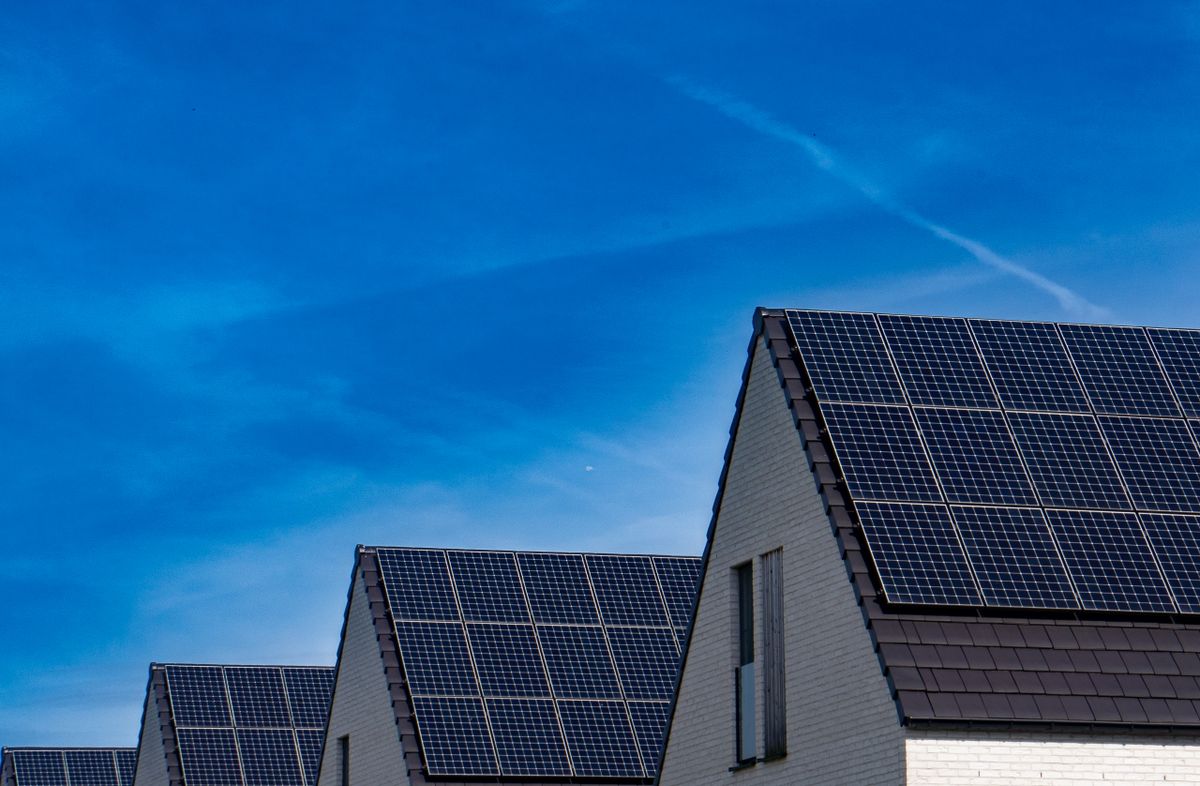
Rooftop solar combined with a home battery system provides real insurance against rising electricity prices and grid instability. The economics have improved dramatically — in many states, solar pays for itself within 5–8 years.
For Businesses
Commercial solar and on-site battery storage lock in predictable energy costs and reduce exposure to grid price spikes. Many businesses are finding that energy independence is a competitive advantage.
For Communities
Advocating for faster solar deployment, grid modernization, and sensible permitting reform translates directly into lower energy costs and greater reliability for everyone.
Conclusion: Elon Musk's Energy Warning in Perspective
The Bottom Line
The Elon Musk energy warning breakdown ultimately tells a story that most energy experts agree with in its broad strokes, even if they debate the details.
Electricity demand is rising fast. The grid needs to evolve. Solar is the dominant solution. Storage is the key that makes it work. And the pace of transition needs to accelerate significantly to avoid serious problems.
Whether you're a fan of Musk or not, dismissing these concerns entirely would be a mistake. The underlying data supports the direction of his argument, even where the specific predictions and timelines deserve scrutiny.
The most important thing anyone can do with this information is to look at independent sources, evaluate the claims critically, and make informed decisions — whether that's about home energy, investments, or how you engage with energy policy in your community.